Comprehensive Electrical Safety & Education Resources: Essential Tips and Standards for Homeowners and Businesses
Electrical safety is a critical concern for both homeowners and businesses, as it directly impacts the well-being of individuals and the integrity of properties. This comprehensive guide aims to provide essential tips and standards for electrical safety, ensuring that readers are well-informed about best practices and regulations. Understanding electrical systems and safety measures can prevent accidents and costly repairs, making it vital for everyone to be educated on this topic. In this article, we will explore key electrical safety tips for homeowners, commercial electrical safety standards, best practices for wiring, and how to ensure electrical panel safety. Additionally, we will discuss how businesses can prevent electrical hazards and maintain compliance with safety regulations.
What Are the Most Important Electrical Safety Tips for Homeowners?
- Stop Using Outlets with Burning Smells or Sparks: This indicates a potential electrical fire risk and requires urgent professional attention.
- Address Dead Outlets or Switches: These may indicate a tripped GFCI, loose wiring, or a circuit issue that needs to be fixed.
- Listen for Buzzing or Humming Sounds: Electrical components shouldn’t make noise; buzzing can indicate loose connections or overloaded circuits.
- Don’t Ignore Small Problems: Electrical issues rarely fix themselves; what starts as a flickering light can become a serious hazard.
- Call a Licensed Electrician for Complex Issues: DIY electrical work can create fire hazards and violate building codes.
- Turn Off the Breaker if You Smell Burning: If you smell burning or see smoke, turn off the breaker immediately and call an electrician.
For any electrical problems, it’s best to contact a professional for diagnosis and repair.
Moore Electric Inc. emphasizes the importance of hiring licensed electricians to ensure safety and compliance with local codes. With over 25 years of experience, they provide reliable electrical services to homeowners in New Hampshire, Massachusetts, and Maine.
How Can Homeowners Understand Their Electrical Systems and Wiring?
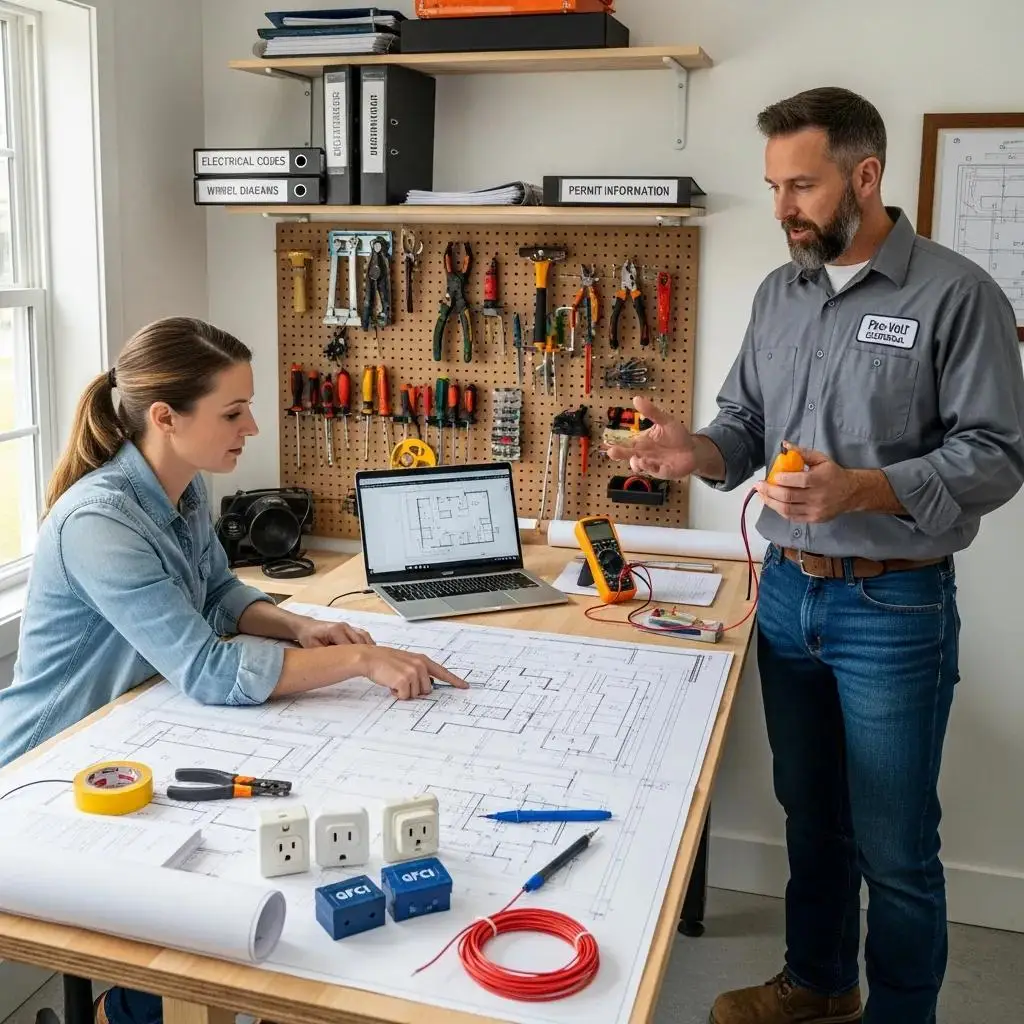
- Blueprint Review: Familiarize yourself with the electrical layout during the pre-construction phase.
- Load Calculations: Understand the calculations that determine the electrical needs for current and future use.
- Rough-In Process: Learn about the installation of wiring, boxes, and circuits before drywall is put up, ensuring everything is up to code.
- Lighting Design: Get guidance on strategic fixture placement to avoid dark corners and enhance ambiance.
- Low-Voltage Systems: Understand the planning for data, cable TV, and security system wiring.
- Final Walkthrough: Participate in the final walkthrough to ask questions and clarify any uncertainties about the installed systems.
Additionally, working with a master electrician who has extensive experience can provide valuable insights and ensure that the electrical system is future-proofed for technologies like EV chargers and smart home systems.
Which Essential Electrical Safety Devices Protect Your Home?
- GFCI Outlets: Ground Fault Circuit Interrupter outlets are crucial in areas where water is present, such as kitchens and bathrooms, to prevent electrical shocks.
- AFCI Devices: Arc Fault Circuit Interrupters detect arcing conditions that can lead to electrical fires, providing an additional layer of safety.
- Smoke Detectors: These devices alert homeowners to smoke and potential fires, allowing for timely evacuation and response.
- Surge Protectors: Protect sensitive electronics from voltage spikes caused by lightning or power surges, preventing damage to appliances and devices.
Investing in these devices can significantly enhance the safety of your home and reduce the risk of electrical hazards.
How Do Commercial Electrical Safety Standards Protect Businesses?
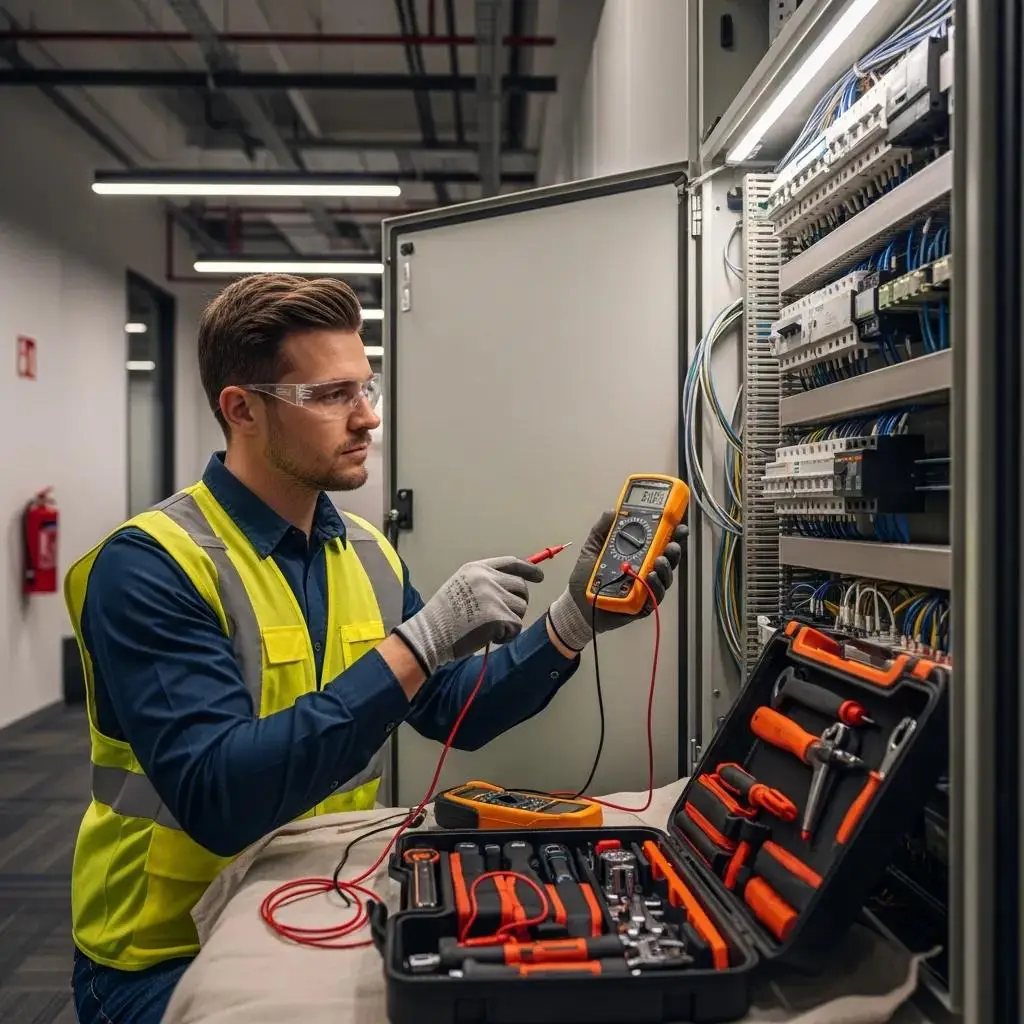
Commercial electrical safety standards are designed to protect businesses from electrical hazards and ensure a safe working environment. These standards include regulations set forth by organizations such as the National Electrical Code (NEC) and OSHA.
- Dedicated Appliance Circuits: Ensuring that specific appliances have their own circuits prevents overloads and potential fire hazards.
- GFCI Outlets: Installation of Ground Fault Circuit Interrupter outlets, especially near sinks in kitchens and bathrooms, is essential for safety.
- Proper Wiring and Circuit Installation: All wiring, boxes, and circuits must be installed to code before drywall to ensure compliance and safety.
- Load Calculations: Conducting load calculations helps support current and future electrical needs, preventing circuit overloads.
- Inspection: Rough-in work must be inspected before walls are closed up to ensure compliance with code.
- Final Testing and Labeling: Devices, fixtures, and covers must be installed after painting, followed by final testing and labeling to ensure functionality.
These requirements help ensure safety and functionality in electrical installations.
It is crucial for businesses to contact a licensed electrician to ensure compliance with these standards. Moore Electric Inc. specializes in commercial electrical safety, providing expert services to help businesses meet regulatory requirements.
What Are the Key Requirements of the National Electrical Code for Businesses?
- Dedicated Appliance Circuits: Specific appliances must have their own circuits to prevent overloads.
- GFCI Outlets: Required in areas where water is present to prevent electrical shocks.
- Proper Wiring and Circuit Installation: All wiring must be installed to code, ensuring safety and compliance.
- Load Calculations: Essential for determining the electrical needs of the business.
- Inspection: Rough-in work must be inspected to ensure compliance before closing walls.
- Final Testing and Labeling: Ensures that all devices are functioning correctly and are properly labeled.
These requirements are vital for maintaining a safe working environment and preventing electrical hazards.
How Does OSHA Regulate Workplace Electrical Safety?
- General Duty Clause: Employers must provide a workplace free from recognized hazards, including electrical risks.
- Electrical Safety-Related Work Practices: Guidelines for safe work practices when working with or near electrical equipment.
- Training Requirements: Employers must provide training to employees on electrical safety and hazard recognition.
- Personal Protective Equipment (PPE): Requirements for using appropriate PPE when working with electrical systems.
By adhering to OSHA regulations, businesses can create a safer work environment and reduce the risk of electrical accidents.
What Are Best Practices for Home Electrical Wiring to Prevent Hazards?
- Use Proper Wiring: Ensure all wiring, boxes, and circuits are installed to code, with proper wire routing and labeling for easy access.
- Install GFCI and AFCI Devices: Use Ground Fault Circuit Interrupters (GFCI) and Arc Fault Circuit Interrupters (AFCI) in kitchens, bathrooms, and bedrooms to enhance safety.
- Regular Inspections: Schedule inspections to check for issues like tripped breakers, loose connections, or corrosion in the electrical panel.
- Address Problems Promptly: If you notice signs like burning smells, sparks, or buzzing sounds, stop using the affected outlet or switch and seek professional help immediately.
- Avoid Overloading Circuits: Be mindful of the load on circuits to prevent overheating and potential fire hazards.
- Future-Proofing: Consider pre-wiring for future needs such as EV chargers, solar panels, and smart home systems during new construction.
- Professional Installation: Hire a qualified electrician for all electrical work to ensure safety and compliance with local codes.
These practices help maintain a safe electrical system in your home.
How to Identify Signs of Outdated or Faulty Wiring and When to Rewire?
- Flickering or Dimming Lights: Indicates loose connections, overloaded circuits, or failing wiring.
- Frequently Tripping Breakers: Suggests circuit overload, short circuit, or a faulty breaker.
- Warm or Discolored Outlets: A fire hazard indicating overheating from poor connections or damaged wiring.
- Burning Smell or Sparks: Indicates a potential electrical fire risk; requires immediate professional attention.
- Dead Outlets or Switches: May indicate a tripped GFCI, loose wiring, or a circuit issue.
- Buzzing or Humming Sounds: Points to loose connections, overloaded circuits, or failing devices.
You should consider rewiring if you notice these signs, especially if they are persistent or if your home is older and may not meet modern electrical demands.
What Are Safe Wiring Practices for Renovations and New Construction?
- Planning: Review plans, discuss outlet and lighting placement, and identify any necessary panel or wiring upgrades before starting work.
- Rough-In: Install all wiring, boxes, and circuits to code before drywall is put up, ensuring proper wire routing and labeling for future access.
- Inspection: Schedule and pass rough-in inspections before moving on to the next phase of construction.
- Finish Work: Install devices, fixtures, and covers after painting, ensuring everything is labeled and tested for compliance.
- Future-Proofing: Pre-wire for EV chargers, solar panels, and smart home systems to accommodate future needs.
- Clear Communication: Maintain open lines of communication with contractors and clients throughout the process to avoid surprises.
These practices help ensure safety, compliance with codes, and readiness for future electrical needs.
How Can You Ensure Electrical Panel Safety and When Is an Upgrade Needed?
Ensuring electrical panel safety is crucial for the overall safety of your home. Here are some key components and functions of an electrical panel:
- Service Entrance: Properly sized for underground or overhead connections.
- Load Calculations: To support current and future electrical needs.
- Wiring and Circuits: Installed to code, with proper routing and labeling for easy access.
- Final Trim & Finish: Installation of devices, fixtures, and covers, along with panel labeling.
- Future-Ready Features: Pre-wired for EV chargers, solar panels, and smart home integration.
What Are the Signs Indicating the Need for an Electrical Panel Upgrade?
The signs indicating the need for an electrical panel upgrade include:
- Frequent tripping of circuit breakers: This suggests that the panel is overloaded and unable to handle the electrical load.
- Flickering or dimming lights: This can occur when appliances are turned on, indicating that the panel may not be providing sufficient power.
- The electrical panel feels warm or makes buzzing sounds: These are signs of potential overheating or electrical issues that need immediate attention.
- Reliance on power strips throughout the home: This indicates that there may not be enough outlets to accommodate your electrical needs.
- Living in an older home: Older homes may require rewiring and panel upgrades to meet modern electrical demands.
- Planning to add an EV charger or modern HVAC system: These often require a 200-amp service, indicating the need for an upgrade.
Understanding the necessity of these upgrades is further supported by research highlighting the challenges of current electrical service panel capacities.
Residential Electrical Panel Upgrade Requirements
One significant barrier to increasing the service capacity for LADWP customers in order to facilitate this transition is the rated capacity of their electrical service panels. These are pieces of customer owned hardware that function as the interface between the utility distribution network and the building’s internal energy
Service Panel Upgrade Needs for Future Residential Electrification, ED Fournier, 2023
How Can Businesses Prevent Electrical Hazards and Maintain Compliance?
- Hiring Licensed Electricians: Always engage licensed professionals for electrical work to ensure compliance with safety codes and regulations.
- Regular Inspections: Schedule routine inspections of electrical systems to identify and address potential issues before they become hazards.
- Using Code-Compliant Equipment: Ensure all electrical installations, such as GFCI outlets in kitchens and bathrooms, meet local building codes.
- Clear Communication: Maintain open lines of communication with electricians to discuss any electrical concerns or renovations early in the planning process.
- Proper Maintenance: Regularly test and maintain electrical systems, including circuit breakers and wiring, to prevent overloads and failures.
- Emergency Preparedness: Have a plan in place for addressing urgent electrical issues, such as sparking outlets or burning smells, and prioritize calling a licensed electrician in such cases.
These practices help mitigate risks and ensure a safe working environment.
What Are Common Electrical Hazards in Commercial Settings and How to Prevent Them?
- Flickering or Dimming Lights: This may indicate loose connections, overloaded circuits, or failing wiring.
- Frequently Tripping Breakers: A sign of circuit overload, short circuit, or a faulty breaker.
- Warm or Discolored Outlets: Indicates overheating from poor connections, damaged wiring, or overloaded circuits, posing a fire hazard.
- Burning Smell or Sparks: Indicates a potential electrical fire risk and requires immediate professional attention.
- Dead Outlets or Switches: May be due to a tripped GFCI, loose wiring, or a circuit issue.
- Buzzing or Humming Sounds: Often points to loose connections, overloaded circuits, or failing devices.
To prevent these hazards, it is essential to:
- Schedule regular inspections and maintenance with a licensed electrician.
- Address any signs of electrical issues promptly to avoid escalation.
- Ensure proper installation of GFCI and AFCI devices in required areas.
- Avoid overloading circuits and using damaged wiring or outlets.
- Follow all electrical codes and regulations during installations and repairs.
For any electrical issues, it is recommended to contact a licensed electrician for diagnosis and repair.
What Are Best Practices for Commercial Electrical Inspections and Maintenance?
Best practices for commercial electrical inspections and maintenance include:
- Clear Communication: Maintain open lines of communication with contractors and clients to ensure everyone is informed about the electrical work and any necessary updates.
- Planning: Review plans thoroughly to discuss outlet and lighting placement, and identify any required panel or wiring upgrades before starting work.
- Rough-In Inspections: Conduct inspections of rough-in work before closing up walls to ensure compliance with codes.
- Final Inspections: After completing the installation of outlets, switches, and fixtures, perform a final inspection to confirm everything is code-compliant.
- Use of Qualified Professionals: Engage a licensed electrician with significant experience to ensure quality work and adherence to safety standards.
- Permit Management: Handle the permit process and coordinate inspections to streamline the project timeline.
- Testing and Verification: After repairs or installations, test all systems to ensure they work safely and correctly.
- Future-Proofing: Consider future electrical needs, such as EV chargers and smart home systems, during the planning phase.
- Documentation: Keep detailed records of inspections, repairs, and maintenance for future reference and compliance.
These practices help ensure safety, compliance, and efficiency in commercial electrical work.