EV Charger Installation: What NH Homeowners Need to Know
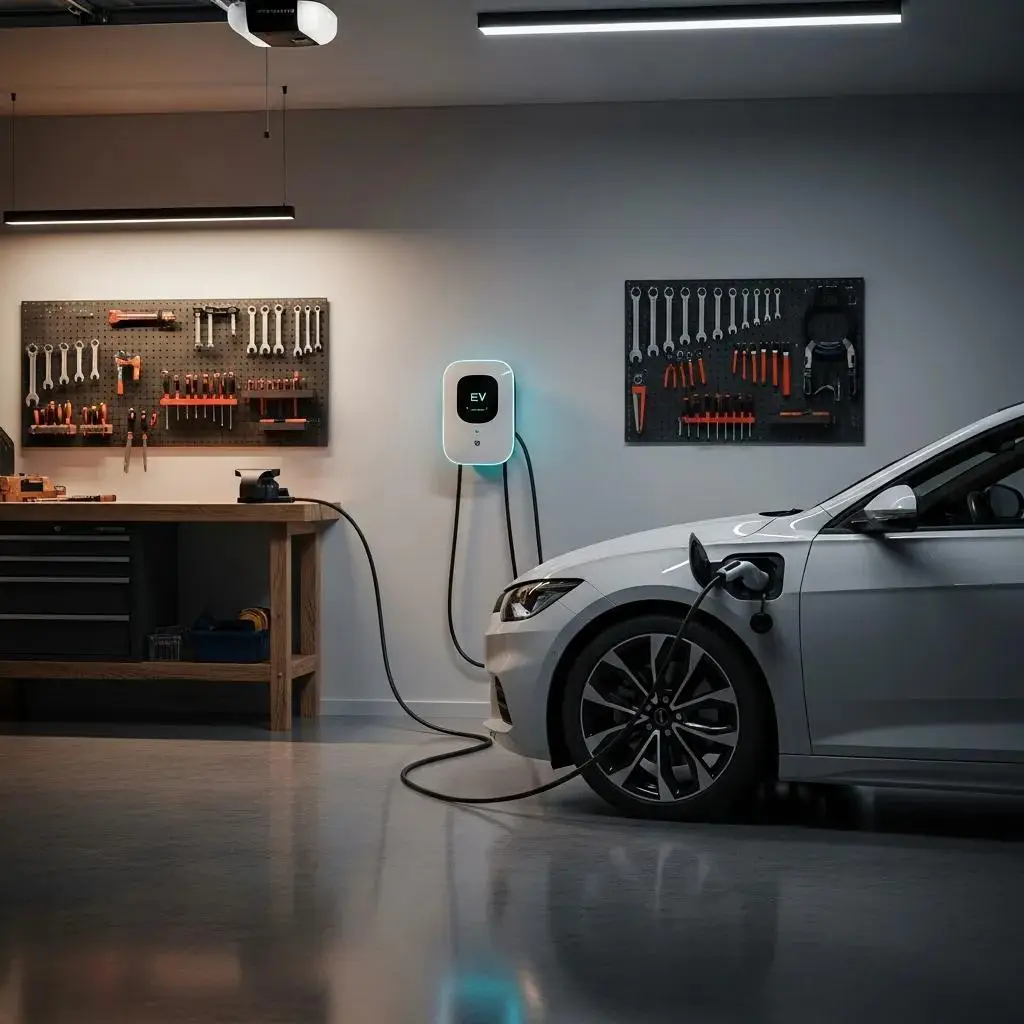
As electric vehicles (EVs) gain popularity, homeowners in New Hampshire are increasingly considering the installation of EV chargers. Understanding the installation process, requirements, and costs associated with EV chargers is essential for making informed decisions. This article will provide a comprehensive overview of what NH homeowners need to know about EV charger installation, including the necessary permits, costs, and the benefits of using Level 2 chargers. By addressing these key areas, homeowners can ensure a smooth installation process and enjoy the advantages of having a home charging station.
Indeed, the convenience of home charging is a significant factor for many EV owners, particularly those in single-family residences.
EV Charger Installation for Single-Family Homes
Most early adopters of EVs live in single-family homes with a garage or driveway where an outlet is already available or a charger can be easily installed, allowing them to charge
Electric vehicle charging at multifamily homes in the United States: barriers, solutions, and selected equity considerations, 2024
Installation Requirements
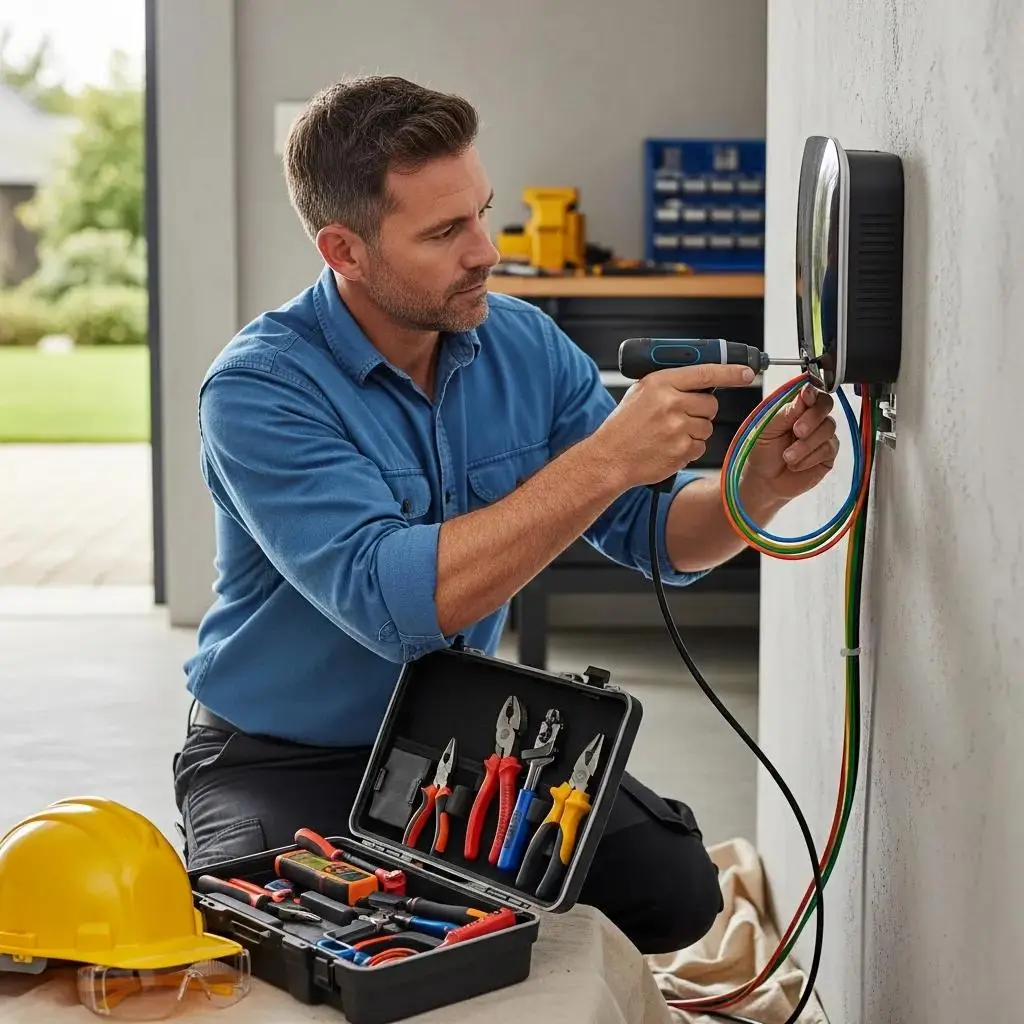
Installing an EV charger in New Hampshire involves several important requirements that homeowners must adhere to. First and foremost, obtaining the necessary permits is crucial. Homeowners are typically required to secure an electrical permit from their local municipality before installation can begin. This ensures that the installation complies with local building codes and safety standards.
Additionally, the installation must meet the National Electrical Code (NEC) requirements, which govern the safe installation of electrical wiring and equipment. Compliance with these codes helps prevent electrical hazards and ensures the safe operation of the charging station. Homeowners should also consider the location of the charger, ensuring it is easily accessible and meets any zoning regulations.
In summary, the key installation requirements for EV chargers in New Hampshire include:
- Permits: Obtain an electrical permit from the local municipality.
- Code Compliance: Adhere to the National Electrical Code (NEC) standards.
- Safety Standards: Ensure the installation meets local safety regulations.
Cost of Installation
The cost of installing an EV charger can vary significantly based on several factors, including the type of charger, installation complexity, and any necessary electrical upgrades. On average, homeowners can expect to pay between $1,000 and $2,500 for a Level 2 charger installation. This price typically includes the cost of the charger itself, labor, and any required electrical work.
Several factors can influence the overall cost:
- Charger Type: Level 2 chargers are generally more expensive than Level 1 chargers but offer faster charging times.
- Electrical Upgrades: If the home’s electrical panel requires upgrades to accommodate the charger, this can increase installation costs.
- Labor Costs: Hiring a licensed electrician is essential for safe installation, and labor costs can vary based on location and complexity.
Homeowners may also be eligible for rebates or incentives that can help offset installation costs. It’s advisable to check with local utility companies and government programs for available options.
| Installation Aspect | Average Cost Range |
|---|---|
| Level 2 Charger | $500 – $1,500 +/- |
| Electrical Upgrades | $500 – $1,000 +/- |
| Labor | $300 – $1,500 +/- |
In conclusion, understanding the costs associated with EV charger installation can help homeowners budget effectively and explore potential financial assistance options.
Benefits of Level 2 Chargers
Level 2 chargers offer several advantages over standard Level 1 chargers, making them a popular choice for homeowners. One of the primary benefits is the significantly faster charging time. While a Level 1 charger may take up to 12 hours to fully charge an EV, a Level 2 charger can reduce this time to just 4-8 hours, allowing for more convenient overnight charging.
Another advantage of Level 2 chargers is their ability to increase the overall value of a home. As the demand for electric vehicles continues to rise, having a dedicated charging station can make a property more attractive to potential buyers. This feature not only enhances the home’s appeal but also positions it as a forward-thinking investment in sustainable living.
Lastly, using Level 2 chargers contributes to environmental sustainability. By facilitating the use of electric vehicles, homeowners can reduce their carbon footprint and support the transition to renewable energy sources. This aligns with broader efforts to promote sustainable living and combat climate change.
In summary, the benefits of Level 2 chargers include:
- Faster Charging Times: Reduced charging duration compared to Level 1 chargers.
- Increased Home Value: Enhances property appeal for future buyers.
- Environmental Benefits: Supports the use of renewable energy and reduces carbon emissions.
By understanding these benefits, homeowners can make informed decisions about their EV charging needs and contribute to a more sustainable future.
For other electrical needs, consider electrical repairs from certified professionals.
Additionally, if you are building a new home, consider new construction electrical services to ensure a safe and efficient electrical system.
For businesses, commercial electrical services are also available to meet your specific needs.