Importance of Safe Generator Installation
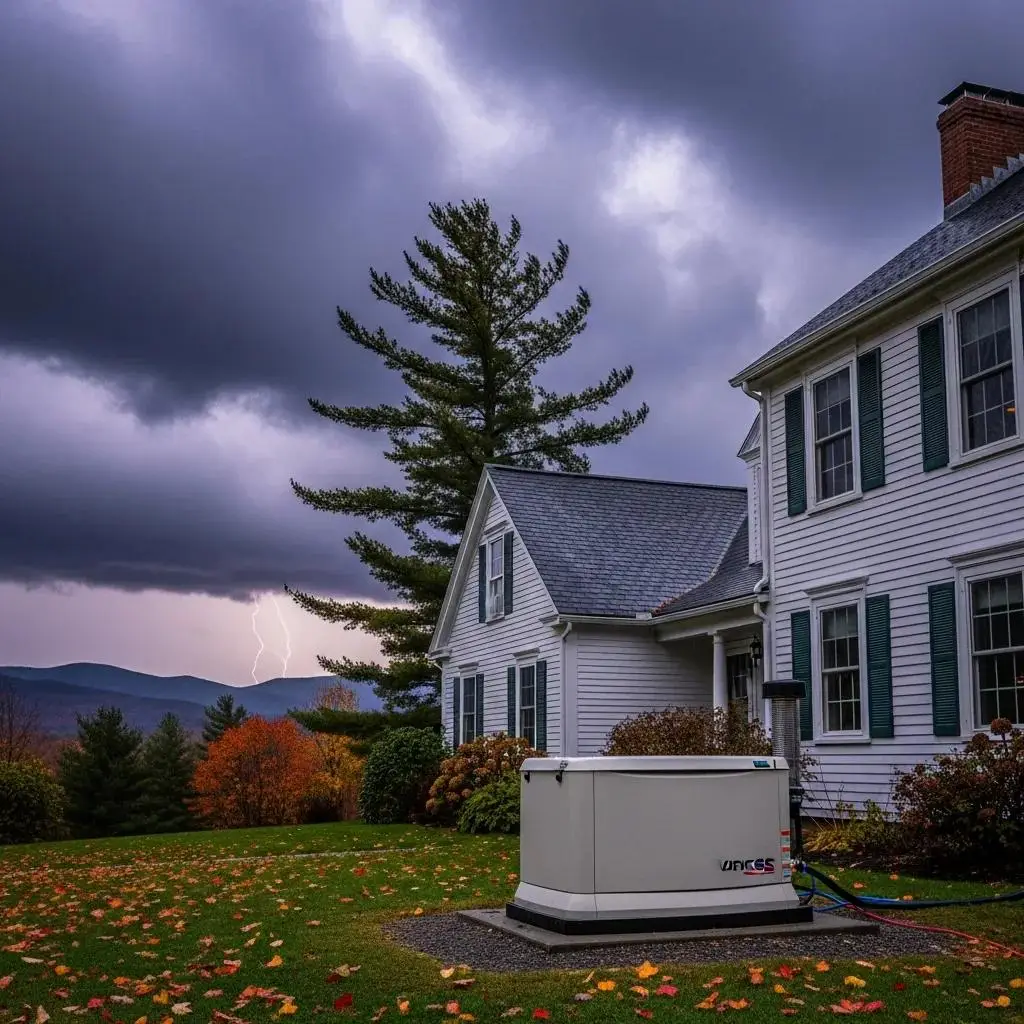
Installing a generator safely is crucial for ensuring the safety of your home and family, especially during storm seasons. A poorly installed generator can pose serious risks, including carbon monoxide poisoning, electrical fires, and equipment damage.
To mitigate these risks, it's essential to follow manufacturer guidelines and local codes. For instance, installing the generator at a safe distance from windows and doors can prevent harmful exhaust fumes from entering your home. Additionally, hiring a licensed electrician for the installation can ensure that all safety protocols are adhered to, providing peace of mind during power outages.
Choosing the Right Generator for Your Needs
Selecting the appropriate generator depends on several factors, including your power requirements and the size of your home. Homeowners should assess their energy needs by identifying essential appliances that need to be powered during outages.
For example, a small portable generator may suffice for basic needs, while a standby generator is ideal for whole-house power. Consulting with a professional can help you determine the right size and type of generator that will meet your specific requirements, ensuring reliability when it matters most.
Maintenance Tips for Generators
Regular maintenance of your generator is essential to ensure its functionality and longevity. Just like any other appliance, generators require periodic checks and servicing to operate efficiently, especially before storm seasons.
This includes tasks such as changing the oil, checking the battery, and testing the generator under load. Keeping a maintenance log can also help track when services were performed, making it easier to stay on top of necessary upkeep and avoid unexpected failures during critical times.
Understanding Local Regulations for Generator Installation
Before installing a generator, it's vital to understand the local regulations and codes that govern such installations. Each state and municipality may have specific requirements regarding permits, installation practices, and safety standards.
In New Hampshire, for instance, homeowners must ensure their generator installations comply with the National Electrical Code and local amendments. Consulting with local authorities or a licensed electrician can help clarify these regulations, ensuring a compliant and safe installation process.