Standby Generator Installation Guide for NH Storm Season
As storm season approaches in New Hampshire, ensuring a reliable backup power solution becomes essential for homeowners and businesses alike. This guide provides a comprehensive overview of standby generator installation, focusing on the unique needs of the region. Readers will learn about the types of generators available, safety considerations, best practices for operation, and the benefits of having a standby generator during storms. With the right information, you can make informed decisions to protect your property and ensure continuous power supply during outages. This article will cover essential backup power solutions, safety measures, operational best practices, and the steps involved in professional installation.
Essential Backup Power Solutions
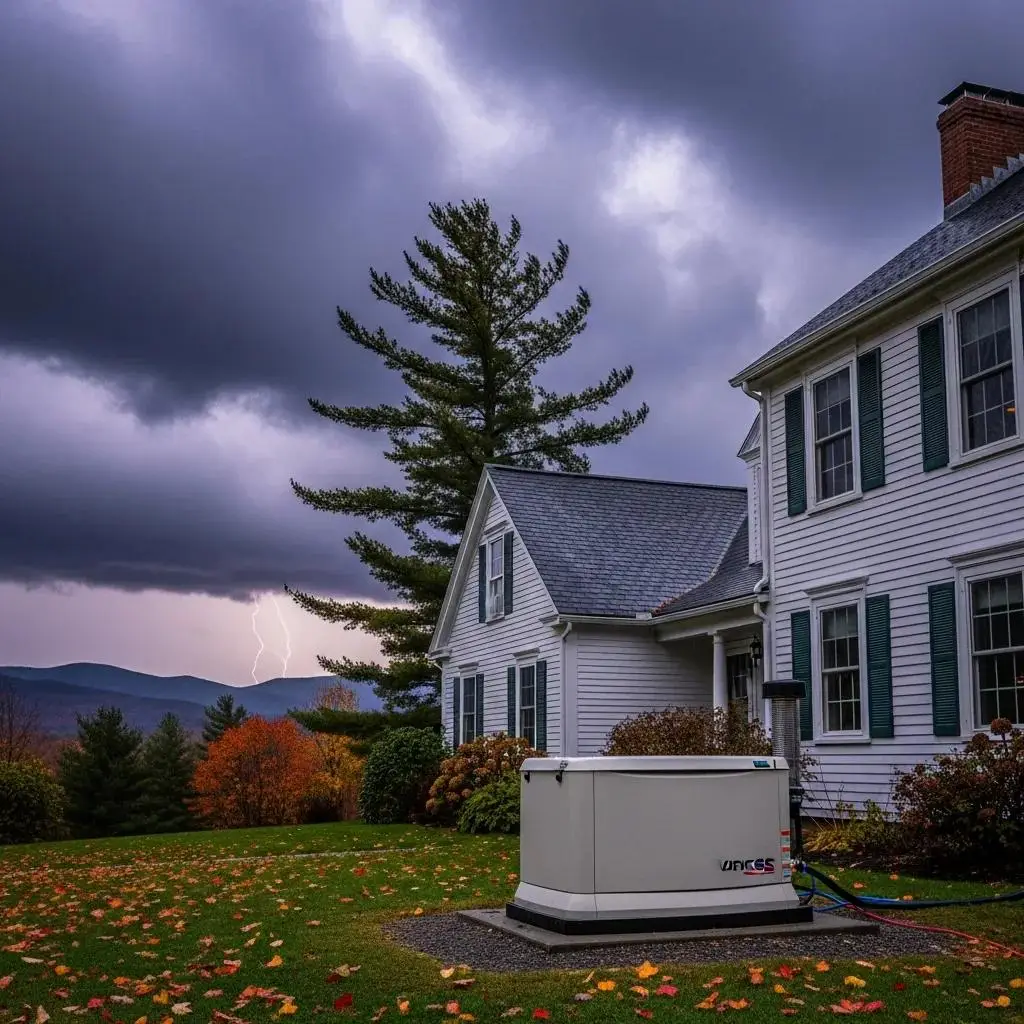
When preparing for storm season, understanding the different types of generators is crucial. Standby generators are permanently installed and automatically provide power during outages, making them a reliable choice for homeowners. In contrast, portable generators offer flexibility and can be moved as needed, but require manual setup and refueling.
Standby generators operate on various fuel types, including natural gas, propane, and diesel, ensuring that you have options based on availability and preference. Automatic transfer switches are essential components that allow standby generators to seamlessly take over power supply when the grid fails, ensuring your home remains powered without interruption.
Further research into backup power systems highlights specific considerations for natural gas units, particularly regarding their fuel reserve capabilities.
Natural Gas Backup Generators and Fuel Reserve Planning
or those units using natural gas, most backup power systems are limited to 24 h fuel reserves
Assessing the financial feasibility of utility-provided backup power during project site planning, 2006
Safety Considerations
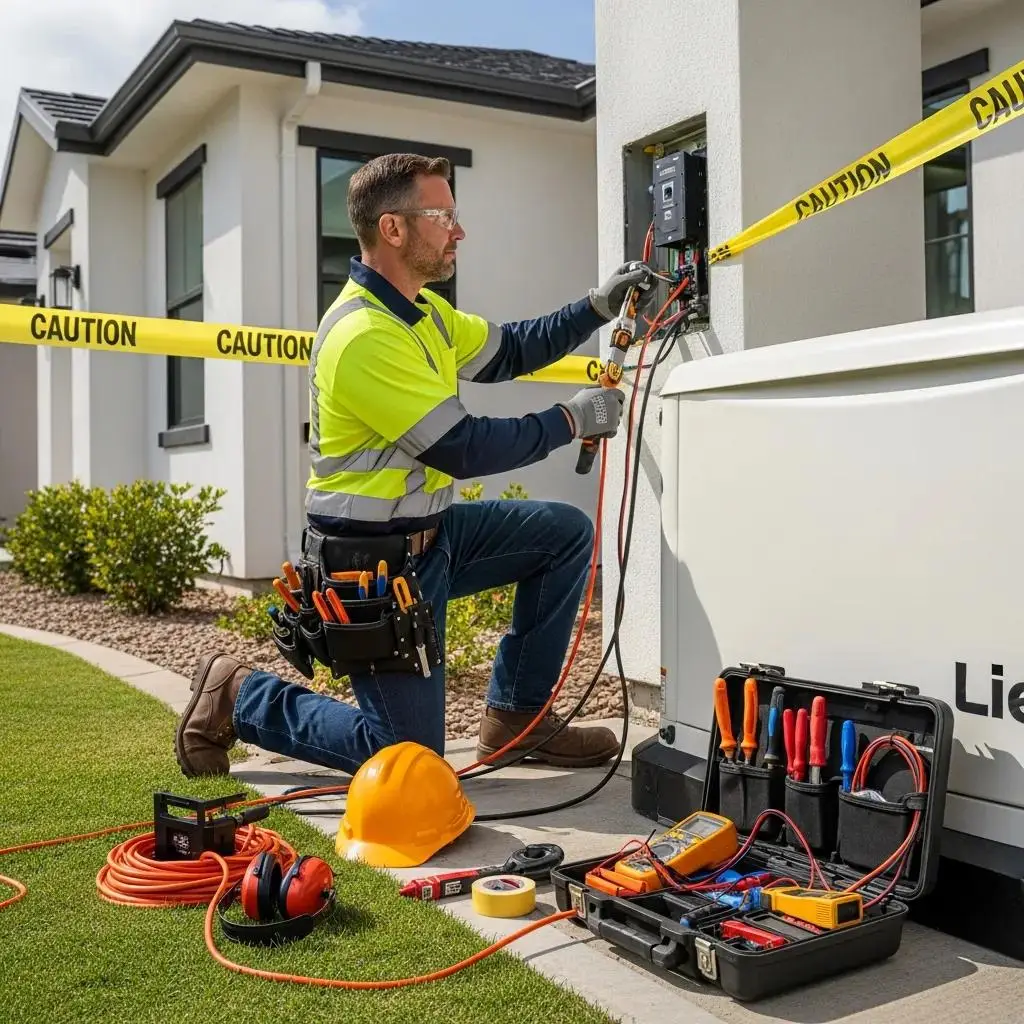
Safety is paramount when installing and operating generators. Here are key safety measures to consider:
- Licensed Installation: Always hire a licensed electrician for installation to ensure compliance with local codes and safety standards.
- Transfer Switch Requirement: A transfer switch is necessary to prevent backfeeding into the grid, which can pose serious risks to utility workers and your home.
- Permits and Inspections: Check local regulations for any required permits and inspections to ensure your installation meets safety standards.
By adhering to these safety considerations, you can significantly reduce the risks associated with generator use.
Best Practices for Effective Operation
To ensure your generator operates effectively during storm season, follow these best practices:
- Regular Maintenance Checks: Schedule routine maintenance to keep your generator in optimal condition, including oil changes and filter replacements.
- Proper Placement: Install your generator in a well-ventilated area away from windows and doors to prevent carbon monoxide buildup.
- Electrical Load Assessment: Understand your power needs and ensure your generator can handle the electrical load required during an outage.
For professional installation and maintenance, consider reaching out to Moore Electric Inc for a free estimate.
What Are the Key Benefits of Installing a Standby Generator in New Hampshire?
Installing a standby generator offers several key benefits, particularly during storm season:
- Reliability During Storms: Standby generators provide immediate power during outages, ensuring that essential appliances and systems remain operational.
- Cost Savings Over Time: While the initial investment may be significant, standby generators can save money in the long run by preventing food spoilage and reducing the need for hotel stays during extended outages.
- Increased Property Value: Homes equipped with standby generators often see an increase in property value, making them an attractive feature for potential buyers.
These benefits highlight the importance of having a standby generator as part of your storm preparedness plan.
How Does a Standby Generator Ensure Reliable Emergency Power?
Standby generators ensure reliable emergency power through several mechanisms. They are equipped with automatic detection systems that sense power outages and activate the generator within seconds. This automatic operation means that you do not have to manually start the generator during an emergency.
Additionally, standby generators connect directly to your home’s electrical system, allowing them to power essential circuits seamlessly. Their fuel efficiency also ensures that they can run for extended periods, providing peace of mind during prolonged outages.
Why Choose Generac Generators for NH Storm Preparedness?
Generac generators are a popular choice for storm preparedness in New Hampshire due to their reliability and advanced features. Here are some advantages:
- Automatic Operation: Generac generators automatically start when an outage is detected, providing immediate power without user intervention.
- Whole-Home Power Capability: These generators can power your entire home, ensuring that all essential systems remain operational during outages.
- Remote Monitoring Features: Many Generac models come with remote monitoring capabilities, allowing you to check the status of your generator from anywhere.
Choosing a Generac generator can enhance your storm preparedness strategy significantly.
Key Benefits of Standby Generator Installation in New Hampshire
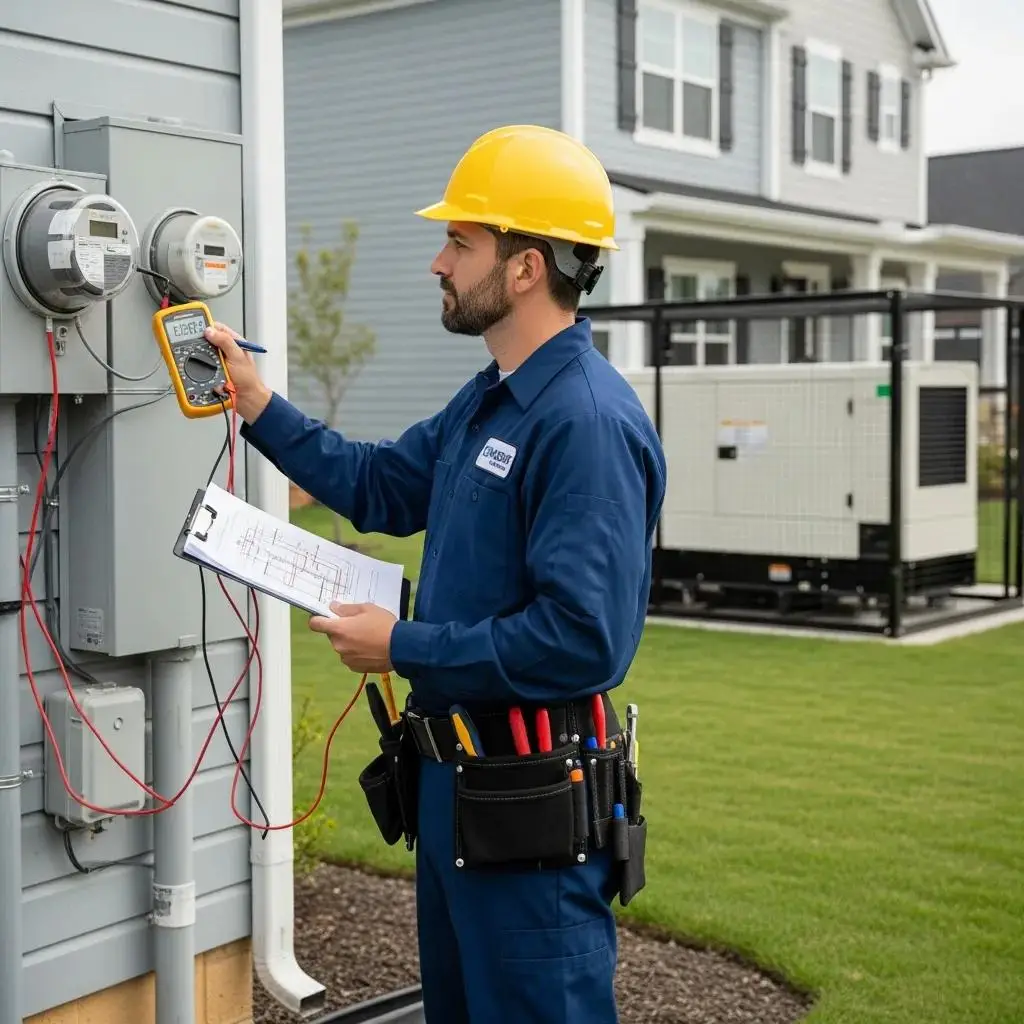
Determining the right generator size is crucial for effective storm preparedness. The size of the generator you need depends on several factors:
- Factors Affecting Generator Size: Consider the square footage of your property and the number of appliances you wish to power during an outage.
- Load Requirements Assessment: Calculate the total wattage of the devices you want to run simultaneously to ensure your generator can handle the load.
- Professional Assessment Recommendation: Consulting with a professional can help you accurately assess your needs and select the appropriate generator size.
What Factors Influence Generator Sizing for Residential and Commercial Properties?
Several factors influence generator sizing for both residential and commercial properties:
- Square Footage of Property: Larger properties typically require more power to support additional appliances and systems.
- Load Requirements: Assessing the wattage needs of essential devices is critical for determining the appropriate generator size.
- Fuel Type Considerations: Different fuel types may affect the efficiency and power output of the generator, influencing your choice.
Understanding these factors can help you make an informed decision when selecting a generator.
How to Calculate Power Needs for Effective Storm Season Backup?
Calculating your power needs is essential for effective storm season backup. Here are steps to follow:
- Identifying Critical Circuits: Determine which circuits are essential for your home or business during an outage.
- Calculation Methods for Sizing: Use a wattage calculator to estimate the total power requirements of your critical circuits.
- Professional Assessment Importance: Engaging a professional can provide a more accurate assessment and ensure that your generator meets your needs.
What Are the Steps Involved in Professional Generator Installation in Southern NH?
Professional generator installation involves several key steps:
- Electrical Load Assessment: A qualified technician will assess your electrical load to determine the appropriate generator size.
- Transfer Switch Installation: Installing a transfer switch is crucial for safe operation and compliance with regulations.
- Permit Pulling and Inspections: Ensure that all necessary permits are obtained and inspections are completed to meet local codes.
These steps are vital for ensuring a safe and efficient installation process.
What Permits and Regulations Must Be Considered for NH Generator Installation?
When installing a generator in New Hampshire, several permits and regulations must be considered:
- Permits Required: Check with local authorities to determine what permits are necessary for installation.
- Licensed Electrician Necessity: Hiring a licensed electrician is often required to ensure compliance with safety standards.
- Compliance with NEC: Adhering to the National Electrical Code (NEC) is essential for safe installation and operation.
How Does Moore Electric Inc Ensure Safe and Efficient Installation?
Moore Electric Inc prioritizes safety and efficiency in generator installation through:
- Expertise of Licensed Electricians: Our team consists of licensed electricians with extensive experience in generator installation.
- Coordination with Utility Providers: We work closely with utility providers to ensure compliance and safety during installation.
- Customer Communication During Installation: We maintain open communication with customers throughout the installation process to address any concerns.
This commitment to safety and efficiency sets Moore Electric Inc apart in the industry.
What Are the Typical Costs and Financing Options for Generator Installation in NH?
Understanding the costs associated with generator installation is crucial for budgeting. Here are some key considerations:
- Average Installation Costs: The cost of installing a standby generator in New Hampshire typically ranges from $6,000 to $15,000, depending on the size and complexity of the installation.
- Financing Solutions Available: Many companies offer financing options to help spread the cost of installation over time.
- Cost-Saving Benefits of Standby Generators: Investing in a standby generator can lead to long-term savings by preventing losses during power outages.
What Is the Average Home Generator Installation Cost in New Hampshire?
The average cost of home generator installation in New Hampshire varies based on several factors:
- Factors Affecting Installation Costs: The size of the generator, installation complexity, and any additional features can influence the overall cost.
- Average Price Ranges: Homeowners can expect to pay between $6,000 and $15,000 for a complete installation, including the generator and necessary components.
- Long-Term Savings Considerations: While the upfront cost may be significant, the long-term savings from preventing outages can justify the investment.
Understanding these costs can help homeowners make informed decisions.
Which Financing Solutions Are Available for NH Backup Power Systems?
Several financing solutions are available for those looking to invest in backup power systems:
- Types of Financing Available: Options may include personal loans, home equity lines of credit, or financing through the installation company.
- Benefits of Financing Options: Financing can make it easier to manage the upfront costs associated with generator installation.
- How to Apply for Financing: Interested homeowners should inquire with their installation provider about available financing options and application processes.
For more extensive electrical needs, commercial electrical services can provide tailored solutions.
Contact Moore Electric Inc today to learn more about how we can help you prepare for storm season with reliable backup power solutions.