
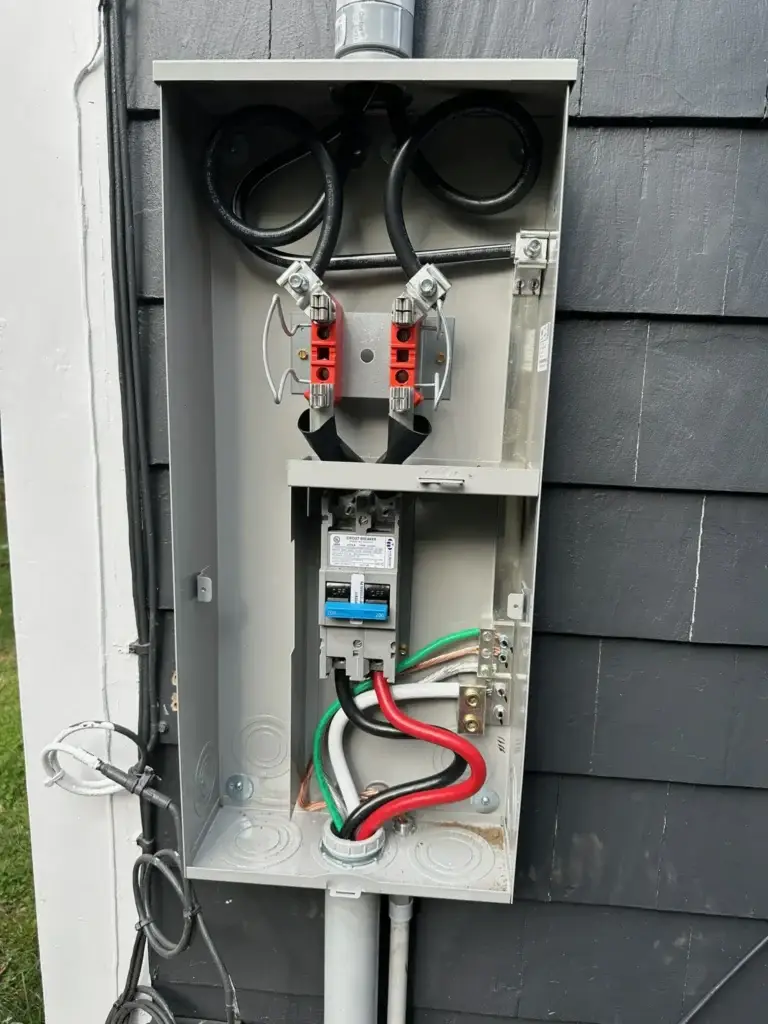
Determining the Right Electrical Panel Size for EV Charging
Choosing the appropriate electrical panel size for your EV charger ensures optimal performance and safety. Learn the key factors for effective installation.
Choosing the appropriate electrical panel size for your EV charger ensures optimal performance and safety. Learn the key factors for effective installation.
Before selecting an electrical panel size for your EV charger, it's essential to understand your home's current electrical capacity. This involves assessing your existing panel's amperage and evaluating your household's overall energy consumption. Overloading your current system can lead to tripped breakers, potential fire hazards, and damage to your electrical infrastructure.
A typical 100-amp service might be sufficient for some homes, but the addition of an EV charger often necessitates an upgrade. Factors like the number of high-draw appliances (e.g., electric oven, HVAC system, hot tub) and the anticipated charging speed of your electric vehicle will influence the required panel size. Consulting with a qualified electrician is crucial to accurately assess these needs.
Several key factors directly impact the required electrical panel size for your EV charger installation. The most significant consideration is the Level 2 charger's amperage rating, which can range from 16 amps to 48 amps or more. A higher amperage charger will draw more power, demanding a larger capacity panel and potentially a dedicated circuit breaker.
Beyond the charger itself, your home's existing electrical load is paramount. Electricians use a load calculation method to determine the total power demand of your residence. This calculation includes all major appliances, lighting, and any other significant electrical devices. The goal is to ensure that even with the EV charger operating at its maximum capacity, your panel can handle the combined load safely and efficiently.
Installing an EV charger with an appropriately sized electrical panel offers numerous benefits, primarily centered around safety and performance. A correctly sized panel prevents electrical overloads, significantly reducing the risk of circuit breaker trips, overheating wires, and potential electrical fires. This ensures a reliable and safe charging experience for your electric vehicle.
Furthermore, a properly sized panel optimizes the charging speed of your EV. If your panel is undersized, you might be limited to slower charging speeds or experience intermittent charging interruptions. With the right panel capacity, you can leverage the full charging potential of your EV charger, ensuring your vehicle is ready when you need it and minimizing downtime.
An electrical panel upgrade is often a necessary step when installing an EV charger, especially in older homes or those with lower-amperage service. If your current panel is rated at 100 amps or less, and you have a significant number of high-demand appliances, it's highly probable that an upgrade will be required to accommodate the additional load of an EV charger.
Signs that your panel may need an upgrade include frequent circuit breaker trips, flickering lights when appliances turn on, or a panel that appears outdated or shows signs of corrosion. A professional electrician from Moore Electric Inc. can perform a thorough assessment of your existing electrical system and recommend the most suitable panel upgrade to ensure safe and efficient EV charging for your home.