By Brenden Moore, Moore Electric Inc.
As electric vehicle (EV) adoption rapidly increases, many homeowners find themselves asking if their existing electrical panels can accommodate the demands of EV chargers. Understanding the compatibility of your electrical panel with an EV charger is crucial to ensure safe and efficient charging. This guide will explore the key factors that determine electrical panel capacity, how to evaluate your panel, and the necessary steps to follow for installation. You’ll learn how to assess your current electrical system and determine if an upgrade is necessary to safely support the power needs of an EV charger.
In this article, we’ll cover the following essential areas: assessing if your panel can handle an EV charger, the specific electrical panel requirements for EVs, and identifying when an upgrade is needed. We’ll also discuss circuit breaker sizing and the impact of the National Electrical Code (NEC) on your charging setup.
How Do I Determine If My Electrical Panel Can Handle an EV Charger?
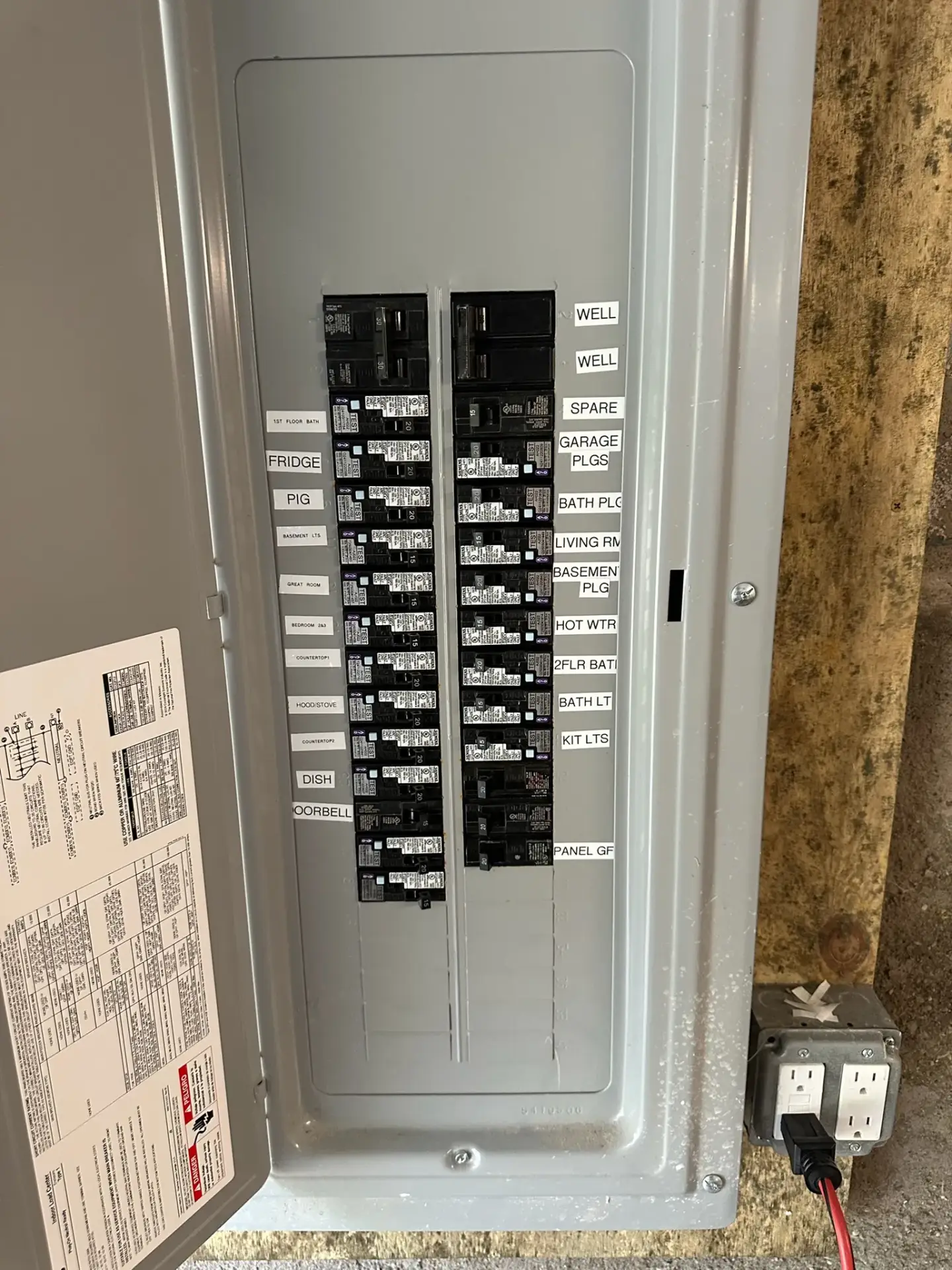
Determining whether your electrical panel is capable of supporting an EV charger involves several steps. First, you must check the current size of your electrical panel. Most residential panels range from 100 to 200 amps, which affects how many circuits can be run simultaneously. Conducting load calculations will help identify the already consumed amperage and will give an estimate of the remaining capacity for EV charging.
It’s advisable to consult with licensed electricians who can offer insight into your electrical system’s capacity and recommend necessary upgrades based on your EV charging needs. This holistic approach ensures not only that your current panel can support a charger but also that it does so safely.
Increased reliance on high-power charging systems can create significant strain on household infrastructure, as evidenced by research on grid and home demand.
Impact of Home EV Charging on Residential Electrical Demand
Clustering effects in vehicle adoption at the local level might lead to high PEV concentrations even if overall adoption remains low, significantly increasing peak demand and requiring upgrades to the electricity distribution infrastructure. This effect is exacerbated when adopting higher in-home power charging. Impact of uncoordinated plug-in electric vehicle charging on residential power demand, 2018
What Are the Home Electrical Panel Requirements for EV Chargers?
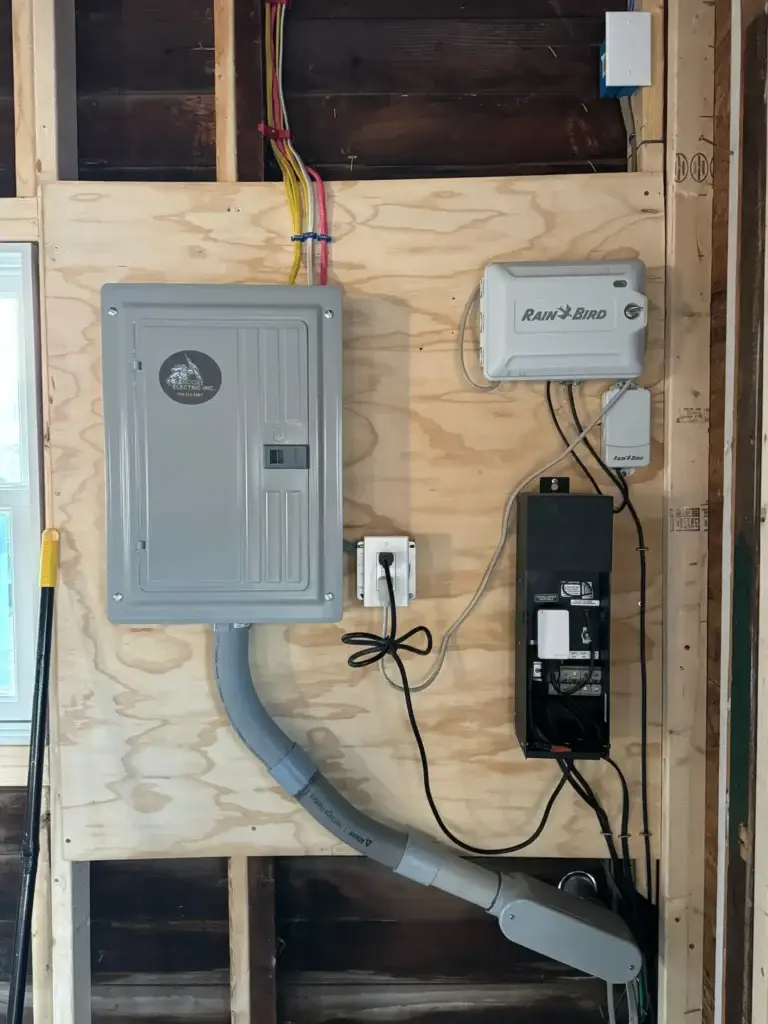
Understanding the requirements for your home’s electrical panel when installing an EV charger is critical for compliance and safety. Key considerations include:
Amperage Ratings: Confirm that your panel can handle the amperage required for the charger. Level 1 chargers generally need around 12-16 amps (not 15-20), while Level 2 chargers often require 30 amps or more.
Dedicated Circuit Requirements: EV chargers must be installed on a dedicated circuit to avoid overloading other appliances.
Load Calculations: It’s necessary to calculate the total amperage load in your home to ensure there’s enough capacity left for the EV charger.
These requirements help streamline the installation process and ensure that all safety standards are met.
How to Assess EV Charger Amperage Needs and Panel Capacity
Assessing the amperage needs for an EV charger involves a systematic approach. Start by identifying your home’s total panel capacity, and compare this against the amperage requirements of the charger you plan to install. Steps to effectively evaluate include:
Identify Panel Capacity: Check the main breaker to find out the total capacity of your panel.
Understand EV Charger Amperage Requirements: Different chargers have varying needs based on their specifications and the charging speed they provide.
Calculate Total Home Power Demand: Determine what devices and appliances will be running simultaneously to gauge the available capacity for the EV charger.
This comprehensive assessment ensures that your electrical infrastructure is ready for the addition of an EV charger.
What Circuit Breaker Size Is Required for EV Charger Installation?
When installing an EV charger, selecting the appropriate circuit breaker size is crucial to ensure safety and compliance with the NEC guidelines. Different types of EV chargers have specific needs:
Level 1 Chargers: Typically require a 15 amp circuit breaker, ideal for slower charging overnight.
Level 2 Chargers: Require a 40 amp breaker for quicker charging, necessitating a dedicated circuit.
Hardwired High-Output Chargers: May require breakers rated for 60 amps or more, depending on the charger’s specifications.
Using the right circuit breaker protects your system from overloads and potential hazards during operation.
How Are Circuit Breaker Amperage Ratings Determined for EV Chargers?
Amperage ratings for circuit breakers must align with the expected load of the EV charger. To properly size a circuit breaker, several factors must be considered:
Reviewing Load Demands: Identify the maximum load the EV charger will draw during operation.
Adhering to NEC Guidelines: The National Electrical Code offers guidance on how to determine appropriate breaker sizes based on the charger’s specifications and installation type.
Calculating Amperage Needs: For safety, circuit breakers are typically sized at 125% of the continuous load to prevent overheating.
This process ensures that electrical systems remain within safe operational limits while accommodating charging equipment.
What Are the Safety and NEC Guidelines for Breaker Sizing?
Adhering to safety standards and NEC guidelines is essential when sizing circuit breakers for EV chargers. Compliance helps prevent electrical hazards and enhances the safety of your installation. Key considerations include:
NEC Code Requirements: The NEC provides strict guidelines on sizing, installation, and operation of electrical systems to prevent fire and electrical failures.
Safety Standards for Installations: Utilizing breakers that meet or exceed NEC recommendations ensures that your charger operates without risk.
Breaker Sizing Protocols: Following prescribed sizing protocols helps maintain optimal function and protects the home’s electrical system.
By understanding these guidelines, you can confidently assist in planning a safe and compliant EV charging installation.
When and Why Should I Upgrade My Electrical Panel for an EV Charger?
Upgrading your electrical panel may be necessary if it doesn’t meet the requirements for charging an EV. Common signs that an upgrade is warranted include:
Signs of Insufficient Capacity: If frequent breaker trips occur, this indicates your panel can’t handle the additional load.
Importance of Modern Standards: New EV charger technologies may have higher amperage requirements than older panels can support.
Benefits of Upgrading: Installing a new panel can enhance your home’s overall capacity, allowing for future upgrades and improving electrical reliability.
Understanding these indicators will guide your decision on whether an electrical panel upgrade is necessary for EV charging solutions.
What Signs Indicate the Need for an Electrical Panel Upgrade?
Several signs may indicate that your electrical panel requires an upgrade for effective EV charger installation. Key indicators include:
Frequent Breaker Trips: If breakers trip often, it indicates an overloaded circuit, hinting at insufficient panel capacity.
Flickering Lights: This can signal overloads resulting from inadequate power availability to handle all home devices.
Old Wiring Issues: Older panels may not meet contemporary safety standards and can pose risks when paired with modern electrical demands.
Recognizing these signs early can prevent safety issues and prepare your home for future electrical needs.
What Is the Electrical Panel Upgrade Process for EV Charging Compliance?
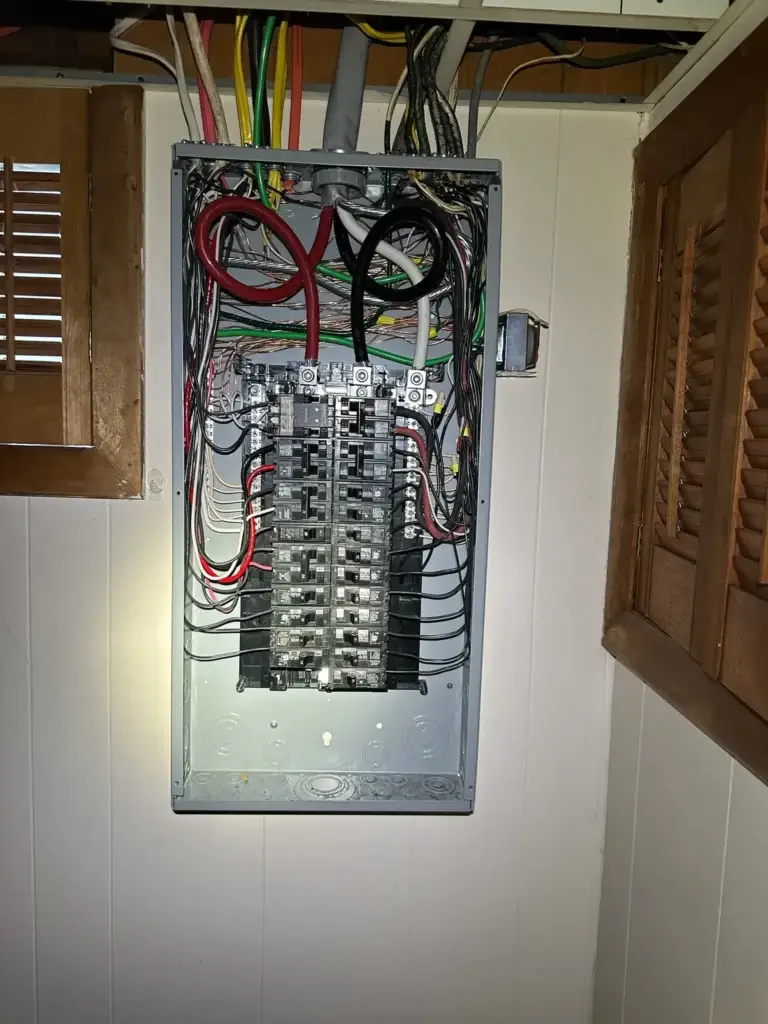
Upgrading your electrical panel to support an EV charger involves several steps:
Assessment by a Licensed Electrician: Start by having a professional evaluate your current panel and energy needs.
Load Calculations Prior to Installation: Conducting thorough calculations will inform the necessary capacity for the new panel based on intended EV charger use.
Compliance with Local Codes: Ensure that all upgrades meet local electrical codes and NEC requirements for safety and legality.
Through this structured process, you can ensure your upgrade is safe and compliant while preparing your home for EV charging.
How Does NEC 2023 Code Affect Electrical Panels and EV Charger Compatibility?
The NEC 2023 Code has introduced numerous provisions that directly impact how electrical panels interact with EV chargers. These updates include:
Updated Panel Capacity Requirements: Higher capacity may now be mandated for newly installed EV chargers, reflecting advancements in charging technology.
Guidance for Installers: NEC 2023 provides enhanced guidelines to ensure that installations meet the necessary standards.
NEC Compliance Necessity: Ensuring compliance with these updated codes is crucial for safe and efficient installations.
Staying informed about these updates is vital for both homeowners and installers to maintain compliance and safety in EV charging setups.
What Are the Key NEC 2023 Compliance Requirements for EV Charger Installations?
The NEC 2023 outlines several key compliance requirements that must be met for effective EV charger installations:
Safety and Compliance Checklist: These guidelines assure that every installation aligns with modern safety practices.
Breaker Sizing Mandates: Certain minimum specifications are required to ensure that safeguarding against electrical overloads is in place.
Panel Evaluation Criteria: A clear set of standards outlines how electrical panels should be assessed before EV charger installation to prevent hazards.
Understanding these requirements helps ensure your installation is not only efficient but also meets necessary legal standards.
How Do NEC Code Updates Impact Panel Ampacity and Breaker Specifications?
NEC code updates can significantly alter how electrical panels are assessed and utilized in EV charging scenarios. Impacts include:
Impact on Existing Installations: Current setups may need re-evaluation based on newly established ampacity guidelines.
Guidance for Upgrades: Homeowners seeking to upgrade need to consider these changes to determine if their systems still comply.
Future-Proofing Considerations: Understanding the trends in code updates can help predict what future adaptations may be necessary for residential electrical systems.
Keeping abreast of these changes ensures that your electrical grid remains compliant and capable of handling advancing technologies.
What Are Cost Considerations for Electrical Panel Upgrades to Support EV Chargers?
When considering an upgrade to support an EV charger, evaluating cost factors is essential. Key considerations include:
Typical Upgrade Costs: Costs can vary widely based on the complexity of the installation and local labor rates.
Long-Term Savings from EV Charging: While initial costs may be higher, investing in a modern panel can lead to significant savings in energy efficiency.
Federal Incentives Information: Homeowners may also benefit from various incentives that can help offset the cost of upgrades.
Carefully evaluating these factors aids in budgeting effectively for a necessary electrical panel upgrade.
How Does Panel Capacity Affect Upgrade Pricing?
The capacity of your electrical panel directly influences the pricing of upgrades needed to support an EV charger. Considerations include:
Assessing Current Load Demand: Understanding your household’s existing electrical demands will highlight how much capacity is required.
Costs Associated with Larger Panels: Higher capacity panels may incur larger installation costs, necessitating a more extensive budget.
Installation Complexities: Integral upgrades may introduce additional costs if existing infrastructure requires significant modifications.
By planning strategically, homeowners can balance costs with the need for a reliable and modern electrical system.
What Are Typical EV Charger Installation Checklist Items Impacting Costs?
Before installing an EV charger, several critical checklist items can influence costs significantly:
Permit Requirements: Local regulations may necessitate permits, contributing to the overall project cost.
Inspection Criteria: Installation will often require an inspection to confirm compliance with local and NEC codes, potentially incurring additional fees.
Necessary Equipment: The specific type of installation equipment needed can further affect the overall budget for your project.
Being thorough in planning and understanding these elements aids in streamlining the installation process and managing costs.
How Can I Safely Install and Maintain My EV Charger with Proper Panel Support?
Installing an EV charger safely requires a careful approach to ensure ongoing support from your electrical panel. Important considerations include:
Importance of Hiring Professionals: Engaging qualified electricians ensures that installations are done according to NEC standards and local codes.
Regular Maintenance and Checks: Routine inspections will help detect issues early and ensure that your system operates safely.
Safety Compliance: It’s essential to adhere to safety protocols throughout the installation process to mitigate any risk of electrical hazards.
By keeping safety at the forefront of your installation approach, you can ensure that your EV charger performs optimally and securely.
What Are the Best Practices for EV Charger Installation Safety?
While installing an EV charger, following specific best practices promotes safety:
Using Licensed Electricians: Always employ certified professionals for installation to adhere to safety standards and codes.
Regular Inspections: Schedule routine inspections to ensure continued compliance and safety of electrical systems.
Following NEC Guidelines: Adherence to NEC guidelines throughout the installation process safeguards against potential hazards.
These practices not only protect the integrity of the installation but also ensure its reliability for future EV charging needs.
How Do Regular Electrical Panel Assessments Ensure Ongoing EV Charger Support?
Conducting regular assessments of your electrical panel plays a vital role in supporting EV charger performance over time. The significance of these assessments includes:
Ensuring Panel Capacity Meets Demand: Regular evaluations help confirm that your panel continues to meet the necessary amperage requirements for home use and EV charging.
Proactive Maintenance Benefits: Regular checks can identify potential issues before they escalate, saving time and repair costs.
Professional Assessment Frequency: Scheduling assessments with licensed electricians enhances electrical safety and guarantees compliance with NEC codes.
Understanding this ongoing need helps maintain a safe and efficient electrical system well into the future.