Commercial Electrical Services: Repair, Installation & Maintenance
Moore Electric Inc. offers reliable commercial electrical services, including expert repair, installation, and maintenance solutions. With over 25 years of experience, they are licensed in MA, NH, and ME. Their services include electrical panel upgrades, troubleshooting, and new construction electrical systems, ensuring timely communication and compliance with codes. For businesses, they emphasize coordination with general contractors to avoid project delays and ensure inspections pass on the first attempt. This article explores the essential aspects of commercial electrical services, focusing on repair, installation, and maintenance, while highlighting how these services contribute to business reliability and efficiency.
What Commercial Electrical Repair Services Ensure Business Reliability?
Commercial electrical repair services that ensure business reliability include:
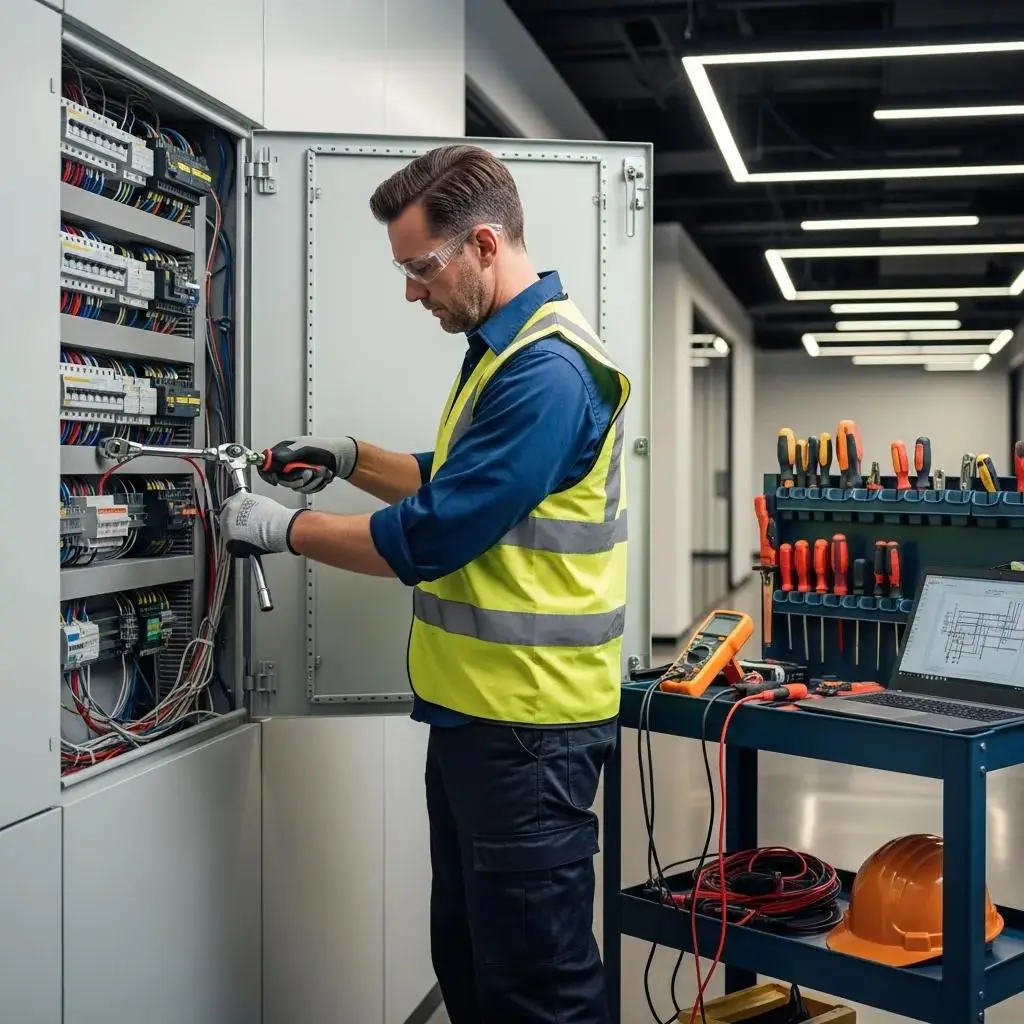
- Electrical Troubleshooting & Repair: Quick diagnosis and fixing of issues like flickering lights, tripping breakers, and warm outlets.
- Circuit Breaker Issues: Diagnosis and replacement of tripping breakers, which may indicate a need for load balancing or panel upgrades.
- Wiring Repairs: Repair of damaged or deteriorating wiring to prevent safety hazards.
- Electrical Panel Issues: Diagnosis of panel problems and determining if repairs or upgrades are necessary.
- GFCI/AFCI Troubleshooting: Testing and repair of ground fault and arc fault protection devices, essential for safety in commercial settings.
These services help maintain a safe and reliable electrical system for businesses.
Which Office Electrical Repairs Are Essential for Business Continuity?

Essential office electrical repairs for business continuity include addressing flickering or dimming lights, frequently tripping breakers, warm or discolored outlets, and any burning smells or sparks. These issues can indicate underlying problems that may pose safety risks or disrupt operations, necessitating prompt professional attention. Timely repairs not only ensure safety but also minimize downtime, allowing businesses to operate smoothly.
Indeed, ensuring business continuity often hinges on the resilience of underlying infrastructure, as highlighted by research into critical system design.
Business Continuity & Resilient Electrical Infrastructure Design
Since a few years, companies that runs business critical applications are increasing their focus on their support infrastructures. Indeed, it is clearly useless to pursue higher systems reliability, when the infrastructure is vulnerable. Aim of this paper is to explore the value of business continuity within the scope of the design of resilient system.
From business continuity to design of critical infrastructures: ensuring the proper resilience level to datacentres, F Giordano, 2013
How Do Business Electrical Contractors Handle Emergency Electrical Repairs?
Business electrical contractors handle emergency electrical repairs by prioritizing urgent issues that pose safety risks. They encourage customers to call if they experience dangerous situations like sparking outlets, burning smells, or complete loss of power, and they strive to schedule these calls as quickly as possible. The process typically involves diagnosing the issue, explaining the necessary repairs, obtaining approval, and then completing the repair with quality materials and techniques. After repairs, they test everything to ensure safety and functionality, providing peace of mind to business owners.
How Does Commercial Electrical Installation Support Business Efficiency?
Commercial electrical installation supports business efficiency by ensuring that electrical systems are reliable and up to code, which minimizes downtime and disruptions. It involves coordination with general contractors to stay on schedule, effective communication about any changes, and passing inspections on the first attempt to avoid delays. This proactive approach helps businesses maintain their workflow without the hassle of electrical issues holding up projects.
What Are the Standards for Commercial Wiring Installation?
- Complete Rough-In: All wiring, boxes, and circuits must be installed to code before drywall, with proper wire routing and labeling for future access.
- Service Entrance & Panel: The service entrance must be properly sized, whether underground or overhead.
- Load Calculations: These should support both current and future electrical needs.
- Lighting Design & Layout: Strategic placement of fixtures for function and ambiance, including various types of lighting.
- Low-Voltage Rough-In: This includes planning for data, ethernet, cable TV, security systems, and speaker pre-wiring.
- Final Trim & Finish: Installation of devices, fixtures, and covers after painting, along with final testing and labeling.
- Inspection: A rough-in inspection must be scheduled and passed before moving on to the next phase.
- Future-Ready: Systems should be pre-wired for EV chargers, solar panels, and smart building integration.
How Do Energy-Efficient Commercial Electrical Solutions Reduce Costs?
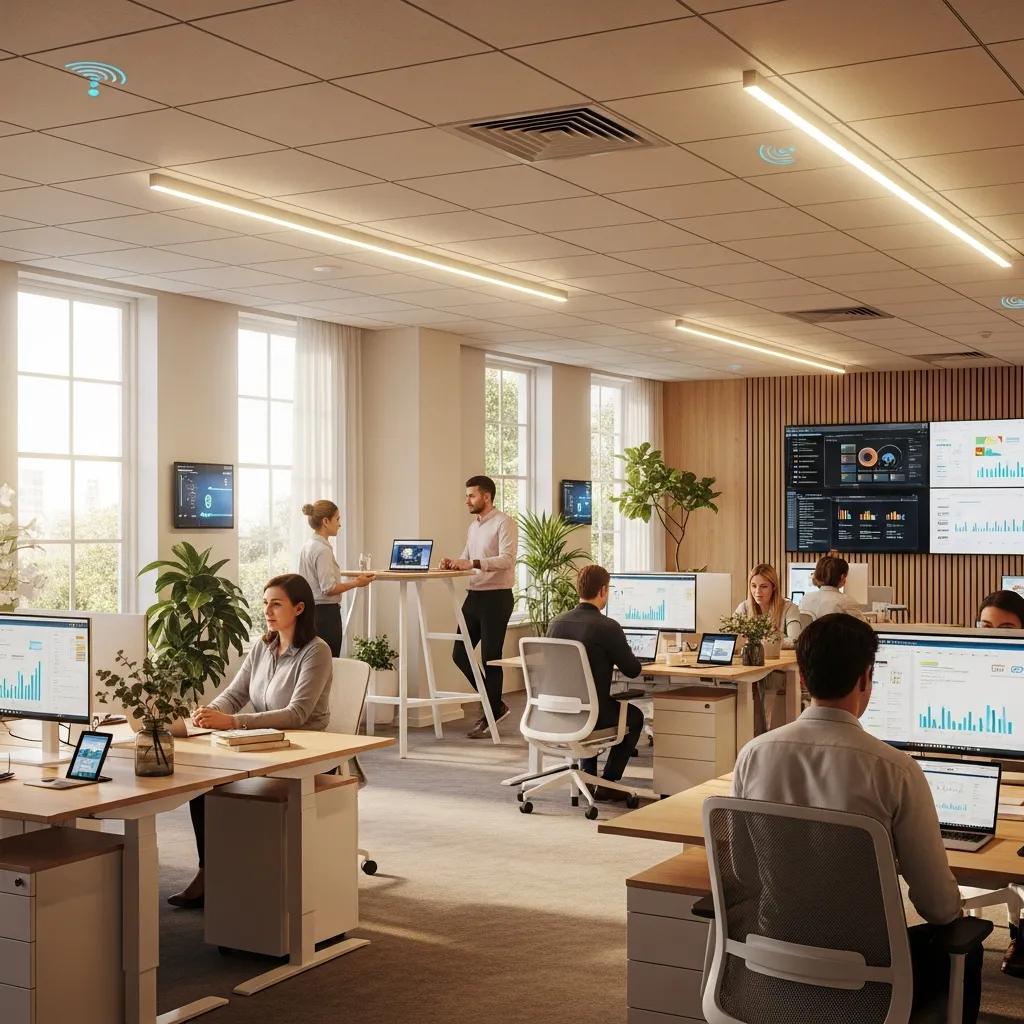
Energy-efficient commercial electrical solutions can significantly reduce operational costs by minimizing energy consumption. Implementing LED lighting, energy-efficient HVAC systems, and smart building technologies not only lowers utility bills but also enhances the overall comfort and productivity of the workspace. Additionally, these solutions often qualify for rebates and incentives, further offsetting initial investment costs. By prioritizing energy efficiency, businesses can achieve long-term savings while contributing to environmental sustainability.
Why Is Regular Office Electrical Maintenance Critical for Commercial Buildings?
Regular office electrical maintenance is critical for commercial buildings to ensure safety, prevent electrical hazards, and maintain operational efficiency. Issues like flickering lights, tripping breakers, and warm outlets can indicate underlying problems that, if left unaddressed, may lead to serious safety risks, including electrical fires. Regular maintenance helps identify and resolve these issues before they escalate, ensuring that the electrical systems are functioning properly and safely.
What Does a Comprehensive Electrical Maintenance Plan Include?
A comprehensive electrical maintenance plan includes several key components:
- Regular Inspections: Scheduled assessments of electrical systems to identify potential issues before they become serious problems.
- Preventive Maintenance: Routine tasks such as tightening connections, cleaning components, and testing safety devices to ensure optimal performance.
- Documentation and Reporting: Keeping detailed records of inspections, maintenance performed, and any issues identified to track system health over time.
This proactive approach not only enhances safety but also extends the lifespan of electrical systems, ultimately saving businesses money.
How Often Should Commercial Electrical Systems Be Inspected?
Commercial electrical systems should be inspected at least once every three years according to the National Fire Protection Association (NFPA) 70B recommendations, though more frequent inspections may be necessary for older buildings or those with complex electrical systems. Factors influencing inspection frequency include the age of the electrical system, the type of equipment used, and any previous issues encountered. Regular inspections help ensure compliance with safety standards and can prevent costly downtime due to unexpected failures.
How to Choose a Trusted Business Electrical Contractor for Commercial Services?
To choose a trusted business electrical contractor for commercial services, consider the following:
- Experience and Expertise: Look for a contractor with extensive experience, ideally over 25 years, in coordinating with other trades on complex builds.
- Personal Oversight: Ensure that the contractor personally oversees projects, which can prevent issues with rotating crews and communication.
- Licensing: Verify that the contractor is licensed in your area, which indicates compliance with local regulations.
- Communication: Choose a contractor who communicates clearly and promptly about schedules and any changes.
- Inspection Success: A reliable contractor should have a track record of work passing inspections on the first attempt, minimizing delays.
- Direct Contact: Opt for a contractor who provides a direct line to a knowledgeable person (not just a dispatcher) for any inquiries.
- Future-Proofing: Consider if the contractor offers solutions that accommodate future technologies, such as EV chargers and smart building systems.
- Clear Explanations: The contractor should be able to explain options in plain language, avoiding technical jargon.
What Certifications and Licenses Should a Commercial Electrician Have?
A commercial electrician should have the appropriate state licenses for each state they operate in, which may include journeyman and master electrician licenses. Being a Master Electrician with extensive experience is beneficial. These certifications ensure that the electrician is knowledgeable about current codes and safety standards, providing peace of mind to business owners.
How to Evaluate Commercial Electrical Service Providers?
To evaluate commercial electrical service providers, consider the following criteria:
- Experience and Qualifications: Look for providers with significant experience, such as a Master Electrician with over 25 years in the field.
- Clear Communication: Ensure they explain issues in plain language and provide upfront pricing without hidden fees.
- Comprehensive Services: Check if they offer a full range of services, including new construction, rough-in, inspection, and final walkthroughs.
- Future-Proofing: Assess if they plan for future needs, such as EV chargers, solar panels, and smart building systems.
- Code Compliance: Confirm that all work is guaranteed to be 100% code-compliant.
- Customer Reviews: Look for high ratings and positive feedback from previous clients, such as a 5.0 Google rating.
- Licensing: Verify that they hold the necessary state licenses to operate legally.
- Personalized Service: Consider if the owner or a qualified electrician personally handles diagnoses and repairs, rather than relying on apprentices.
| Service | Description | Benefits |
|---|---|---|
| Electrical Troubleshooting & Repair | Quick diagnosis and fixing of electrical issues | Ensures safety and minimizes downtime |
| Circuit Breaker Issues | Diagnosis and replacement of tripping breakers | Prevents overloads and potential hazards |
| Wiring Repairs | Repair of damaged wiring | Enhances safety and system reliability |
This table summarizes the key commercial electrical repair services that contribute to business reliability, highlighting their descriptions and benefits.
In conclusion, reliable commercial electrical services are essential for maintaining safety, efficiency, and operational continuity in businesses. By understanding the importance of repair, installation, and maintenance, business owners can make informed decisions when selecting electrical contractors. Moore Electric Inc. stands out as a trusted provider, ensuring that businesses receive the highest quality electrical services tailored to their needs.