Upgrading Outdated Electrical Panels in Plaistow, NH
By Brenden Moore, Moore Electric
Most homes in Plaistow were built to run on 100 amps or less. That was plenty when the biggest electrical load in the house was a dryer and a central air unit. But the demands on a residential electrical system have changed. Heat pumps, EV chargers, standby generators, induction cooktops, and home offices with multiple monitors all pull serious current, and they pull it at the same time.
When the panel can’t keep up, homeowners start noticing the symptoms. Breakers trip when two large appliances run simultaneously. Lights dim when the HVAC kicks on. And in some cases, an insurance carrier flags the panel during a policy renewal and asks for documentation that the system has been updated.
This guide covers the specific situations that push Plaistow homeowners toward a panel upgrade, what the process looks like, and why insurance companies care as much as they do about what’s inside your breaker box.
What Triggers a Panel Replacement in Plaistow Homes?
Panel replacements don’t usually happen because a homeowner wakes up and decides to spend money on their electrical system. They happen because something forces the conversation.
The most common trigger is adding a high-demand appliance. A Level 2 EV charger draws 30 to 50 amps on a dedicated circuit. A standby generator needs its own dedicated circuits and a transfer switch. A heat pump system may require a 30- or 40-amp circuit depending on the unit. If the existing panel is already near capacity or doesn’t have enough open breaker slots, none of these additions can go in safely without upgrading first.
The second common trigger is an insurance inspection. Carriers increasingly scrutinize electrical panels during policy renewals and new home purchases. If the panel is outdated, undersized, or manufactured by a brand the carrier considers high-risk, they may require an upgrade before issuing or renewing coverage.
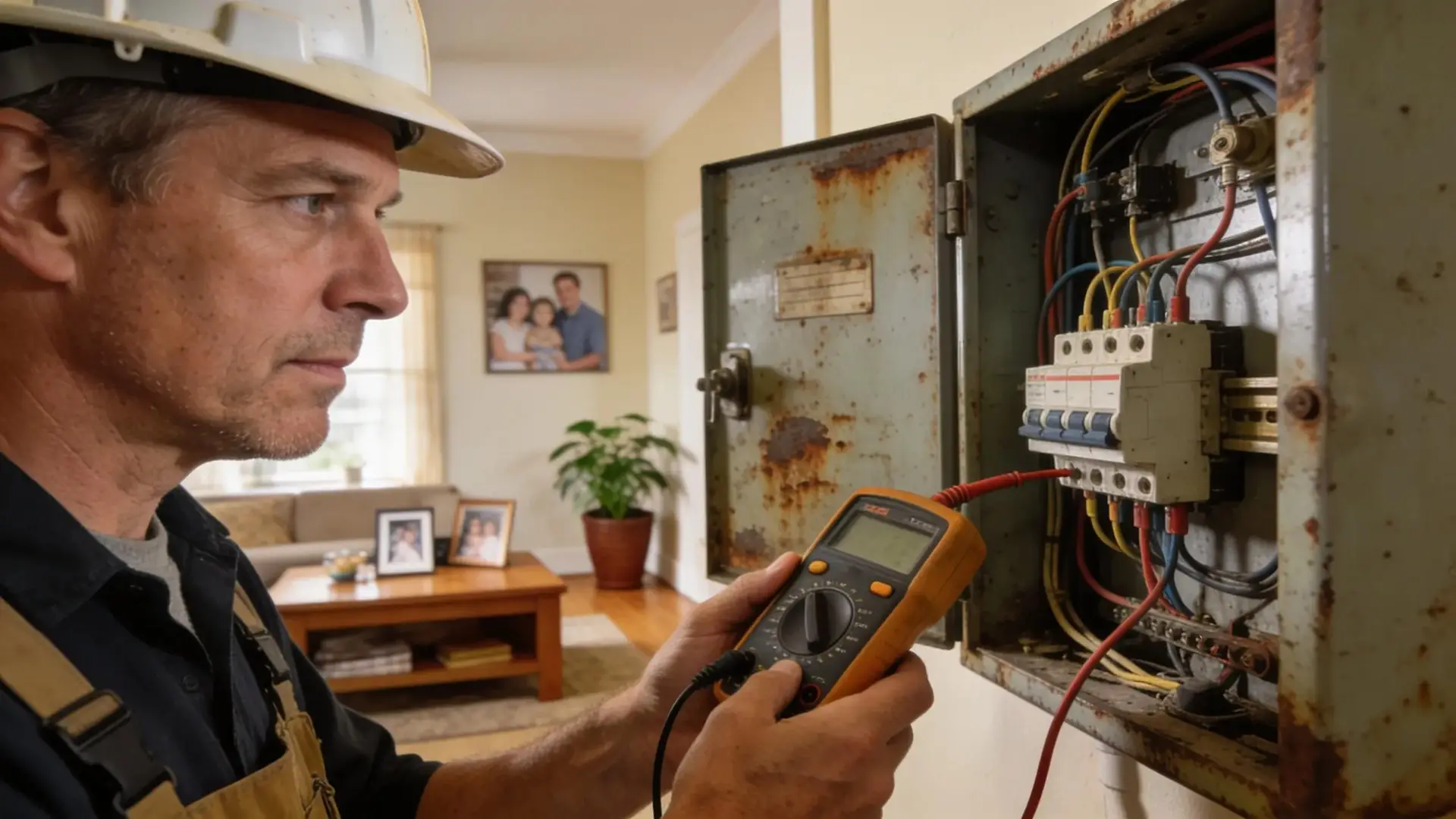
The third trigger is the symptoms themselves. Breakers that trip regularly, outlets that feel warm to the touch, lights that flicker when appliances cycle on, or a panel cover that shows rust or discoloration. These aren’t minor annoyances. They’re the panel telling you it’s overloaded, corroded, or both.
Why Do Insurance Companies Care About Your Panel?
Insurance underwriters assess risk. An outdated electrical panel with corroded connections, insufficient amperage, or a history of tripped breakers represents a measurable fire risk. Carriers know this, and they price accordingly.
Some carriers flag specific panel brands or vintages as higher risk and either increase premiums or decline coverage altogether. Others require a licensed electrician’s inspection report confirming the panel meets current standards before they’ll write the policy.
Upgrading the panel removes that friction entirely. The permit and inspection report from the Town of Plaistow’s building department serve as documented proof that the system meets current code. That documentation follows the home through future sales and insurance renewals, which makes it valuable well beyond the day the work is done.
If your carrier has raised questions about your electrical panel, or if you’re buying a home where the inspection report flagged the panel, a licensed electrician can assess the system and tell you exactly what needs to happen.
What Does the Upgrade Process Look Like?
The process follows a clear sequence, and your electrician should be able to walk you through each step before work begins.
First, a licensed electrician evaluates the existing panel, the service entrance cable, and the overall condition of the home’s wiring. This assessment determines whether the project is a straightforward panel swap or whether the service entrance also needs to be upgraded. Going from 100 amps to 200 amps almost always means replacing the service entrance cable, the meter base, and potentially the weatherhead.
Next, the electrician files a permit with the Town of Plaistow’s building department. New Hampshire requires a permit for panel replacements, and the scope of work needs to be documented before anything gets disconnected.
On installation day, the utility disconnects power at the meter. The old panel comes out, the new one goes in, and every branch circuit gets reconnected and labeled. If the service entrance is being upgraded at the same time, that work happens in the same visit. Power is typically off for most of the day.
After installation, a town electrical inspector verifies the work meets New Hampshire electrical code. Once the inspection passes, the utility reconnects service and the house is back online.
Most panel upgrades in Plaistow take one full day of on-site work. Homes that need service entrance upgrades or additional wiring repairs may take slightly longer.
How Does a 200-Amp Panel Support Modern Appliances?
A 100-amp panel was designed for a house that ran a few lights, a refrigerator, a dryer, and maybe window AC units. Today’s homes ask for significantly more.
Here’s what the math looks like in practical terms. A central air conditioner draws 20 to 30 amps. An electric dryer takes another 30. An electric range pulls 40 to 50. Add a Level 2 EV charger at 40 amps and a heat pump at 30, and you’re well past what a 100-amp panel can safely deliver. The circuits compete for capacity, breakers trip, and the panel runs hot.
A 200-amp panel gives the home enough headroom to run all of these simultaneously without overloading. It also provides enough open breaker slots to add dedicated circuits for future needs, whether that’s a standby generator, a hot tub, a workshop, or another high-draw appliance that doesn’t exist yet.
Upgrading to 200 amps is the standard recommendation for any Plaistow home planning to add an EV charger, a generator, or a heat pump system. It handles today’s load and leaves room for what comes next.
What Should You Watch for When Choosing an Electrician?
New Hampshire requires electricians to hold a state license, and the Town of Plaistow requires a permit for panel work. Any electrician you hire should be pulling the permit and coordinating the inspection. If someone offers to do the work without a permit, walk away.
Beyond licensing, ask about their experience with the specific work your home needs. Upgrading a panel in a 1970s ranch with aluminum wiring is a different job than upgrading one in a newer home with copper throughout. The electrician should be able to explain what they expect to find, what that means for the scope, and what happens if conditions behind the panel are different than expected.
Get a written scope of work before anything starts. That document should cover what’s being replaced, whether the service entrance is included, what the permit covers, and how changes in scope will be communicated and priced. A verbal quote with no documentation leaves you exposed if the job grows once walls are opened.
The electrical panel upgrade page on our site covers the process in more detail, including what to expect from the assessment through final inspection.
Ready to find out what your Plaistow home needs?
Brenden Moore is a Master Electrician with 25+ years of experience, licensed in NH, MA, and ME. He’ll evaluate your panel, walk you through the options, and give you a clear plan before any work starts.