Upgrading Outdated Electrical Panels in Older Haverhill, MA Homes
By Brenden Moore, Moore Electric
A lot of homes in Haverhill were built long before anyone owned a heat pump, a Level 2 EV charger, or a kitchen with two ovens. Many of those houses still run on the same 60-amp or 100-amp panel that was installed when the home was wired for a handful of lights and a single window AC unit. Some still have fuse boxes.
That gap between what the panel can deliver and what the house actually needs creates real problems. Breakers trip when you run the dryer and the microwave at the same time. Lights flicker. Insurance carriers ask questions during renewals. And if you want to add an EV charger or a standby generator, the panel might not have the capacity or the open breaker slots to support it.
This guide walks through what a panel upgrade in Haverhill actually involves, what drives the cost, and how to tell whether your home needs one.
How Do You Know Your Electrical Panel Needs Replacing?
Some warning signs are obvious. Others show up gradually, and homeowners get used to living around them.
Breakers that trip more than once a month are the clearest signal. A breaker trips because the circuit is carrying more current than it can safely handle. If that keeps happening, the panel is telling you it can’t keep up with the load.
Rust or discoloration on the panel cover is another one. Moisture inside an electrical panel accelerates corrosion on bus bars and connections, and corroded connections generate heat. That heat can damage wiring and, in worst cases, start a fire behind the wall.
Then there are the less dramatic clues. Lights dim when the furnace kicks on. You rely on power strips and extension cords because there aren’t enough outlets. The panel is warm to the touch. These all point to the same root issue: the electrical system was sized for a different era.
If your home was built before 1980 and still has its original panel, it almost certainly falls below the 200-amp standard that most modern homes require. Homes with original fuse boxes are even further behind.
What Makes Older Haverhill Homes Different?
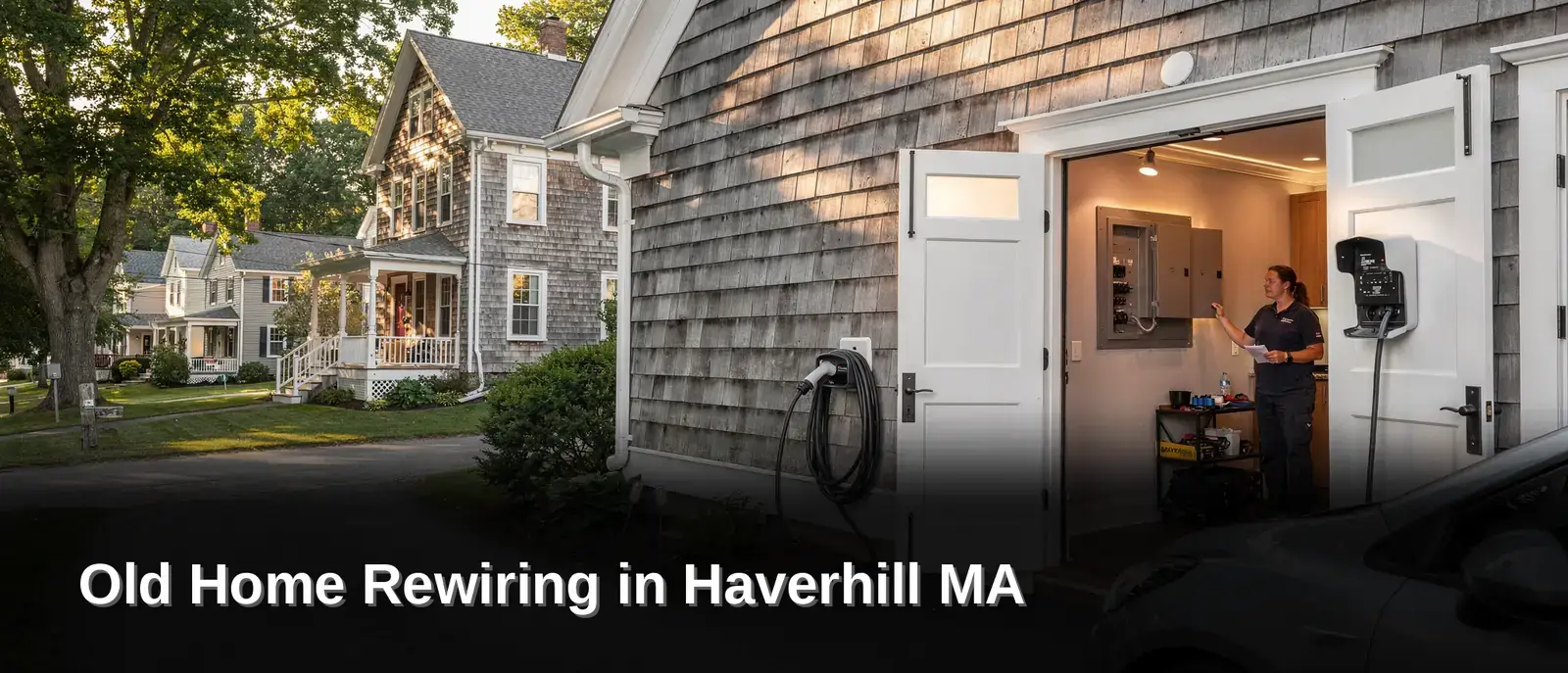
Haverhill has a wide mix of housing stock, from colonial-era homes in Bradford to mid-century capes and ranches in the neighborhoods around Kenoza Lake. The electrical challenges vary depending on the age of the house and what kind of wiring is inside the walls.
Homes built before the 1950s may still have knob-and-tube wiring or cloth-insulated wiring. Both of these systems were safe when they were installed, but the insulation deteriorates over decades. Cloth insulation becomes brittle and cracks. Knob-and-tube wiring was never designed to be buried under blown-in insulation, which traps heat around the conductors.
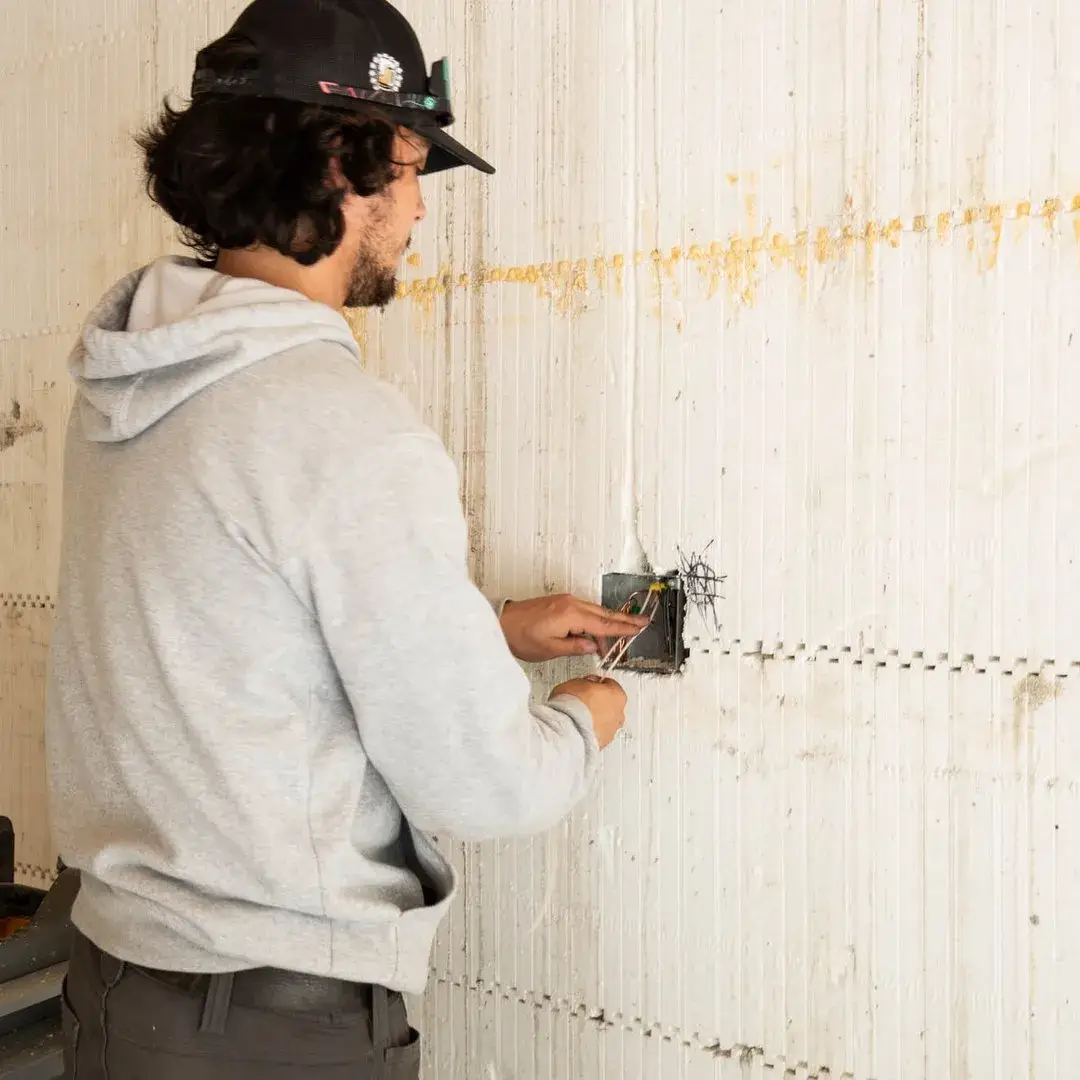
A panel upgrade in a home with aging wiring often turns into a broader conversation about rewiring part or all of the house. The new panel can deliver 200 amps, but that power still travels through the old wiring. If the wiring can’t safely carry the load, upgrading the panel alone doesn’t solve the safety issue.
Homes built in the 1960s and 1970s present a different concern. Some of these were wired with aluminum branch wiring, which requires special connectors and compatible devices to prevent overheating at connection points. A licensed electrician can identify aluminum wiring during a panel assessment and recommend the right approach.
What Does a Panel Upgrade Involve, Start to Finish?
The process has several distinct steps, and each one matters.
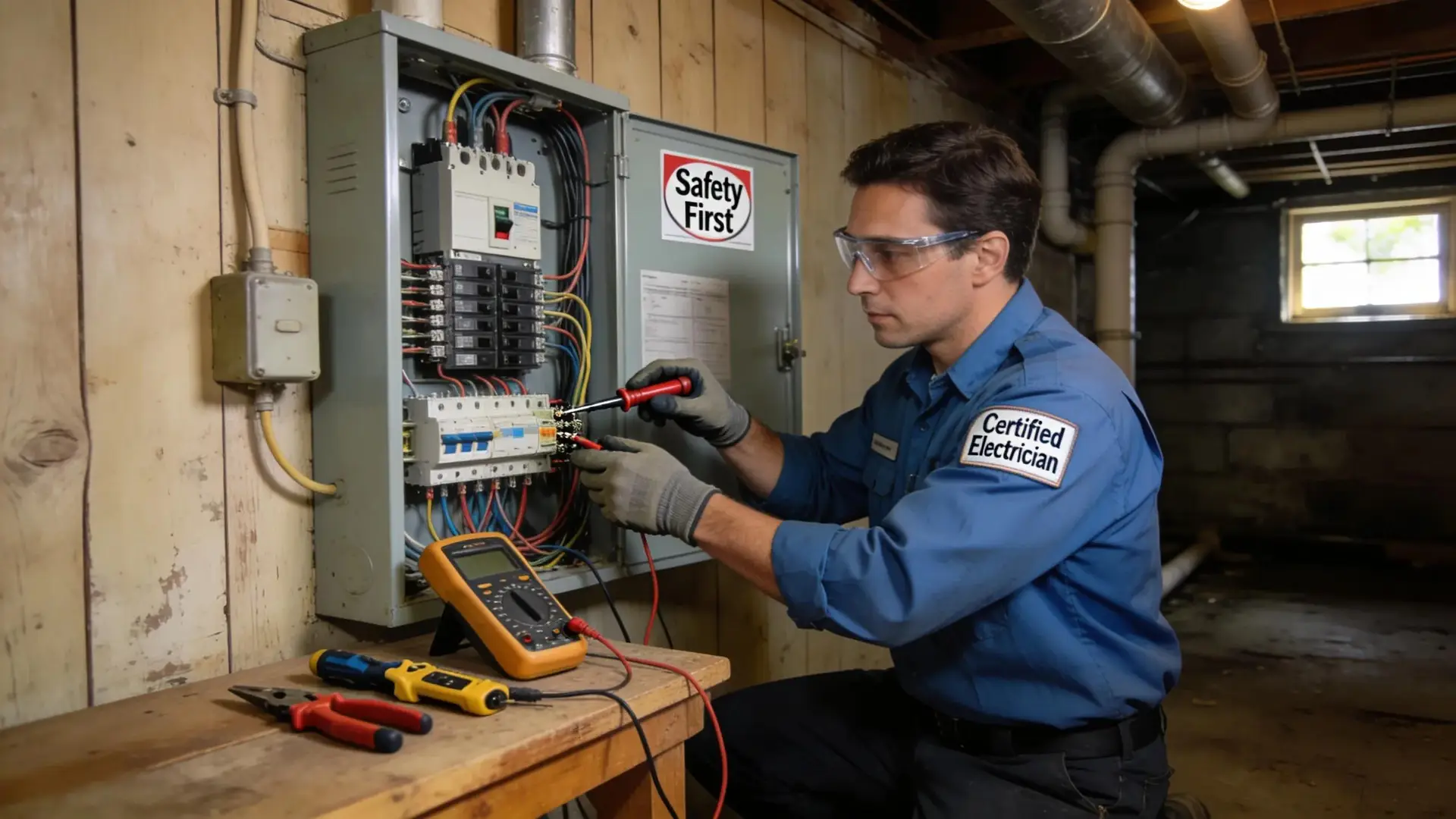
First, a licensed electrician evaluates the existing panel, the service entrance, and the condition of the wiring throughout the house. This tells you whether the project is a straightforward panel swap or whether the service entrance (the cable running from the utility’s transformer to your meter and panel) also needs upgrading. If you’re going from 100 amps to 200 amps, the service entrance almost always needs to be replaced too.
Next comes the permit. Massachusetts requires a permit for panel replacements, and the City of Haverhill’s building department will want to see the scope of work before it starts. Your electrician handles the permit application.
On installation day, the utility disconnects power at the meter. The electrician removes the old panel, installs the new one, reconnects all the branch circuits, and labels each breaker. If the service entrance is being upgraded, that work happens at the same time. Power is typically off for most of the day.
After the installation, a city electrical inspector comes out to verify the work meets Massachusetts electrical code. Once the inspection passes, the utility reconnects service at the meter, and the house is back online with a modern panel.
Most panel upgrades in Haverhill take one full day of on-site work, though homes that need service entrance upgrades or repairs to damaged wiring may require additional time.
How Much Does a Panel Upgrade Cost in Haverhill?
Costs vary depending on several factors, and no two homes are exactly alike. The biggest variables are the amperage change, whether the service entrance needs replacing, the condition of the existing wiring, and how accessible the panel location is.
A simple panel swap at the same amperage (replacing a worn-out 200-amp panel with a new one) costs less than upgrading from 100 amps to 200 amps, which involves heavier cable and potentially a new meter base. If the home needs a service entrance upgrade from the weatherhead down to the panel, that adds to the scope and the price.
Homes with knob-and-tube or cloth wiring may need partial rewiring to safely connect older circuits to the new panel. That work is separate from the panel upgrade itself, but it often makes sense to do both at the same time rather than opening walls twice.
The best way to get an accurate number for your home is to schedule an evaluation. Every house has its own variables, and a licensed electrician can walk through yours and explain exactly what the job requires.
Why Does Insurance Care About Your Electrical Panel?
Homeowners insurance carriers pay close attention to electrical systems, especially in older homes. Some carriers flag certain panel brands as higher risk. Others require proof that the home’s electrical system has been updated before they’ll issue or renew a policy.
An outdated panel with a history of tripped breakers, corroded connections, or insufficient amperage can increase your premium or, in some cases, lead to a denial of coverage. Upgrading the panel removes that concern and gives you documentation (the permit and inspection report) that proves the system meets current code.
If your insurance company has asked about your electrical panel during a renewal or a home purchase, a licensed electrician can assess the panel and tell you exactly what needs to happen to satisfy the carrier’s requirements.
Can a Panel Upgrade Support an EV Charger or Generator?
Yes, and this is one of the most common reasons Haverhill homeowners upgrade their panels today.
A Level 2 EV charger draws 30 to 50 amps on a dedicated circuit. A standby generator requires its own dedicated circuits and a transfer switch. Neither of these can be safely added to a panel that is already at capacity or doesn’t have enough open breaker slots.
Upgrading to a 200-amp panel gives you the headroom for these additions plus whatever else the house needs in the coming years. Heat pumps, electric water heaters, induction cooktops – the trend is toward more electric appliances, not fewer. A modern electrical panel upgrade positions your home to handle all of it without tripping breakers or overloading circuits.
What Should You Look for in a Licensed Electrician?
Massachusetts requires electricians to hold a state license, and the City of Haverhill requires a permit for panel work. Any electrician you hire should be pulling permits and scheduling the inspection. If someone offers to do the job without a permit, that is a red flag.
Beyond licensing, look for experience with older homes specifically. Working in a 1920s colonial is different from wiring new construction. The electrician needs to know how to handle legacy wiring systems, assess whether existing circuits can safely connect to a new panel, and explain the options clearly so you can make an informed decision.
Ask about their process. A good electrician will want to look at the panel, the service entrance, and a sample of the wiring before quoting the job. If someone gives you a price over the phone without seeing the house, they’re guessing.
Not sure if your Haverhill home needs a panel upgrade?
Brenden Moore is a Master Electrician with 25+ years of experience, licensed in NH, MA, and ME. He’ll evaluate your panel, explain what your home needs, and give you a clear plan before any work starts.