How Much Does a Panel Upgrade Cost in NH? 2026 Pricing Guide
Upgrading your electrical panel is a crucial step for homeowners in New Hampshire, especially as electrical demands increase with modern appliances and technologies. This guide will provide you with a comprehensive understanding of the costs associated with panel upgrades in 2026, including the factors that influence pricing and the benefits of upgrading to a 200 amp service. Many homeowners face challenges with outdated electrical systems that can lead to safety hazards and inefficiencies. By understanding the costs and processes involved, you can make informed decisions about your electrical needs. This article will cover the necessity of electrical panel upgrades, the costs involved, and how to request a free estimate from Moore Electric Inc.
Electrical Panel Upgrades in NH: Why They Matter for Modern Homes
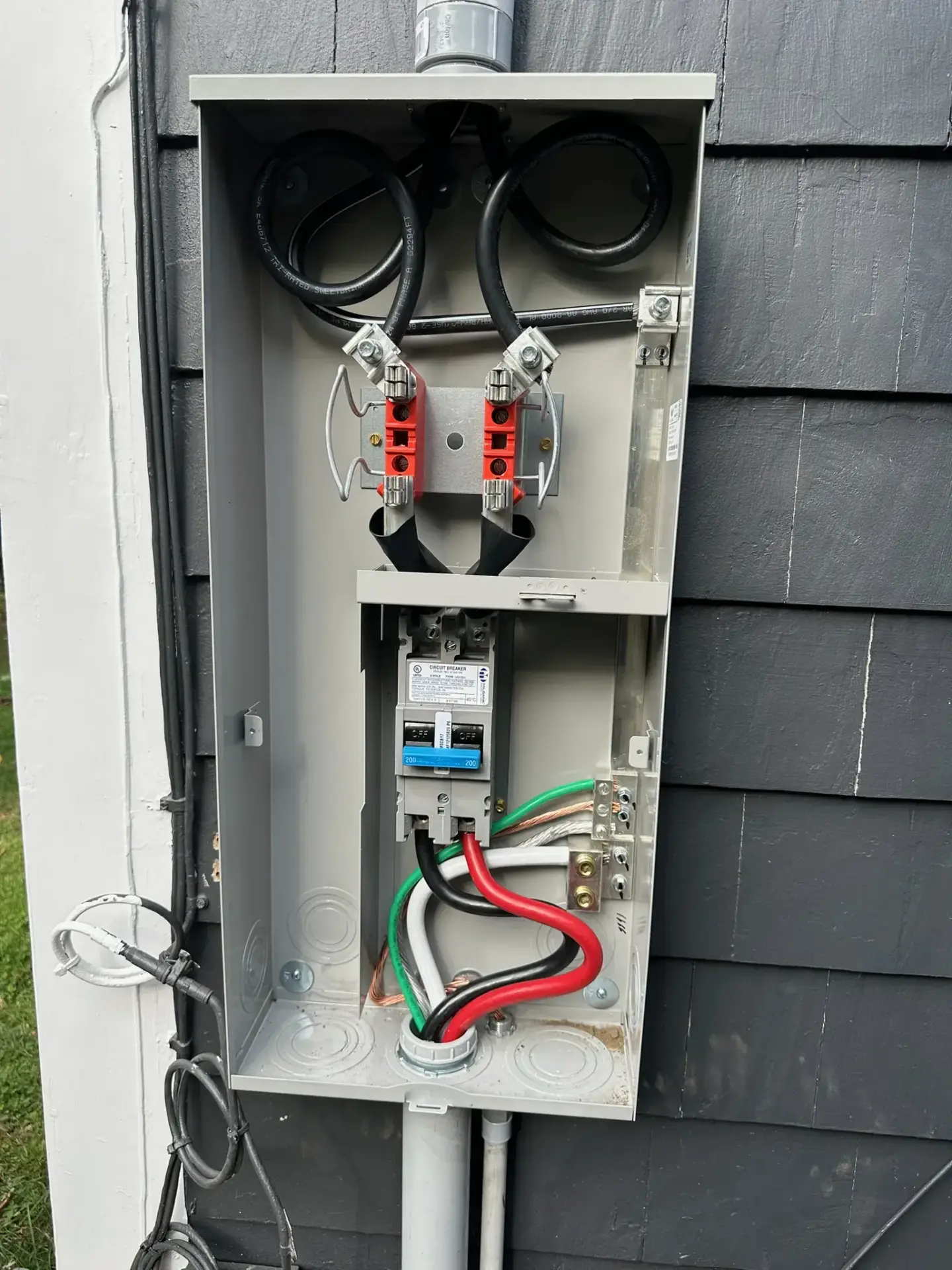
Electrical panel upgrades involve replacing or enhancing your existing electrical panel to accommodate increased power demands and improve safety. These upgrades are essential in New Hampshire due to the growing reliance on electricity for heating, cooling, and powering modern appliances. An upgraded panel ensures that your home can handle the electrical load safely and efficiently, reducing the risk of electrical fires and outages. Additionally, modern panels come equipped with advanced safety features that protect your home from electrical surges and overloads.
Understanding Electrical Panel Capacity and Breaker Box Replacement
The capacity of an electrical panel is measured in amps, which indicates how much electricity it can handle at one time. In New Hampshire, many homes still operate on outdated 100 amp panels, which may not suffice for today’s energy needs. When a panel is unable to support the electrical load, it can lead to frequent tripping of breakers or even electrical fires. Replacing an old breaker box with a new one that has a higher capacity, such as a 200 amp panel, is often necessary to ensure safety and efficiency in your home’s electrical system.
Common Reasons for Upgrading to a 200 Amp Electrical Panel in NH
Upgrading to a 200 amp electrical panel is becoming increasingly common in New Hampshire for several reasons:
- Increased Electrical Demand: Modern homes require more power due to the use of high-energy appliances and systems, such as HVAC units and electric vehicles.
- Safety Improvements: Newer panels are designed with enhanced safety features that protect against overloads and electrical fires.
- Future-Proofing Homes: As technology continues to evolve, having a 200 amp panel prepares your home for future electrical needs without the need for further upgrades.
What Factors Affect the Cost to Replace an Electrical Panel in New Hampshire?
Several factors influence the cost of replacing an electrical panel in New Hampshire. These include:
- Labor Costs: The complexity of the installation and the electrician’s experience can significantly affect labor costs.
- Material Quality: The type of panel and components used can vary in price, impacting the overall cost.
- Local Regulations: Compliance with local building codes and regulations may require additional permits and inspections, adding to the cost.
Material, Labor, and Permit Costs for Panel Upgrades
Understanding the breakdown of costs associated with panel upgrades can help homeowners budget effectively. Below is a table summarizing the typical costs involved:
| Cost Component | Cost Range | Description |
|---|---|---|
| Materials | $1,000 – $1,500+ | Includes the cost of the new panel, circuit breakers, and wiring. |
| Labor | $300 – $1,200+ | Varies based on the electrician’s rates and the complexity of the installation. |
| Permits | $100 – $300+ | Required permits for electrical work, depending on local regulations. |
Moore Electric provides a detailed quote prior to any work, and these prices are estimates based on averages.
These costs can vary based on the specific requirements of your home and the electrician you choose.
Considering these financial aspects, a thorough cost-benefit analysis is crucial for planning and prioritizing electrical system upgrades effectively.
Electrical System Upgrade Planning & Cost-Benefit Analysis
Electrical equipment ages at different rates based upon its application and environment. Facilities must consider maintenance costs and liability risk to formulate and prioritize upgrade plans. A comprehensive cost-benefit analysis study for each electrical subsystem will allow facilities to plan short- and long-term capital improvements.
Assessing replacement of electrical systems: a comprehensive cost-benefit analysis study for each electrical subsystem will allow facilities to plan short-and long-term …, 2016
Regional Pricing Variations and Market Trends in 2026
In 2026, the pricing for electrical panel upgrades in New Hampshire may vary based on regional demand and market trends. Areas with higher demand for electrical services may see increased prices due to competition among contractors. Additionally, fluctuations in material costs can impact overall pricing. Homeowners should consider obtaining multiple quotes to ensure they receive a fair price for their panel upgrade.
How Much Does a 200 Amp Electrical Panel Upgrade Cost in NH?
The cost of upgrading to a 200 amp electrical panel in New Hampshire typically ranges from $1,500+ to $3,000+. This price includes materials, labor, and any necessary permits. Factors such as the complexity of the installation and the specific requirements of your home can influence the final cost. It is advisable to consult with a licensed electrician to get an accurate estimate tailored to your situation.
Detailed Pricing Breakdown for 200 Amp Panel Upgrades
For a more detailed understanding of the costs associated with a 200 amp panel upgrade, consider the following table:
| Service | Cost Range | Description |
|---|---|---|
| 200 Amp Panel Installation | $1,500 – $5,000+ | Complete installation of a new 200 amp panel. |
| Circuit Breaker Replacement | $100 – $150+ each | Cost per breaker, depending on the type and brand. |
| Wiring Upgrades | $800 – $1,500+ | Additional costs for upgrading wiring to meet new panel requirements. |
Moore Electric provides a detailed quote prior to any work, and these prices are estimates based on averages.
This breakdown provides a clearer picture of what to expect when budgeting for a panel upgrade.
Benefits of Upgrading to a 200 Amp Electrical Service
Upgrading to a 200 amp electrical service offers several benefits:
- Increased Capacity: Supports more devices and appliances without overloading the system.
- Improved Safety: Reduces the risk of electrical fires and ensures compliance with modern safety standards.
- Enhanced Energy Efficiency: Newer panels can help reduce energy costs by optimizing power distribution.
Indeed, focusing on cost-effective solutions for these upgrades can significantly enhance both the safety and reliability of your home’s electrical infrastructure.
Cost-Effective Electrical Upgrades for Safety & Reliability
This paper describesa few cost effective upgrades and retrofits for existing electrical systems to improve safety and reliability. This paper reviews the most common improvements completed in existing electrical systems.
Improving safety and reliability via cost effective upgrades of existing systems, 2005
What Are the Permit Requirements and Regulations for Panel Upgrades in New Hampshire?
When planning an electrical panel upgrade in New Hampshire, it is essential to understand the permit requirements and regulations. Homeowners must obtain the necessary permits before beginning any electrical work. This process typically involves submitting plans to the local building department and scheduling inspections to ensure compliance with safety standards.
Navigating NH Electrical Permits for Panel Replacement
Navigating the permit process for electrical panel replacement can be straightforward if you follow these steps:
- Contact Local Authorities: Reach out to your local building department to understand the specific requirements for your area.
- Submit Plans: Provide detailed plans of the proposed work, including the type of panel and any additional upgrades.
- Schedule Inspections: After installation, schedule inspections to ensure the work meets local codes and regulations.
Compliance with State Electrical Codes and Inspection Processes
Compliance with state electrical codes is crucial for ensuring the safety and reliability of your electrical system. In New Hampshire, all electrical work must adhere to the National Electrical Code (NEC) standards. This includes proper installation practices, use of approved materials, and passing inspections. Failure to comply can result in fines and safety hazards.
How Do Panel Upgrades Support EV Charger Installations in NH?
As electric vehicles (EVs) become more popular, the need for adequate electrical infrastructure is essential. Panel upgrades support EV charger installations by providing the necessary capacity to handle the additional load. A 200 amp panel is often required to ensure safe and efficient charging of electric vehicles.
Why EV Chargers Often Require Electrical Panel Upgrades
EV chargers typically require a significant amount of power, which can exceed the capacity of older panels. Upgrading to a 200 amp panel ensures that homeowners can safely charge their vehicles without overloading their electrical systems. This upgrade not only supports current needs but also prepares homes for future electrical demands.
Research further emphasizes the critical role of residential panel upgrades in meeting the growing demand from electric vehicles and other electrification efforts.
Residential Panel Upgrades for EV & Electrification Demand
This chapter details the results of an analysis conducted by the California Center for Sustainable Communities at UCLA into the anticipated need for future electric service panel upgrades within the residential building sector to support future decarbonization targets introduced in the LA100 plan. All of the different transformation pathways explored in the original LA100 feasibility study assumed significant increases in the future adoption of electric vehicles as well as electrification of existing gas-powered end-uses. However, both of these technology transformations will potentially result in significant increases in the demand for electrical energy and power. One significant barrier to increasing the service capacity for LADWP customers in order to facilitate this transition is the rated capacity of their electrical service panels.
Service Panel Upgrade Needs for Future Residential Electrification, ED Fournier, 2023
Cost Implications of Combining EV Charger Installation with Panel Upgrades
Combining the installation of an EV charger with a panel upgrade can lead to cost savings. By addressing both needs simultaneously, homeowners can minimize labor costs and streamline the permitting process. It is advisable to consult with a qualified electrician to assess the best approach for your specific situation.
How Can You Request a Free Estimate for Your Electrical Panel Upgrade from Moore Electric Inc?
Requesting a free estimate for your electrical panel upgrade from Moore Electric Inc is a straightforward process. Homeowners can reach out via phone or email to schedule an assessment. The team will evaluate your current electrical system and provide a detailed estimate based on your specific needs.
- Phone: 603-836-9513
- Email: office@mooreelectricinc.net
Steps to Obtain a Detailed and Transparent Cost Estimate
To obtain a detailed and transparent cost estimate for your panel upgrade, follow these steps:
- Contact Moore Electric Inc: Reach out to schedule an assessment.
- Provide Information: Share details about your current electrical system and any specific needs.
- Receive Estimate: After the assessment, you will receive a comprehensive estimate outlining the costs involved.
Customer Testimonials and Case Studies on Panel Upgrade Projects
Customer experiences with panel upgrade projects highlight the importance of choosing a reliable contractor. Many homeowners have reported increased satisfaction with their electrical systems after upgrading to a 200 amp panel. Testimonials often emphasize improved safety, efficiency, and the ability to support modern electrical demands.
By understanding the costs and benefits associated with electrical panel upgrades, homeowners in New Hampshire can make informed decisions that enhance their safety and comfort. For commercial needs, consider commercial electrical services to ensure your business is up to code and running efficiently.