Signs Your Electrical Panel Is Overloaded
By Moore Electric Inc. Editorial Team · Updated 2026-07-20
Frequent breaker trips, flickering lights, and dimming circuits rank among the clearest indicators of an overloaded electrical panel. Electrical problems cause an average of 46,700 house fires annually in the United States. Homeowners observing these warning signs benefit from prompt assessment by a licensed Master Electrician before damage or fire risk escalates.
Key Takeaways
- Frequent breaker trips signal an overloaded panel, especially when high-draw appliances run simultaneously.
- An overloaded electrical panel creates 2 serious risks: damage to electronics and house fires.
- Old wiring paired with modern power demands pushes your electrical panel past its safe capacity.
- Ignoring repeated overloads requires immediate expert help before permanent damage occurs to your home.
What Does an Overloaded Electrical Panel Mean?
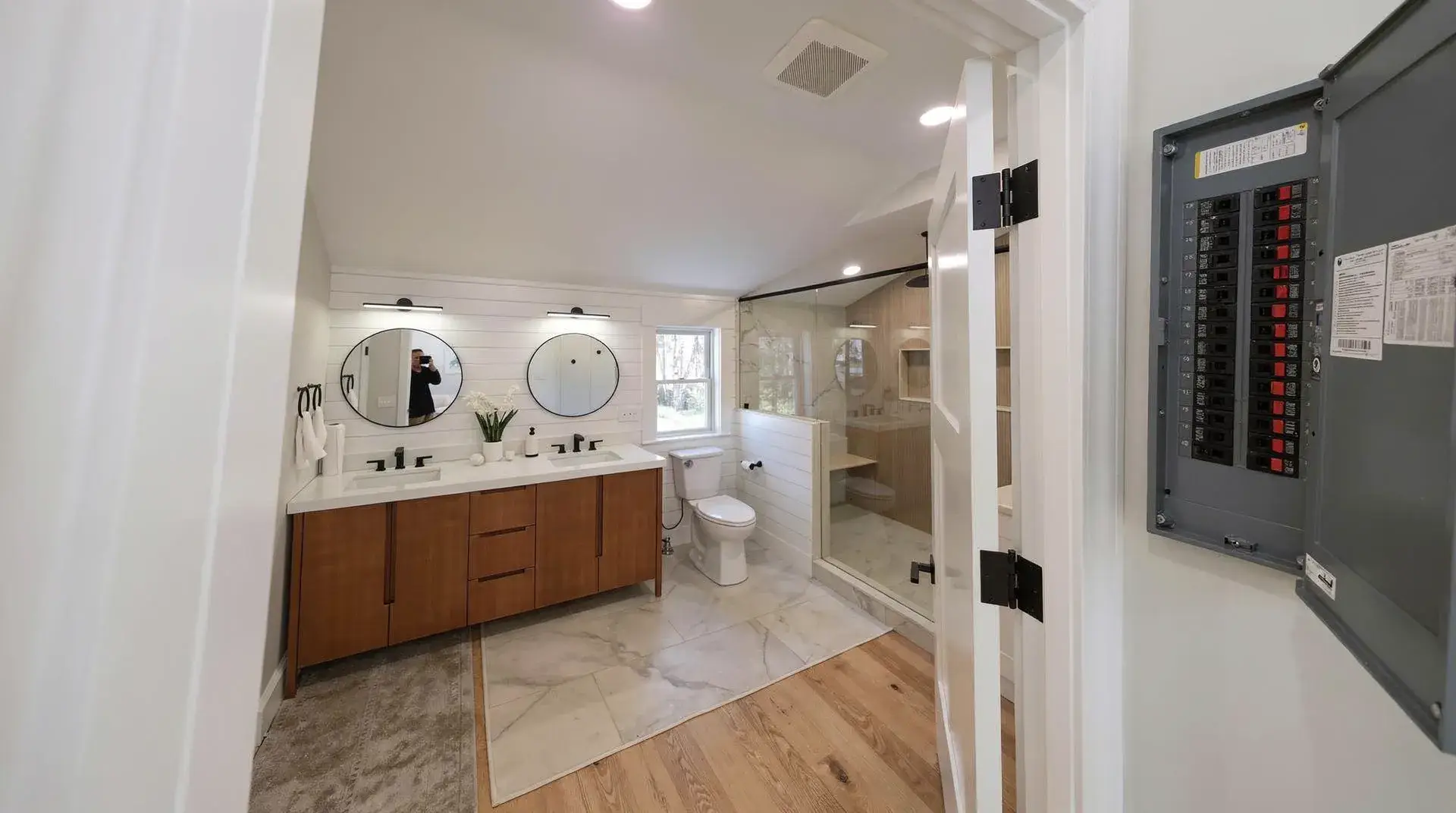
An overloaded electrical panel occurs when the total demand of all circuits exceeds the capacity the panel was designed to handle. Electrical panels — also called breaker boxes. Manage all electricity entering a structure and direct power to specific circuits through individual breakers.
Overloads rarely happen in a single event. Homeowners typically exceed panel capacity incrementally, adding appliances, power strips. Lighting fixtures without accounting for the cumulative electrical load those additions place on the system.
How Do I Know If My Electrical Panel Is Overloaded?
Recognizing how to tell if your electrical panel is overloaded begins with observing the panel’s behavior under normal household demand. The most common indicators include:
- Frequent breaker trips, particularly when high-draw appliances operate simultaneously
- Lights that flicker or dim when a refrigerator, microwave, or air conditioner activates
- Warm or discolored breaker panels, which signal sustained excess current
- Persistent burning odors near the breaker box
These signs of an overloaded electrical panel indicate the system is operating beyond its design limits.
Is My Electrical Panel Overloaded If Breakers Trip Regularly?
Frequent tripping is the panel’s protective response to excess current — not a malfunction. Is my electrical panel overloaded when breakers trip repeatedly? Regular trips confirm the panel is detecting demand beyond circuit capacity. Homeowners observing these signs you need an electrical panel upgrade — combined with an aging panel. Should treat the pattern as a capacity deficiency requiring professional evaluation, not a routine reset. Understanding how do I know if my electrical panel is overloaded ultimately depends on tracking both frequency and context of these events.
What Are the Most Common Signs of Overload?
Signs of an overloaded electrical panel fall into three distinct categories: mechanical responses, visual disturbances, and physical warning indicators at outlets and switches. Recognizing these categories early prevents the kind of damage that renders an electrical system unsafe for continued use.
Frequent circuit breaker trips represent the most recognizable indicator that a panel is being pushed beyond its rated capacity. A breaker that trips repeatedly is performing its designed safety function — but persistent tripping signals that the panel’s total demand consistently exceeds what the system was built to handle. Ignoring repeated trips does not resolve the underlying load imbalance; the stress on the panel’s components continues to accumulate.
Flickering or dimming lights — particularly when large appliances activate — indicate voltage fluctuations consistent with an overloaded electrical panel. When a refrigerator compressor or microwave draws power and lights visibly dim or flicker in response, the wiring is failing to sustain stable voltage across circuits. Wiring that cannot handle a home’s electrical load produces this symptom consistently, not occasionally.
How do I know if my electrical panel is overloaded without specialized equipment? The physical signs at outlets and switches provide a reliable answer. A burning smell near the panel, warmth at outlet covers, or discoloration around switches and outlets all indicate that wiring is operating under excessive stress — conditions that elevate fire risk.
What Are the Signs You Need an Electrical Panel Upgrade?
The following warning signs, taken together, indicate signs you need an electrical panel upgrade rather than a simple repair:
- Circuit breakers that trip frequently under normal household loads
- Lights that dim or flicker each time a major appliance activates
- Warm, discolored, or odor-producing outlets and switch plates
How to tell if your electrical panel is overloaded comes down to whether multiple symptoms appear simultaneously. A single tripped breaker may be isolated; recurring trips combined with flickering lights and warm outlets confirm that is my electrical panel overloaded is no longer a question — it is a condition requiring professional assessment.
How Do Summer Conditions Worsen Panel Overload?
Summer heat drives simultaneous operation of air conditioning, kitchen appliances, and entertainment devices — placing exceptional strain on electrical panels. An overloaded electrical panel occurs when total circuit demand exceeds the capacity the panel was designed to handle. Summer conditions accelerate that threshold breach faster than any other season.
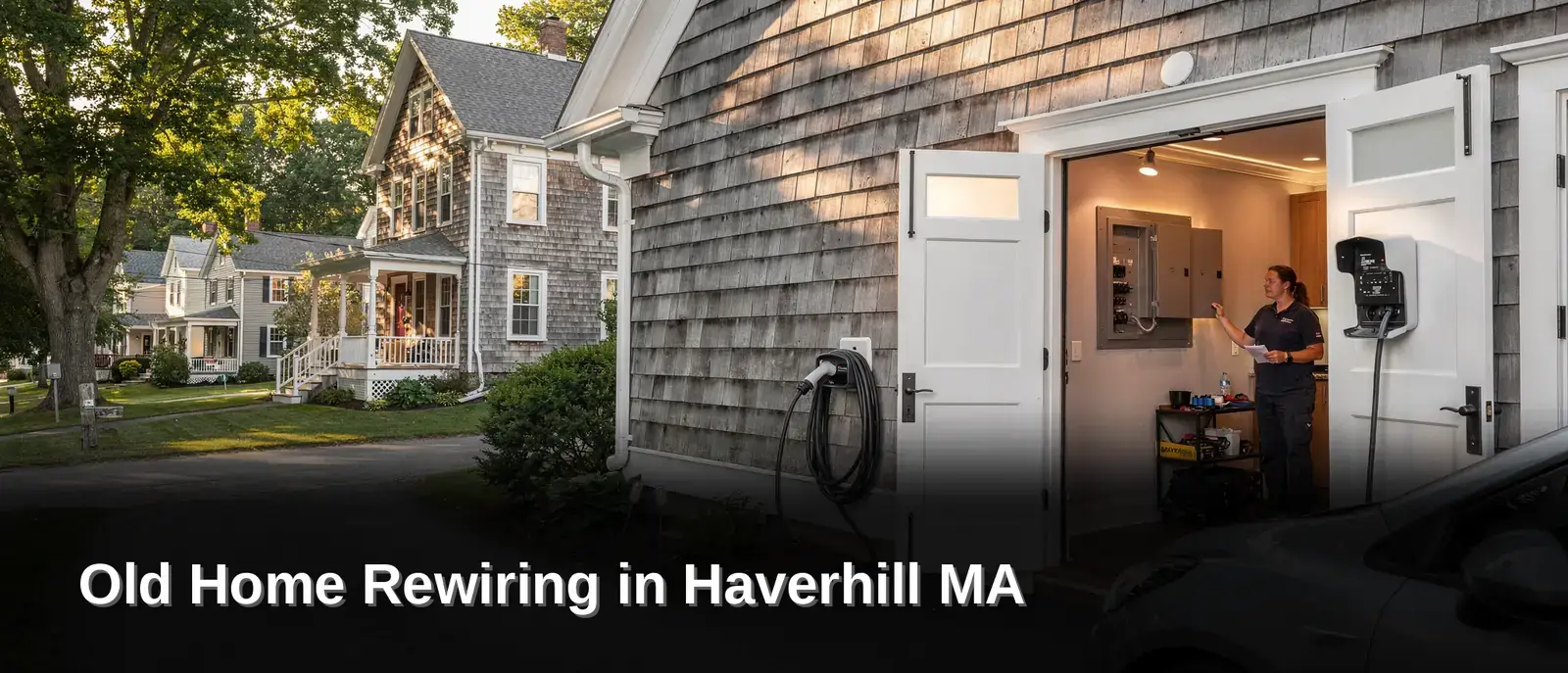
Many older homes were not built to accommodate the energy load that modern technology requires during peak summer months. Homes in the Newburyport, Exeter, and Plaistow area — as well as the Haverhill, MA area — were constructed decades ago with wiring that was never engineered for contemporary electrical demands. The gap between original design capacity and current usage is where panel stress originates.
What Appliances Most Commonly Trigger an Overloaded Panel in Summer?
High-draw appliances operating concurrently are the primary cause of circuit breaker trips. Running an oven, microwave, and supplemental cooling devices at the same time pushes circuits past their rated limits.
- Air conditioning units draw sustained high amperage throughout the day
- Kitchen appliances such as ovens and microwaves spike demand during meal preparation
- Entertainment systems and charging devices add continuous background load
The signs of an overloaded electrical panel include frequent breaker trips, flickering lights when appliances activate, and warm or discolored panel covers. Recognizing how to tell if your electrical panel is overloaded — or determining is my electrical panel overloaded — begins with observing whether breakers trip repeatedly under normal summer usage patterns. These are the clearest signs you need an electrical panel upgrade before conditions worsen.
What Dangers Does a Persistently Overloaded Panel Create?
An overloaded electrical panel — a breaker box pushed beyond its designed capacity. Creates conditions that directly threaten both property and personal safety. Electrical problems are the leading cause of house fires in the United States, with an average of 46,700 homes burning down annually between 2015 and 2019.
Beyond fire risk, a panel operating beyond capacity damages sensitive electronics. Computers, televisions, and similar devices suffer direct harm when the electrical system delivers inconsistent or degraded power. The financial and practical losses compound quickly when high-value equipment fails alongside structural damage.
Is My Electrical Panel Overloaded — and Does It Pose a Fire Risk?
Recognizing the signs of an overloaded electrical panel early is the most reliable way to prevent catastrophic outcomes. Breakers exist specifically to protect wiring from excess current. Repeated tripping signals a deeper systemic problem rather than a one-time anomaly. Dismissing frequent trips as minor nuisances allows underlying hazards to escalate unchecked.
The following conditions indicate that understanding how to tell if your electrical panel is overloaded has moved from a theoretical concern to an urgent practical one:
- Frequent breaker trips on circuits serving high-draw appliances
- Flickering or dimming lights when multiple devices operate simultaneously
- Warm or discolored outlets and panels, indicating heat buildup in wiring
- Burning odors near the breaker box or wall outlets
Homeowners asking how do I know if my electrical panel is overloaded or is my electrical panel overloaded should treat any combination of these conditions as actionable evidence. The signs you need an electrical panel upgrade are measurable and observable. Moore Electric Inc. delivers code-compliant panel upgrades across New Hampshire, Massachusetts, and Maine, with permits filed and inspections passed on every installation.
What Signs Indicate You Need a Panel Upgrade?
Signs you need an electrical panel upgrade include frequent breaker trips, dimming lights when appliances activate, and the presence of outdated panel equipment. Ignoring these warning signs puts sensitive electronics and structural safety at risk, as electrical problems rank among the leading causes of residential fires in the United States.
Signs of an overloaded electrical panel typically fall into two categories: behavioral symptoms and equipment-based red flags. Behavioral symptoms appear during normal household operation. Equipment-based red flags relate to the age and type of the panel itself.
Common warning signs include:
- Breakers that trip repeatedly, particularly when high-draw appliances such as ovens or air conditioners are running
- Lights that flicker or dim when a refrigerator cycles on or a microwave operates
- A fuse-box system still in service, which lacks the capacity and safety features of modern breaker panels
- Federal Pacific or Zinsco panels installed in the home, both of which are candidates for replacement with modern 200-amp service
How do I know if my electrical panel is overloaded?
How to tell if your electrical panel is overloaded begins with understanding what a breaker trip means. A circuit breaker is a safety device that shuts off electricity flow when more power is drawn through a wire than the wire can safely handle. Overloaded circuits are the most common cause of frequent trips, especially when high-draw appliances are involved.
Is my electrical panel overloaded if breakers trip only occasionally?
Is my electrical panel overloaded after a single trip? Not necessarily — isolated trips are normal. However, repeated trips on the same circuit signal that total demand consistently exceeds the panel’s designed capacity, which warrants professional assessment. How do I know if my electrical panel is overloaded with certainty? A licensed Master Electrician evaluates amperage capacity against actual household load to deliver a definitive answer.
Recognizing the warning signs of an overloaded electrical panel before summer demand peaks is a matter of safety, not convenience. Tripped breakers, flickering lights, warm outlets, and burning odors are not minor inconveniences. They are measurable indicators of a system operating beyond its design capacity. Addressing these conditions promptly through a qualified, licensed electrical contractor protects the structure, its occupants. The integrity of every connected system. A properly evaluated and upgraded panel delivers reliable performance throughout the season and well beyond.
FAQ
What are the most common signs of an overloaded electrical panel?
Frequent breaker trips, flickering or dimming lights, warm or discolored panels. Persistent burning odors near the breaker box all indicate the system operates beyond its design limits.
Does a breaker that keeps tripping mean my panel is overloaded?
Regular tripping confirms the panel detects demand beyond circuit capacity. It is a protective response, not a malfunction, and signals a capacity deficiency requiring professional evaluation.
Who handles overloaded electrical panel issues at Moore Electric Inc.?
Moore Electric Inc. is a licensed Master Electrician service located in Plaistow, New Hampshire, with a team of 4 employees ready to assess electrical panel warning signs before damage or fire risk escalates.
Ready to Protect Your Home's Electrical System?
If your panel is showing any of the warning signs covered in this article — frequent breaker trips, flickering lights, warm outlets, or burning odors — professional assessment is the safest next step. Moore Electric Inc. serves homeowners across New Hampshire, Massachusetts, and Maine with licensed, code-compliant panel evaluations and upgrades.
Contact Moore Electric Inc. today to schedule an assessment and ensure your electrical system is ready to handle modern demand safely.