Post-Winter Electrical Inspection Checklist for New Hampshire Homes
As winter fades and spring arrives, homeowners in New Hampshire must turn their attention to the condition of their electrical systems. The harsh winter can take a toll on various components, making it essential to conduct a thorough inspection. This article provides a comprehensive checklist for homeowners to ensure their electrical systems are safe and functional after the winter months. By following this guide, you will learn what to inspect, why these checks are important, and how to address any issues that may arise. The upcoming sections will cover the spring electrical inspection checklist and common electrical issues that may occur after winter.
Spring Electrical Inspection Checklist
Conducting a spring electrical inspection is crucial for maintaining the safety and efficiency of your home’s electrical system. Here are the key areas to focus on during your inspection:
Emphasizing the critical role of proactive measures, research consistently highlights the importance of regular electrical maintenance and inspection for overall safety.
Electrical Safety: Maintenance & Inspection Best Practices
Regular maintenance and inspection play a pivotal role in the field of electrical safety by presenting the electrical risks regarding best practices and recommendations for reducing electrical hazards.
Electrical safety in solar home systems for off-grid refrigeration in developing countries: an assessment of best practices and recommendations, AP Coimbra, 2025
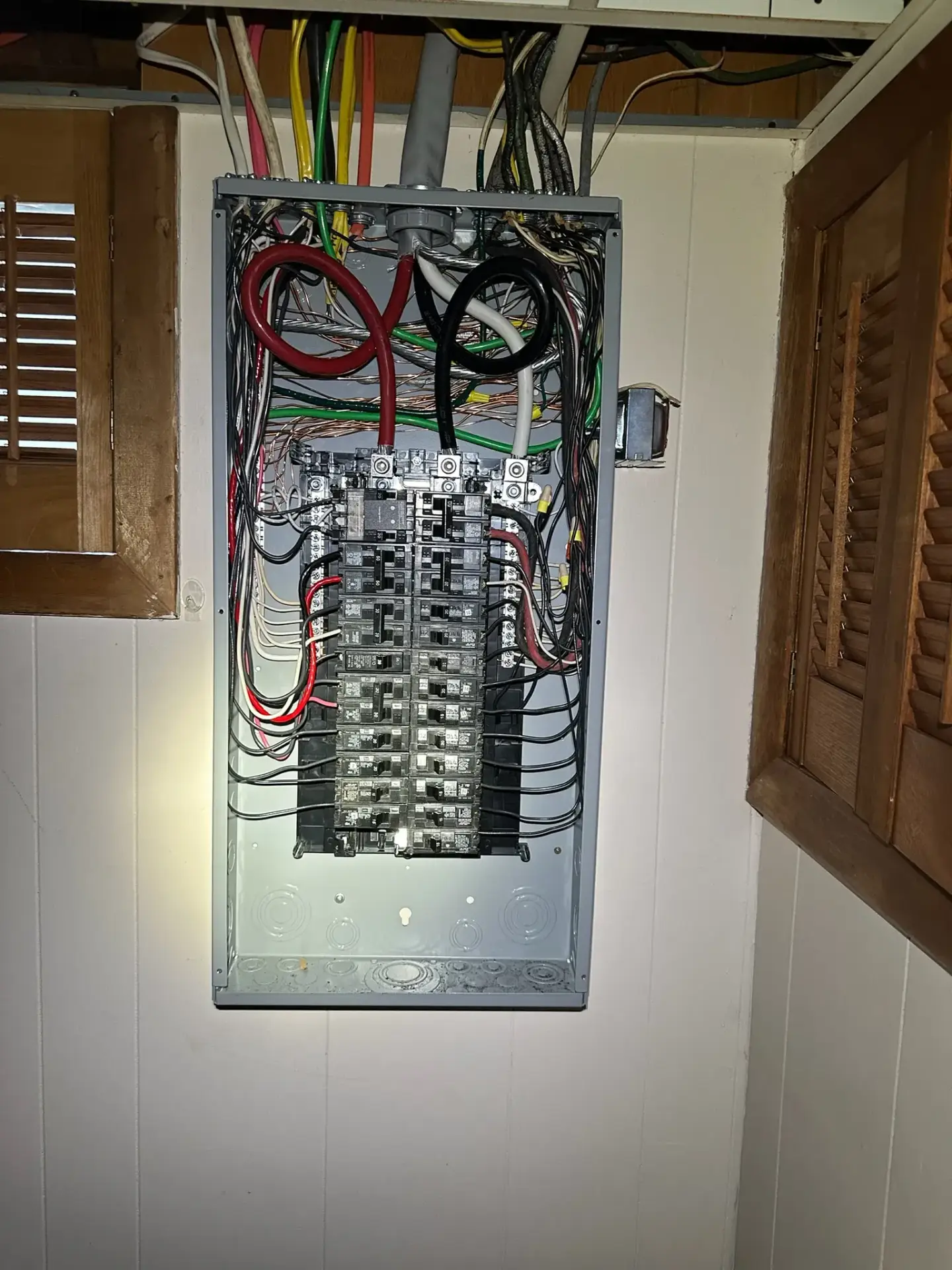
- Inspect Electrical Panels for Damage: Check for any signs of rust, corrosion, or water damage that may have occurred during the winter months. A damaged electrical panel can lead to serious safety hazards. For upgrades or repairs, consider professional electrical panel upgrades and electrical repairs.
- Check Outdoor Outlets for Safety: Ensure that all outdoor outlets are functioning properly and are protected from moisture. This is particularly important for outlets used for holiday lights or outdoor equipment.
- Test GFCI Outlets: Ground Fault Circuit Interrupter (GFCI) outlets should be tested regularly to ensure they are working correctly. These outlets are essential for preventing electrical shocks in wet areas.
For homeowners looking for professional assistance, Moore Electric Inc offers a range of electrical services, including inspections and repairs, to ensure your home is safe and up to code.
How to Inspect Electrical Panels After Winter
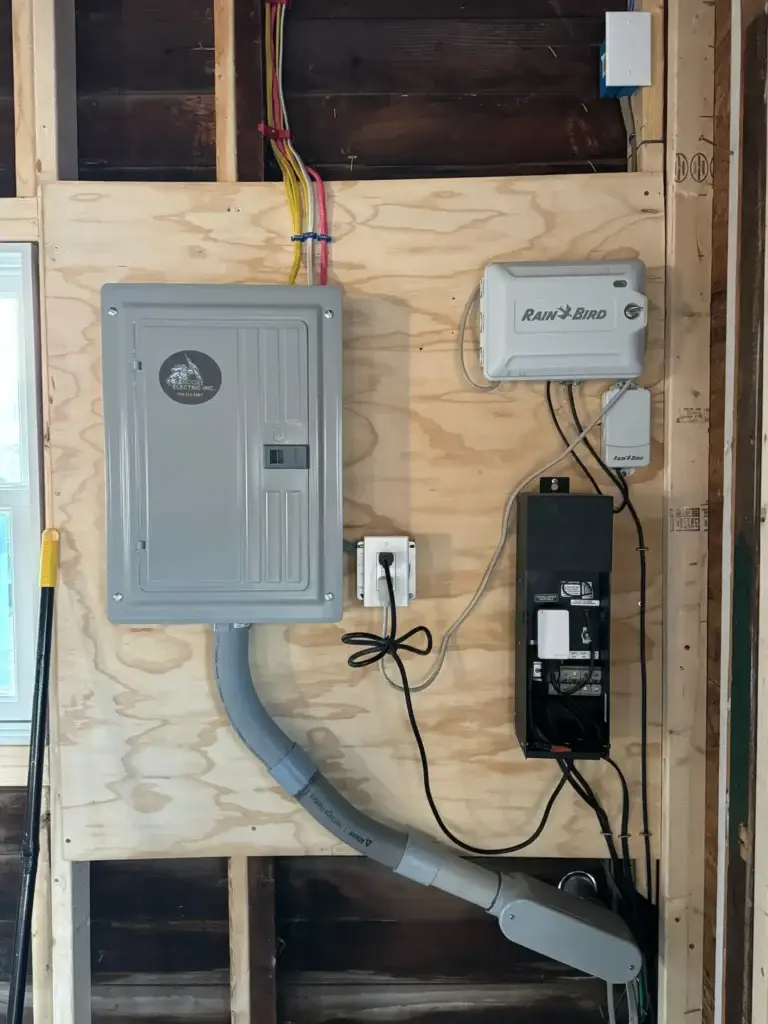
Inspecting electrical panels involves checking for visible signs of damage, such as rust or corrosion. Additionally, ensure that all connections are secure and that there are no exposed wires. If you notice any issues, it is advisable to contact a licensed electrician for further evaluation and repairs. Services such as electrical rewiring and electrical service upgrades may be necessary depending on the condition of your system.
Importance of Checking Outdoor Outlets
Outdoor outlets are often exposed to the elements, making them susceptible to damage. Inspecting these outlets ensures that they are safe to use and can prevent potential electrical hazards. If you find any issues, consider having them repaired or replaced by a professional.
Testing GFCI Outlets
To test a GFCI outlet, simply press the “Test” button, which should cause the outlet to trip. Then, press the “Reset” button to restore power. Regular testing of these outlets is crucial, especially after winter, to ensure they function correctly when needed.
Common Electrical Issues After Winter
After a harsh winter, several common electrical issues may arise that homeowners should be aware of. Understanding these problems can help you take proactive measures to address them.
- Signs of Water Damage: Water intrusion can lead to significant electrical hazards. Look for discoloration or moisture around outlets and fixtures.
- Corrosion on Electrical Components: Moisture can cause corrosion on wires and connections, leading to poor conductivity and potential failures.
- Increased Risk of Electrical Fires: Damaged wiring or components can increase the risk of electrical fires. Regular inspections can help identify and mitigate these risks.
Addressing these issues promptly can prevent more severe problems down the line. If you suspect any electrical issues, it is best to consult with a licensed electrician to ensure safety and compliance with local codes.
Identifying Water Damage
Water damage can manifest in various ways, including visible stains or dampness around electrical fixtures. If you notice any signs of water damage, it is crucial to address the source of the moisture and have the affected electrical components inspected.
Recognizing Corrosion
Corrosion can occur on electrical connections and components, especially in areas with high humidity. Regular inspections can help identify corrosion early, allowing for timely repairs and replacements.
Further research delves into advanced methods for identifying specific issues like poor electrical contacts, which can often stem from corrosion or other winter-related damage.
Detecting Poor Electrical Contacts in Residential Buildings
The previously developed new method for detecting poor electrical contacts in low-voltage electrical installations characterised by the TN protection system has been validated by field measurements performed in residential buildings.
A new method for the detection of poor electrical contacts in low-voltage electrical installations characterised by the TN protection system–field validation in residential …, N Hadziefendic, 2020
Understanding Fire Risks
Electrical fires can be devastating, and understanding the risks associated with damaged wiring is essential. Homeowners should be vigilant about inspecting their electrical systems, especially after winter, to ensure everything is in good working order.
Different aspects of electrical inspections can be compared to understand their importance better.
| Inspection Area | Key Focus | Importance |
|---|---|---|
| Electrical Panels | Damage and corrosion | Prevents safety hazards |
| Outdoor Outlets | Functionality and moisture protection | Ensures safe outdoor use |
| GFCI Outlets | Proper operation | Protects against electrical shocks |
This table highlights the critical areas of focus during a spring electrical inspection, emphasizing the importance of each aspect in maintaining a safe home environment.
By following this spring electrical checklist, homeowners in New Hampshire can ensure their electrical systems are safe and functional after a harsh winter. Regular inspections and maintenance can prevent potential hazards and ensure peace of mind as you enjoy the warmer months ahead.
For those considering new construction or renovations, it’s essential to ensure electrical systems are up to code. Moore Electric Inc. provides comprehensive electrical services for new construction projects, ensuring safety and efficiency from the ground up.
Many homeowners are also looking to upgrade their kitchens and bathrooms with modern electrical solutions. If you’re planning a remodel, consider the benefits of professional kitchen and bath electrical services to enhance functionality and aesthetics.
With the rise of electric vehicles, having a reliable charging station at home is becoming increasingly important. EV charger installation ensures you can conveniently charge your vehicle overnight, ready for your next journey.
Need Electrical Services? Get in Touch with Moore Electric Inc.
If you require professional electrical services or have any concerns about your home’s electrical system, don’t hesitate to reach out. Our experienced team is ready to assist with inspections, repairs, upgrades, and installations to keep your home safe and efficient.