The Complete Homeowner's Guide to Electrical Panel Upgrades in New Hampshire & Massachusetts
Electrical panel upgrades are essential for modern homes in New Hampshire and Massachusetts, ensuring safety, efficiency, and compliance with current electrical standards. Older panels may struggle to handle increased electrical loads from today’s appliances and devices, making upgrades crucial for homeowners. In this guide, we will explore the importance of electrical panel upgrades, relevant regulations, the upgrade process, available options, and cost considerations. You’ll learn the signs indicating an upgrade is needed, the impact of updated electrical codes, and how to prepare for an upgrade, including coordination with electric vehicle (EV) charger installations.
Importance of Electrical Panel Upgrades
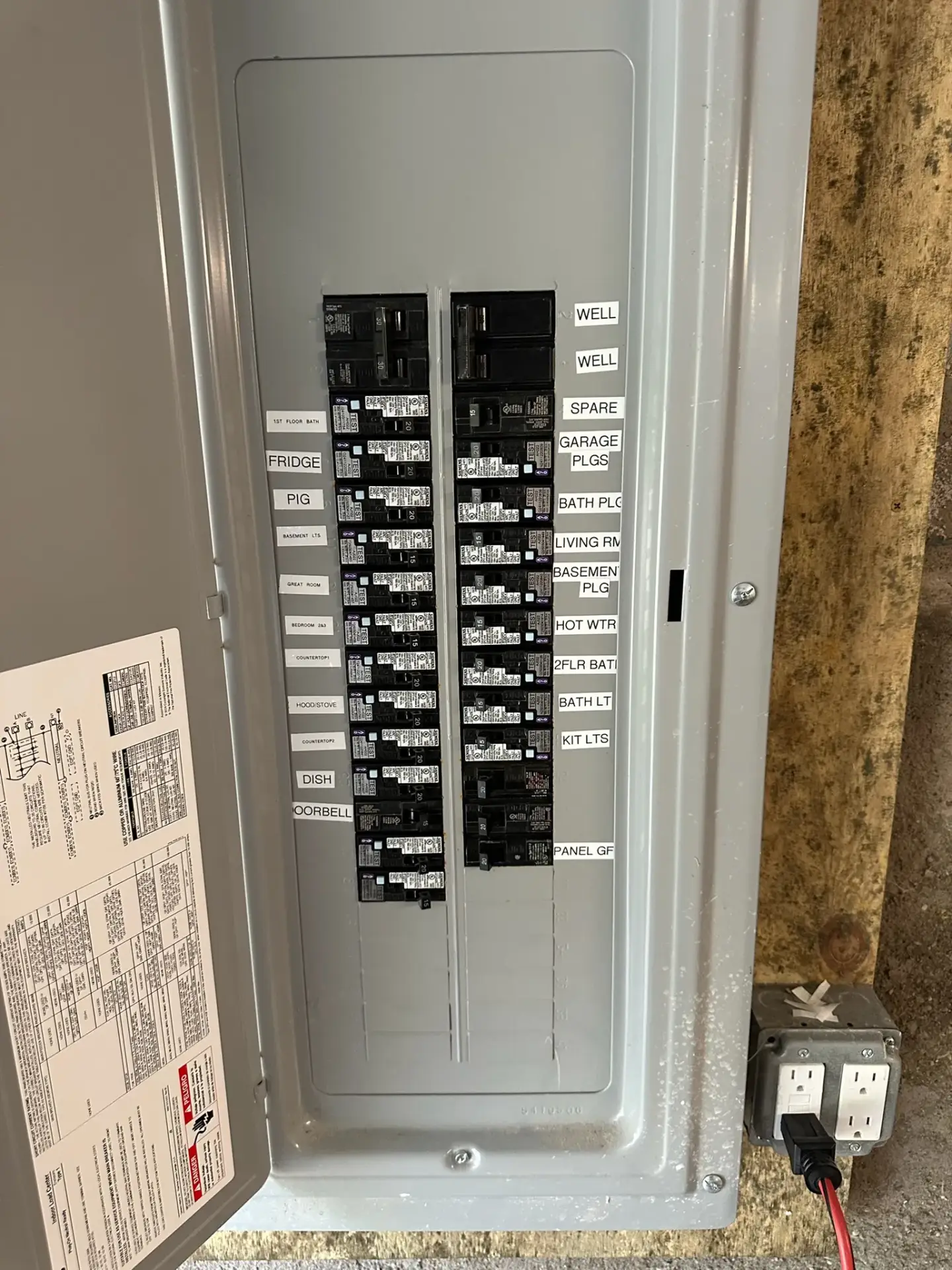
Electrical panel upgrades are vital for maintaining safety and functionality in homes. As energy demands increase, modern electrical systems require upgraded panels to handle higher capacities efficiently. This ensures that homeowners can use multiple devices without risking overloads, which can lead to dangerous electrical fires. Newer panels are designed to provide better protection, with features such as improved circuit breakers that enhance safety. Thus, upgrading electrical panels not only meets the current technological demands but also offers peace of mind regarding safety.
Relevant Regulations in New Hampshire and Massachusetts
When planning an electrical panel upgrade, homeowners must consider local regulations to ensure compliance. Key aspects include:
- Permit Requirements: Homeowners need to secure necessary permits before beginning any electrical work, ensuring that all installations meet local codes.
- National Electrical Code (NEC) Compliance: Upgrades must adhere to the NEC, which sets standards for safe electrical installations.
- Inspection Schedules: Post-installation inspections are often required to verify that the upgrade abides by safety standards and regulations.
Understanding these regulations early helps facilitate a smoother upgrade process.
Massachusetts Electrical Code Upgrades & Compliance Savings
by homes built in communities with stretch codes as well as savings from upgrades to the state code and increased compliance with and code officials addressing code compliance, and Savings from Codes and Standards Activities: Developing an Evaluation Mechanism in Massachusetts
Steps Involved in the Upgrade Process
The process of upgrading an electrical panel involves several critical steps:
- Contact Local Authorities: Begin by consulting local building authorities regarding permit requirements and regulations.
- Submit Plans: Prepare and submit upgrade plans that detail the proposed work for approval.
- Schedule Inspections: Any necessary inspections should be scheduled according to local guidelines after components are installed.
These steps ensure that the upgrade proceeds legally and safely.
Options Available for Homeowners
Homeowners have various options when it comes to electrical panel upgrades. Key considerations include:
- Choice of Panel Type: Depending on energy needs, homeowners may choose between different panel capacities, including options such as 200-Amp Panel Upgrades or more robust systems for higher demands.
- Federal Pacific Panel Replacements: These panels are often considered for replacement due to safety concerns associated with older models.
- Subpanel Installations: Installing a subpanel can be an effective solution for distributing electrical loads across larger homes or adding circuits for appliances.
Each option has unique benefits, and the right choice depends on a homeowner’s specific needs.
When Should You Upgrade Your Electrical Panel in NH and MA?
Certain signs indicate that it may be time to upgrade your electrical panel:
- Overloads: If circuit breakers frequently trip, this may signal that the panel cannot cope with current electrical demands.
- Outdated Panels: Older panels, especially those over 25 years old, may not meet modern safety standards.
- Increased Demand: New appliances or significant changes to electrical systems often require an upgraded panel to provide adequate power.
Recognizing these indicators can help homeowners maintain safe and functional electrical systems in their homes.
Understanding Electrical Panel Upgrades: A Comprehensive Guide
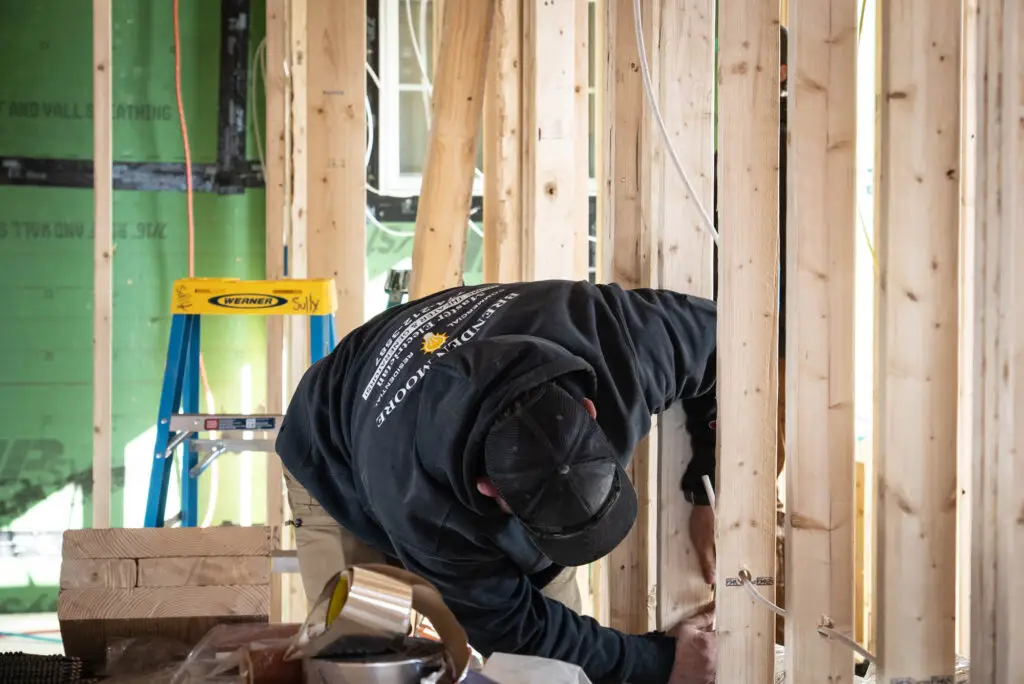
Updated electrical codes significantly impact the timing and necessity of electrical panel upgrades. As codes evolve, they often include stricter safety standards. Homeowners must ensure that their panels comply with these updates to avoid penalties or safety liabilities. Timely upgrades not only help meet compliance but are also crucial in maintaining insurance coverage and ensuring the safety of electrical installations.
Massachusetts Energy Code Updates & Household Compliance
At the household level, improved code compliance has been by Massachusetts utilities, involve conducting analyses and developing policy proposals for updates to the energy code.
Utility Energy Code Programs and Their Potential Extension to Building Performance Standards, M Waite, 2024
What Does Upgrading Your Circuit Breaker Panel Involve?
The process of upgrading a circuit breaker panel entails several considerations:
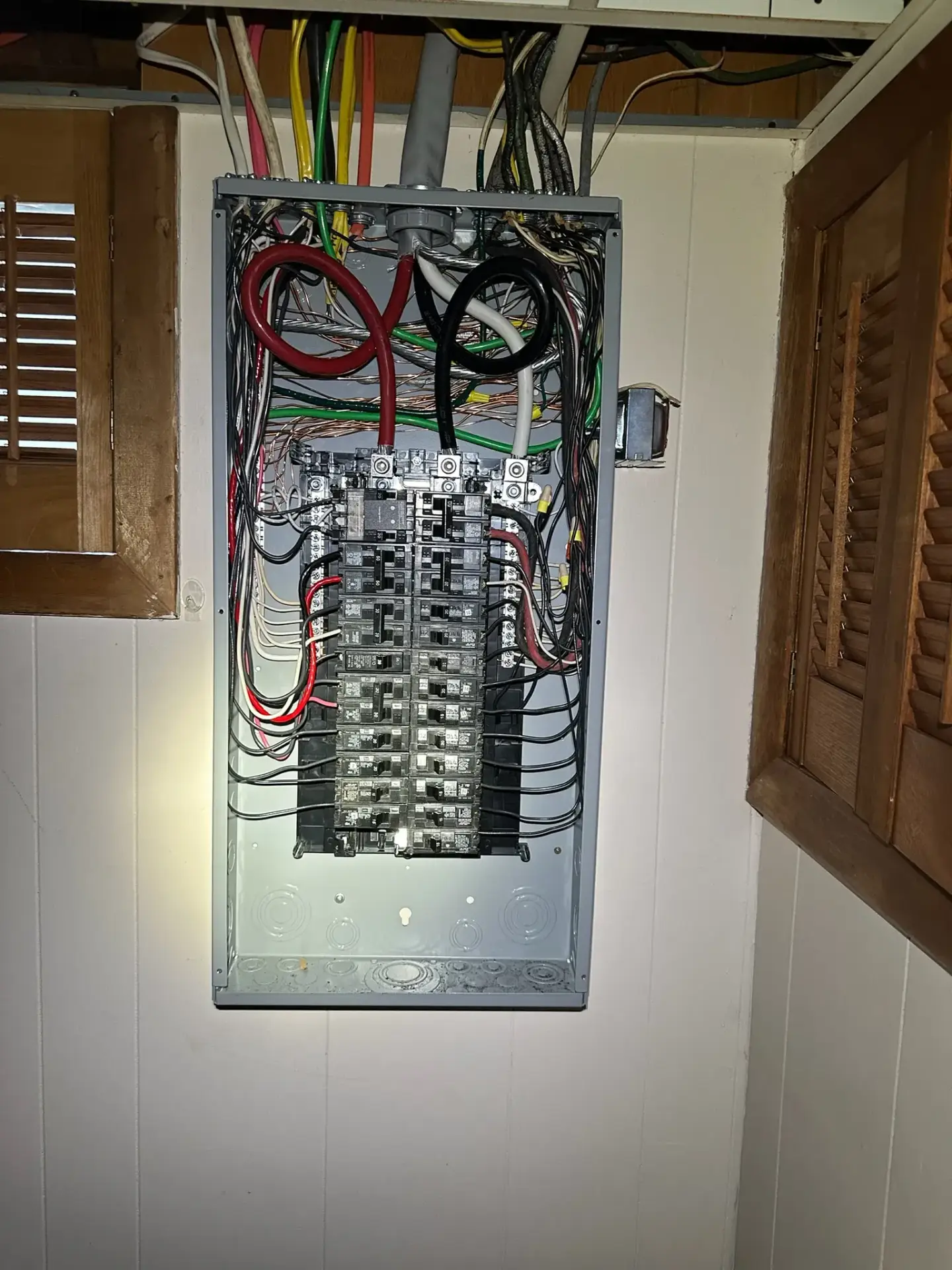
- Assessment Steps: A licensed electrician will assess the existing panel and determine the appropriate upgrade requirements.
- Planning and Permitting: Proper planning, along with obtaining necessary permits, is crucial to ensure the work complies with local regulations.
- Installation Procedures: Professional installation involves disconnecting the old panel, installing the new one, and ensuring all connections are secure and up to code.
Properly handling these steps ensures that the upgrade is performed safely and efficiently.
What Are the Safety Benefits of Modern Massachusetts Home Electrical Upgrades?
Modern electrical upgrades provide numerous safety benefits including:
- Enhanced Circuit Protection: New panels feature advanced circuit breakers that reduce the risk of electrical faults.
- Increased Safety Features: Modern designs incorporate better technology and materials that improve overall safety.
- Protection Against Electrical Fires: Upgrading reduces the chances of overloads, which can lead to fires.
These benefits make upgrading a wise investment for long-term safety in homes.
How Much Does an Electrical Panel Upgrade Cost in New Hampshire and Massachusetts?
The costs for upgrading vary significantly based on numerous factors:
- Basic Replacement: Starts at approximately $2,000.
- 200-Amp Upgrade: Begins around $3,500.
- Comprehensive Heavy-Up Service: Starting from $5,000.
Note: Actual costs may vary depending on the scope of work and specific home requirements. It’s essential for homeowners to budget accordingly and consider seeking expert quotes to compare pricing accurately. Moore Electric Inc can assist in providing precise estimates based on specific homeowner requirements.
What Financing Options Are Available for Electrical Panel Replacement NH?
Homeowners seeking to finance their electrical panel replacement have several options available:
- Federal Energy-Efficient Improvement Credits: Tax credits for energy-efficient improvements can offset costs.
- State-Specific Rebates: Various programs may offer rebates for eligible upgrades.
- Financing Arrangements with Contractors: Many service providers offer flexible financing options to help homeowners manage upgrade costs.
Exploring these financing avenues can help alleviate financial burdens and encourage timely safety upgrades.
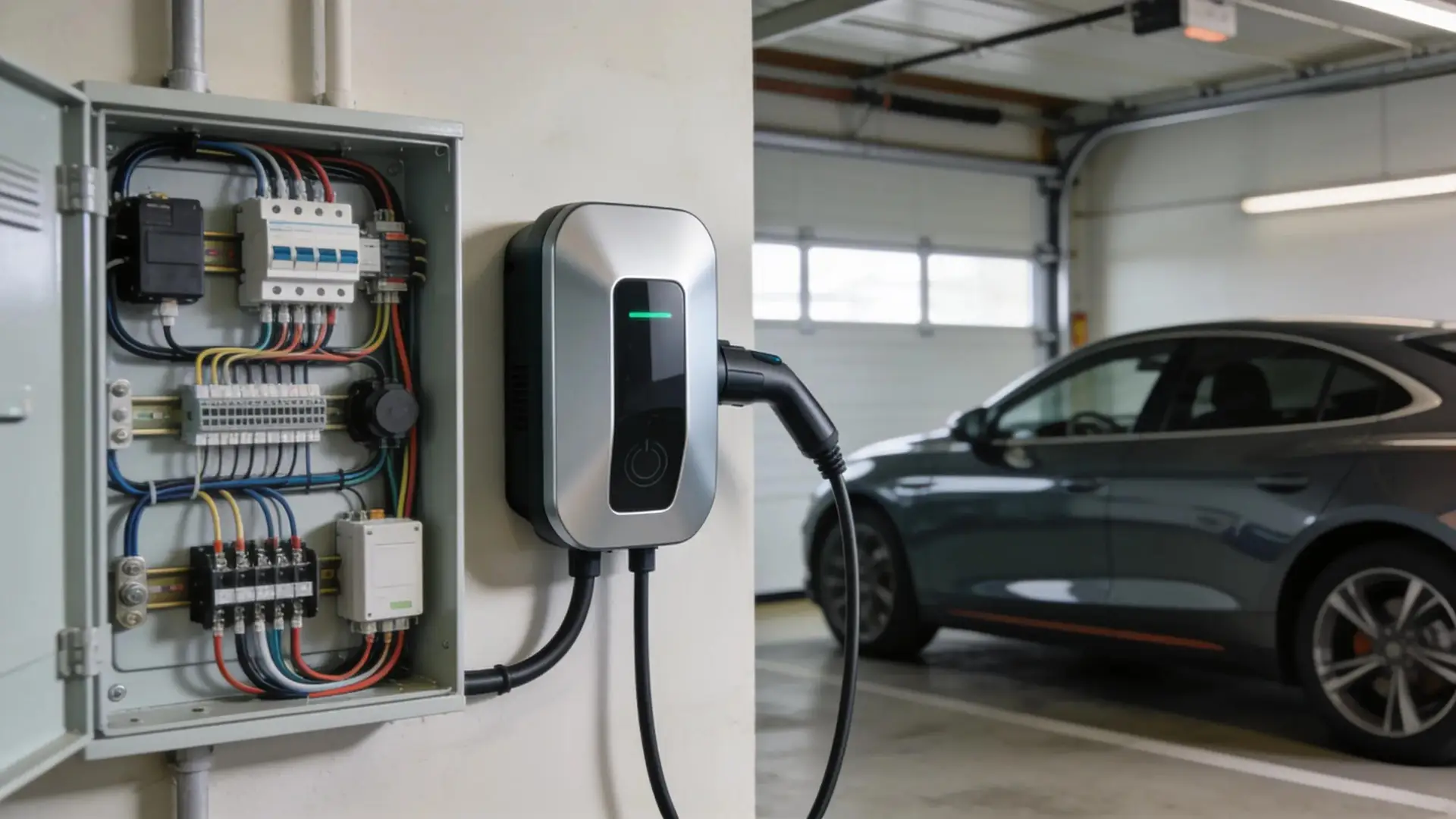
How to Prepare for an Electrical Panel Upgrade and Coordinate with EV Charger Installation?
Proper preparation for an electrical panel upgrade is essential, particularly if homeowners plan to install an EV charger concurrently. Key preparation steps include:
- Contact Local Authority: Engage with local authorities to understand requirements and codes.
- Plan Submission: Prepare necessary documentation for proposed upgrades.
- Schedule Inspections: Ensure that inspections are included in the timeline for verifying compliance with codes.
By following these steps, homeowners can streamline the upgrade process and ensure compliance.
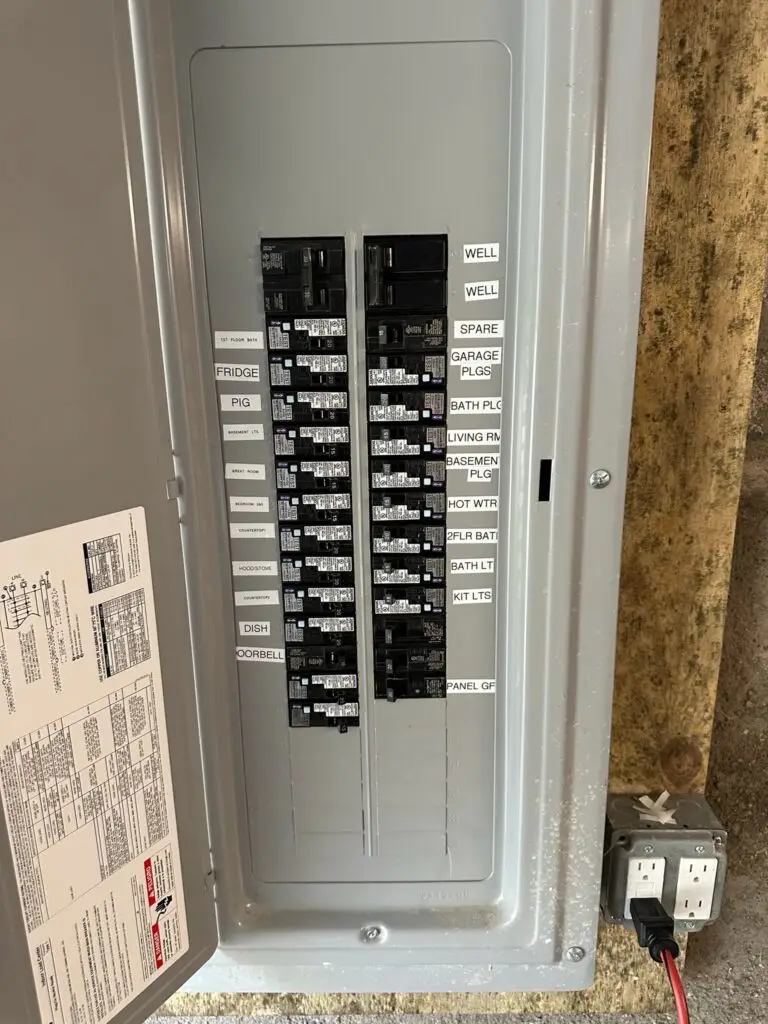
How Does Upgrading Your Panel Support Safe EV Charger Installation?
Upgrading an electrical panel is integral to supporting the safe installation of EV chargers. Key considerations include:
- Increased Capacity Needs: EV chargers require substantial power, necessitating an upgraded panel to handle this demand.
- Safety Compliance: Updated panels must adhere to NEC standards, ensuring safe operation of the charger.
- Future Electrical Needs: Upgrading prepares the home for additional electric loads, enhancing long-term functionality.
These costs can vary significantly, underscoring the importance of budgeting for potential panel updates when planning EV charger installations.
Costs of Electrical Panel Upgrades for EV Chargers
At the same time, residential customers face uncertainty around the costs of installing Level 2 (L2) chargers, including the potential expense of updating electric panels. Split incentives VIA ELECTRONIC FILING, 2025
In summary, homeowners in New Hampshire and Massachusetts should prioritize electrical panel upgrades to ensure safety, compliance, and reliability in their electrical systems. By understanding the importance, regulations, and cost implications, homeowners can make informed decisions regarding necessary upgrades.
Contact Moore Electric Inc
If you are in New Hampshire or Massachusetts and considering an electrical panel upgrade, Moore Electric Inc is here to help. For expert advice, detailed estimates, and professional installation services, please visit our Contact Page to get in touch.