Replacing Fuse Boxes with Modern Panels: Comprehensive Guide to Upgrade, Safety, and Costs
Upgrading from outdated fuse boxes to modern circuit breaker panels is a critical step for enhancing electrical safety and efficiency in any home or business. This process not only ensures compliance with current safety standards but also offers many operational advantages, including better load management and reduced risk of electrical fire. In this comprehensive guide, readers will learn about the differences between fuse boxes and modern panels, signs indicating an upgrade is necessary, the upgrade process itself, as well as costs and financing options involved. By addressing these key areas, this article provides valuable insights into how a simple upgrade can significantly improve electrical performance and safety in buildings.
What Are the Key Differences Between Fuse Boxes and Modern Circuit Breaker Panels?
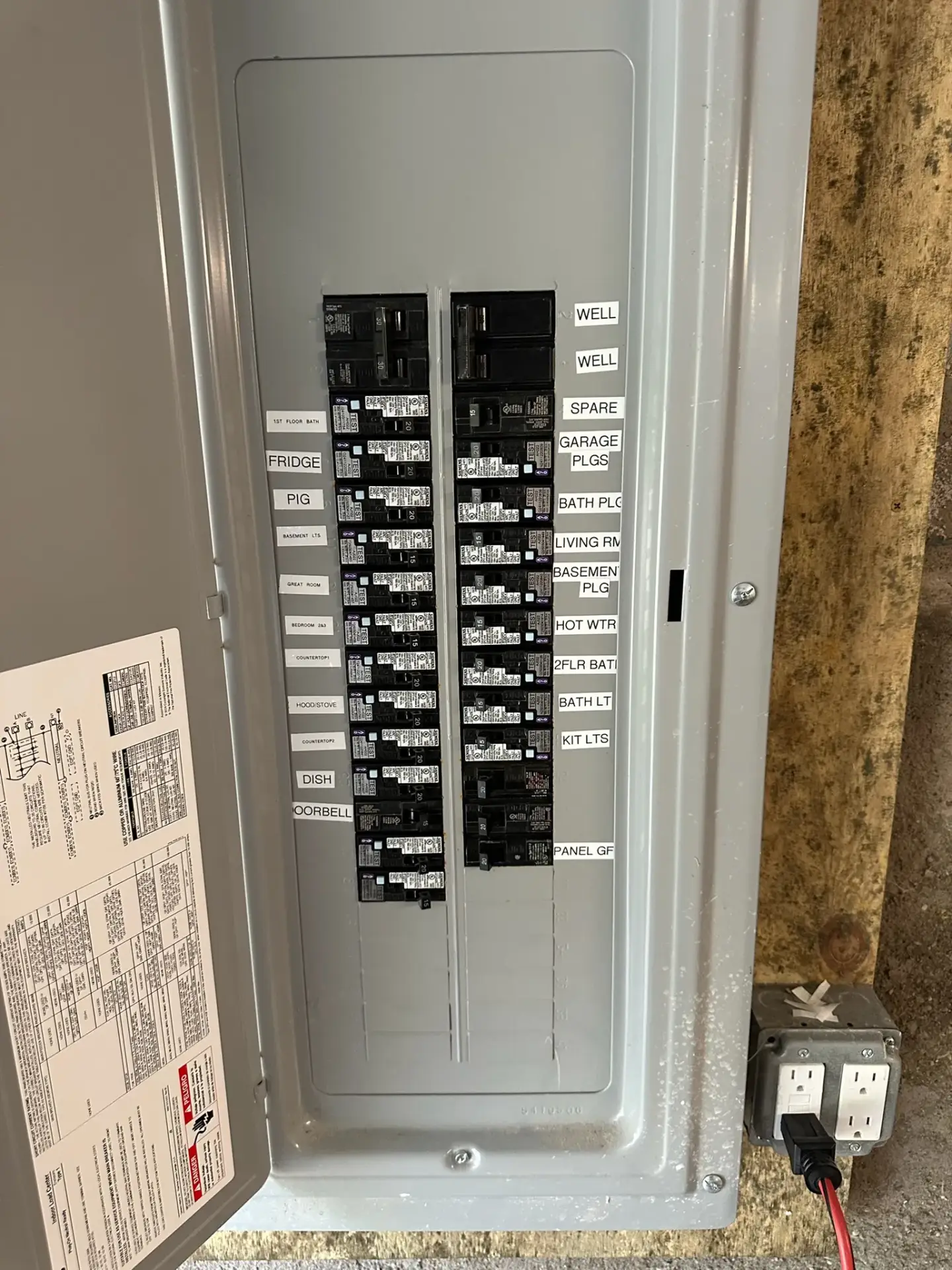
When considering electrical systems, understanding the distinctions between fuse boxes and modern circuit breaker panels is vital. Fuse boxes use fuses to prevent overload; when a fuse blows, it needs to be replaced, which can be inconvenient. In contrast, modern circuit breaker panels automatically shut off power to a circuit when an overload occurs, allowing for easier reset and restoration of service. This functionality not only enhances safety but also improves reliability, making breaker panels preferable in today’s electrical landscape.
How Do Fuse Boxes and Breaker Panels Function in Electrical Distribution?
Fuse boxes operate by using fusible links that melt when excessive current flows through, effectively interrupting the circuit. This process protects wiring from overheating and potential fire hazards. Conversely, circuit breaker panels utilize electromagnetic switches or thermal-magnetic mechanisms, which trip to interrupt the flow of electricity in response to overload or short circuits, offering a more dynamic response to electrical issues. This mechanism ensures a safer distribution of electricity and greatly simplifies user interactions during outages.
What Are the Advantages of Circuit Breaker Panels Over Traditional Fuse Boxes?
Circuit breaker panels present several advantages over traditional fuse boxes. They provide enhanced safety features that are designed to automatically disconnect in a fault condition, reducing fire risk. Additionally, modern panels are easier to reset than replacing blown fuses, allowing for minimal downtime when electrical issues arise. Lastly, the cost-effectiveness of circuit breakers can save money over time due to reduced maintenance needs and the lack of replacement fuses.
What Are the Primary Signs That Indicate a Fuse Box Needs Replacement?
Recognizing when a fuse box needs replacement is crucial in maintaining electrical safety. Key indicators include frequent blown fuses, an aging system, or flickering and inconsistent power supply. Homeowners should be particularly vigilant if the electrical system is over 30 years old, as many older systems do not meet modern safety standards.
For those experiencing repeated issues, it might be a strong signal to consider an upgrade. A reliable electrical service can help assess the situation and recommend the best course of action.
How Do Electrical Safety Standards and Inspection Codes Influence Upgrade Decisions?
Electrical safety standards and inspection codes play a significant role in the decision to upgrade electrical systems. These codes are established to ensure safety and efficiency in electrical installations. Regular inspections that may indicate outdated wiring, inadequate circuit capacity, or improper fusing can necessitate immediate upgrades to comply with local regulations. This compliance not only enhances safety but can also be mandated under local building laws, emphasizing the importance of maintaining updated electrical systems.
What Are Common Risks Associated with Outdated Fuse Boxes?
Using an outdated fuse box can pose several risks. Frequent blown fuses, overheating wires, and the inability to handle modern electrical loads can lead to potential hazards such as electrical fires. Not adhering to current safety codes may also result in legal ramifications and increased insurance premiums. Updating to modern circuit breaker panels mitigates these risks and ensures compliance with safety standards, safeguarding both property and residents.
Upgrading to Modern Panels: A Guide for Homeowners and Business
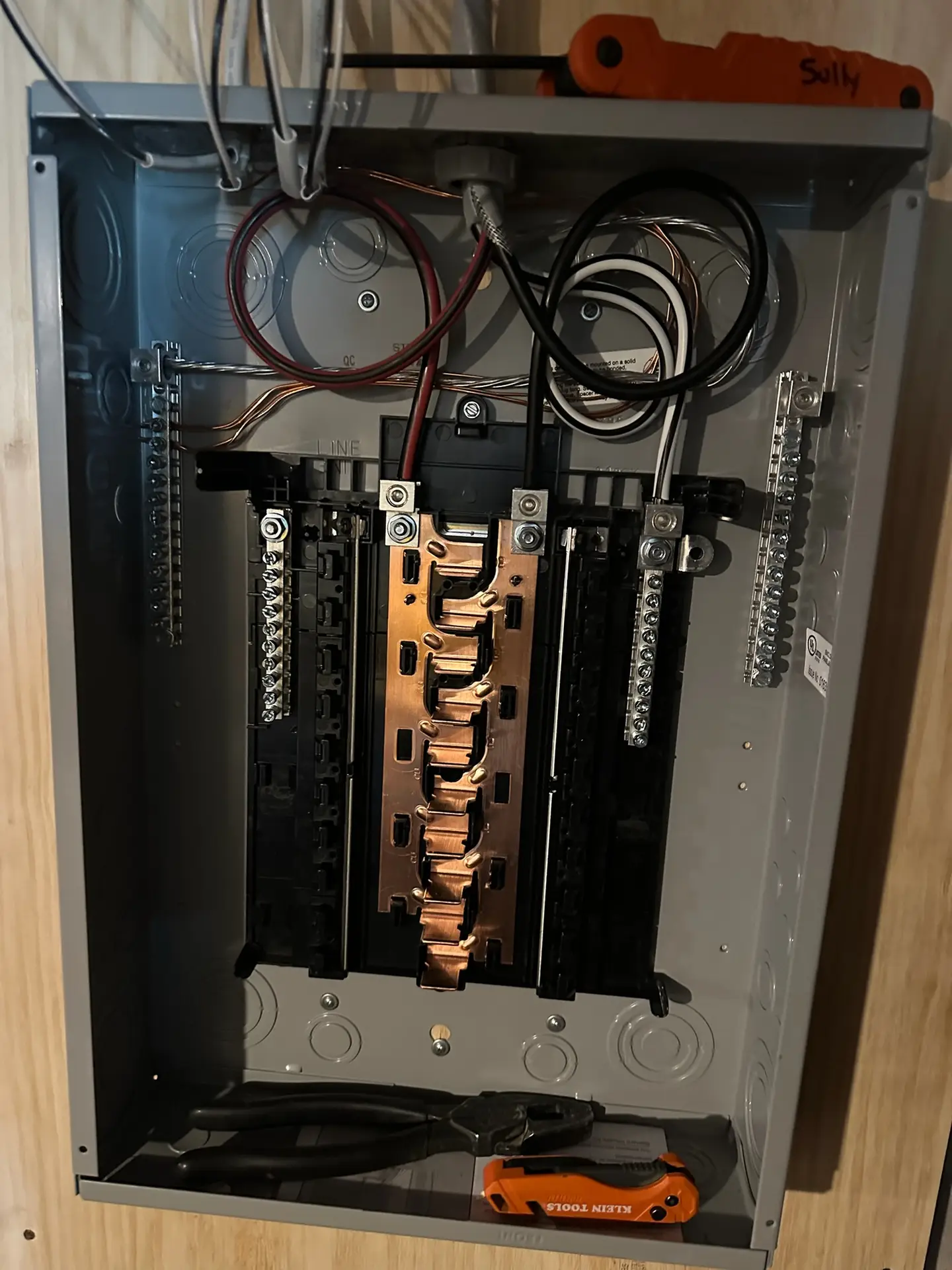
The upgrade process from a fuse box to a modern circuit breaker panel involves several key steps. Initially, a licensed electrician will assess the existing electrical system’s condition before recommending a suitable replacement panel. The installation typically includes removing the old fuse box, updating wiring as necessary, and ensuring that the new breaker panel meets all load capacity requirements.
Conducting this process requires careful attention to safety protocols and may include disconnecting power and coordinating with electrical utilities.
What Are the Required Steps and Licensed Electrician Roles During Installation?
During the installation of a modern circuit breaker panel, licensed electricians take on specific roles to ensure a successful upgrade. They will first section off the work area, disconnect power, and ensure the safety of all involved. Following this, they will remove the old fuse box, carefully assess wiring, and install the new circuit breaker panel following local codes. After installation, they perform rigorous testing to confirm system functionality and safety compliance.
Which Tools and Safety Measures Are Essential for Electrical Panel Replacement?
Electrical panel replacement necessitates a variety of tools and safety measures to prevent accidents. Essential tools include:
- Voltage Tester: To ensure no live wires are present before work begins.
- Screwdrivers and Wrenches: For securing panels and connections.
- Wire Strippers: Important for prepping electrical wire connections.
- Protective Gear: Such as gloves and goggles to prevent electrical shock or eye injury.
Utilizing the appropriate tools and following safety measures guarantees an efficient and secure installation.
What Are the Cost Factors and Financing Options for Fuse Box Upgrades?
When planning an electrical panel upgrade, several cost factors come into play. Material costs for the new breaker panel, labor fees, and any additional wiring or permit expenses must be considered. Understanding each of these components helps homeowners establish a realistic budget for their upgrade.
How Do Material and Labor Costs Influence Modern Panel Replacement Budgets?
Material costs vary depending on the specifications of the circuit breaker panel chosen. High-quality panels may range in price from $100 to over $500, affecting overall project costs. Labor costs for installation typically include the electrician’s hourly rates and can fluctuate based on your location’s market conditions. It’s essential to balance these factors within a budget to ensure the best quality of installation without overspending.
What Financing Solutions Are Available for Electrical Panel Safety Upgrades?
Several financing solutions can assist homeowners in managing the costs of electrical panel upgrades. Options may include:
- Home Improvement Loans: Special loans designed to fund necessary upgrades and renovations.
- Credit Financing: Credit cards or lines of credit can be utilized for immediate funding.
- Government Rebates: Some regions offer rebates or incentives for upgrading to energy-efficient systems.
By exploring these options, homeowners can find suitable funding avenues that align with their financial capacity.
How to Choose the Right Modern Electrical Panel for Your Home or Business?
Selecting the best modern electrical panel requires consideration of various features to meet the specific demands of a home or business. Evaluating panel capacity, safety ratings, and smart features can significantly influence overall performance and convenience.
What Features Should Be Considered in Circuit Breaker Panel Models?
When examining circuit breaker panel models, consider the following features:
- Amperage Rating: Ensure the panel supports your electrical load requirements.
- Smart Features: Some panels offer smart monitoring capabilities for enhanced control.
- Energy Efficiency: Look for panels with energy-saving ratings to optimize power usage.
These features directly impact the efficiency and effectiveness of the electrical panel, supporting long-term operational goals.
How Do Recent Electrical Code Updates Affect Panel Selection?
Recent electrical code updates emphasize enhanced safety standards and energy efficiency. As of 2023, adhering to these updates may necessitate selecting panels that incorporate advanced safety features, such as ground fault circuit interrupters (GFCIs) and arc fault circuit interrupters (AFCIs). Failing to comply with these new codes can lead to violations during inspections, making it crucial for homeowners to be aware of current regulations.
How to Ensure Compliance and Optimal Safety After Replacing Fuse Boxes?
After installing a modern circuit breaker panel, compliance and safety checks are essential to ensure everything has been completed to standard. Documentation and inspection confirm that the installation reflects current codes and regulations.
What Are the Inspection Procedures to Confirm Code-Adherent Panel Installation?
Inspection procedures typically involve a thorough review by local electrical inspectors, who will examine the installation for proper grounding, circuit capacity, and adherence to the latest safety codes. Following installation, the electrician may provide relevant documentation detailing compliance with local regulations. This documentation is invaluable during future property assessments or resale.
How Does Upgrading Improve Long-Term Electrical Safety and Efficiency?
Upgrading to a circuit breaker panel significantly enhances long-term safety and efficiency. Modern systems are designed to handle contemporary energy demands while providing built-in protections against overloads and short circuits. The integration of advanced electrical monitoring systems allows homeowners to track energy usage, paving the way for more informed energy management decisions. Through these advancements, upgrading not only boosts safety but also promotes sustainable energy practices for the future.
Disclaimer Regarding Costs and Pricing
The costs and pricing information presented in this article are intended as general guidelines and may vary significantly based on factors such as geographic location, specific electrical requirements, contractor rates, and market conditions. Prices are subject to change without notice and do not constitute a formal quote. For an accurate estimate tailored to your situation, please consult a licensed electrician or authorized service provider.
Ready to Upgrade Your Electrical Panel?
Ensure your home or business is safe and up to code with a professional fuse box replacement. Contact us today to schedule a consultation and get expert advice tailored to your needs.
For more specific services, visit our Plaistow, NH electrician panel upgrades page or our Haverhill, MA electrician panel upgrades page for localized support.