EV Charger Maintenance, Troubleshooting & Safety: Your Complete Guide to Reliable Charging
By Brenden Moore, Moore Electric Inc.
Electric vehicles are becoming common, and so is the need to keep chargers working safely and efficiently. Knowing how to maintain and troubleshoot your EV charger not only prolongs the equipment’s life but also keeps everyone safe and charging times predictable. This guide walks through practical maintenance tips, clear troubleshooting steps, and essential safety measures to help you keep your charging setup dependable and code-compliant.
You’ll find straightforward safety advice, fixes for common charging problems, and a regular maintenance checklist. We also explain key standards like NFPA 70, what compliance looks like, and when it makes sense to call a certified professional for repairs or upgrades.
Key Safety Tips for Using Electric Vehicle Chargers
Keeping your EV charging setup safe is the foundation of reliable charging. These core safety tips help you follow electrical standards and lower the chance of accidents or equipment damage.
How to Meet Electrical Safety Standards Such as NFPA 70
Following NFPA 70 (the National Electrical Code) helps ensure your installation is safe and dependable. Important points include:
- Understand Relevant NEC Sections: Learn which NEC articles apply to EV charger installs so you know what to follow.
- Use Dedicated Circuits: Put your charger on its own circuit to prevent overloads and reduce risk.
- Perform Load Calculations: Run proper load calculations to size panels and circuits correctly for safe operation.
Sticking to these basics reduces the risk of electrical failures and fire hazards.
Preventive Steps to Avoid Electrical Hazards and Charger Failures
Simple preventive measures go a long way toward keeping chargers working safely. Consider these best practices:
- Professional Installation: Have a certified electrician install your charger to meet code and avoid mistakes.
- Routine Inspections: Check your equipment regularly so small issues don’t become major problems.
- Install GFCI and AFCI Protection: Use Ground Fault and Arc Fault protection to guard against shocks and arc-related fires.
Following these steps lowers the chance of hazards and improves long-term reliability.
How to Troubleshoot Common EV Charger Problems
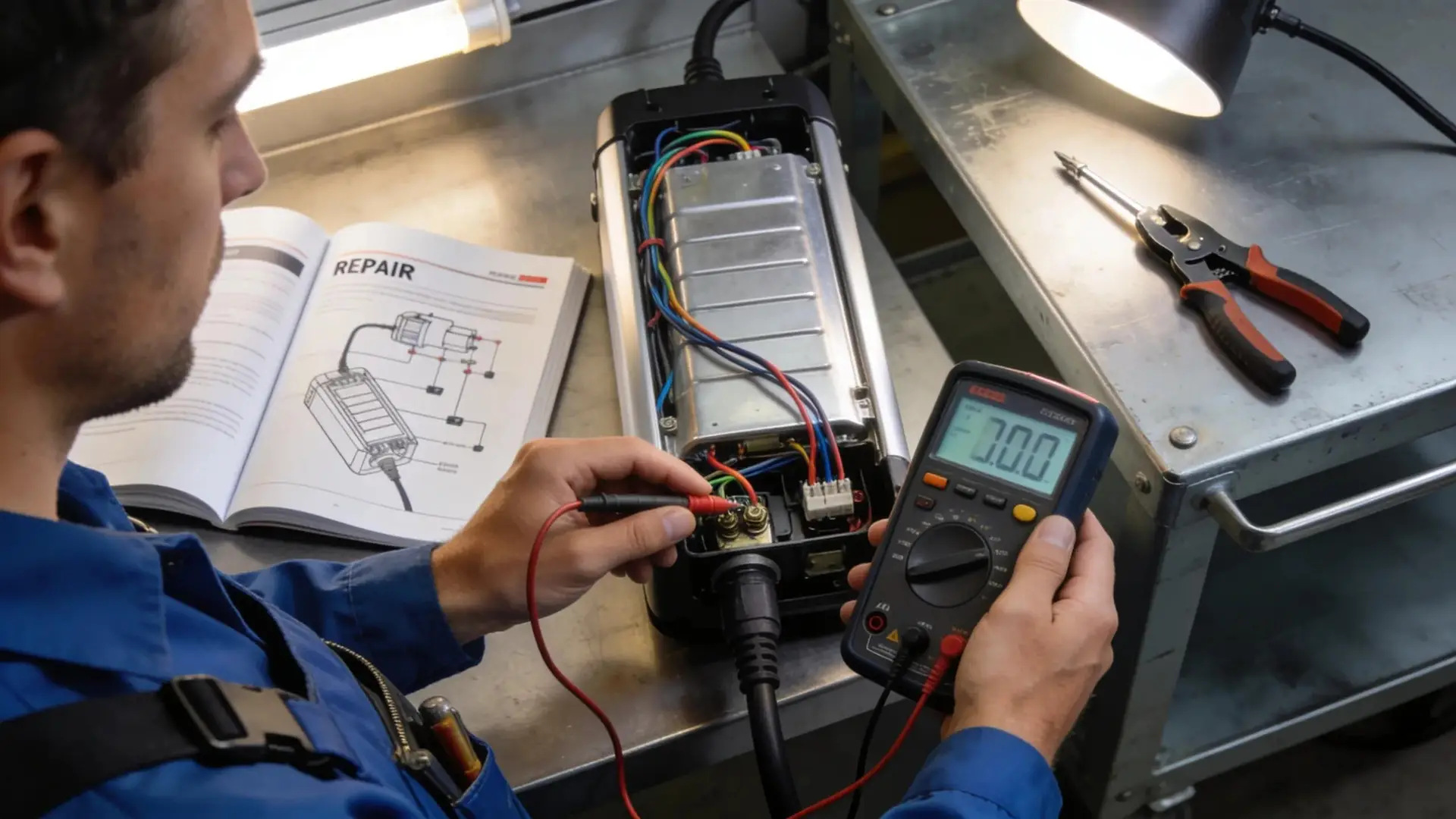
Many charger issues can be fixed quickly with a few checks. Learning the common causes and fixes helps you get back to charging faster and can save on service calls.
Step-by-Step Troubleshooting for Frequent Charger Errors
Try these steps when your charger shows errors:
- Read Error Codes: Check the user manual or manufacturer resources to interpret any displayed codes.
- Verify Connections: Confirm all plugs, terminals, and cables are secure and undamaged.
- Power-Cycle the Charger: Unplug or switch off the unit for about a minute—many minor faults clear after a reset.
If the problem continues, contact a certified electrician or the charger manufacturer for a deeper diagnosis.
When to Upgrade Your Electrical Panel for Safer EV Charging
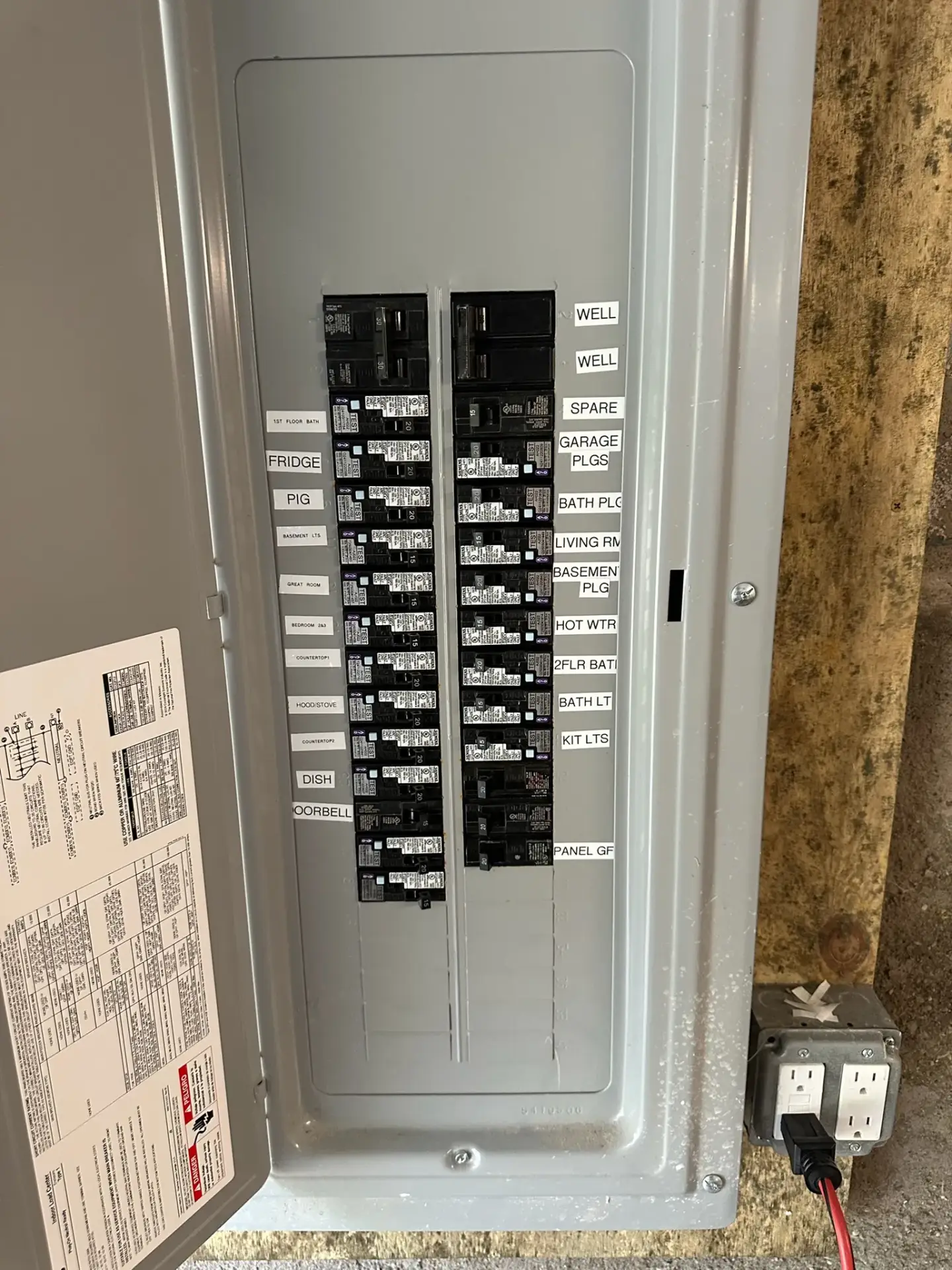
Panel upgrades are important when your home can’t reliably handle the charger’s load. Watch for these warning signs:
- Frequent Breaker Trips: Repeated trips during charging indicate the circuit is overloaded.
- Old or Undersized Panels: Older panels may lack capacity for modern EV chargers.
- Odd Electrical Behavior: Flickering lights, warm panels, or unusual sounds can signal the need for an upgrade.
Updating panels and breakers keeps your charging system stable and compliant with safety standards.
What to Include in an EV Charging Station Maintenance Checklist
A clear maintenance checklist helps you keep chargers performing well. Use it to track routine tasks and catch wear before it becomes a failure.
Routine Tasks That Prevent Failures and Extend Charger Life
Regular checks should include:
- Clean Connections: Remove dirt and corrosion from contacts to maintain good electrical contact.
- Inspect Cables: Look for cuts, fraying, or kinks that could create hazards.
- Schedule Periodic Check-Ups: Plan inspections—about every six months is a good rule—to verify overall condition.
These simple steps help you spot problems early and keep your charger working longer.
How to Safely Inspect and Test Charger Components
Follow safe procedures when testing or inspecting your charger:
- Observe Safety Protocols: Turn power off and follow lockout/tagout or basic safety steps before touching components.
- Use Proper Tools: Test voltage and continuity with a multimeter and other appropriate tools.
- Avoid Common Mistakes: Don’t touch live wires or improvise—safe testing preserves both people and equipment.
Consistent testing helps maintain performance and supports compliance with electrical codes.
How Professional EV Charger Repair Services Can Help
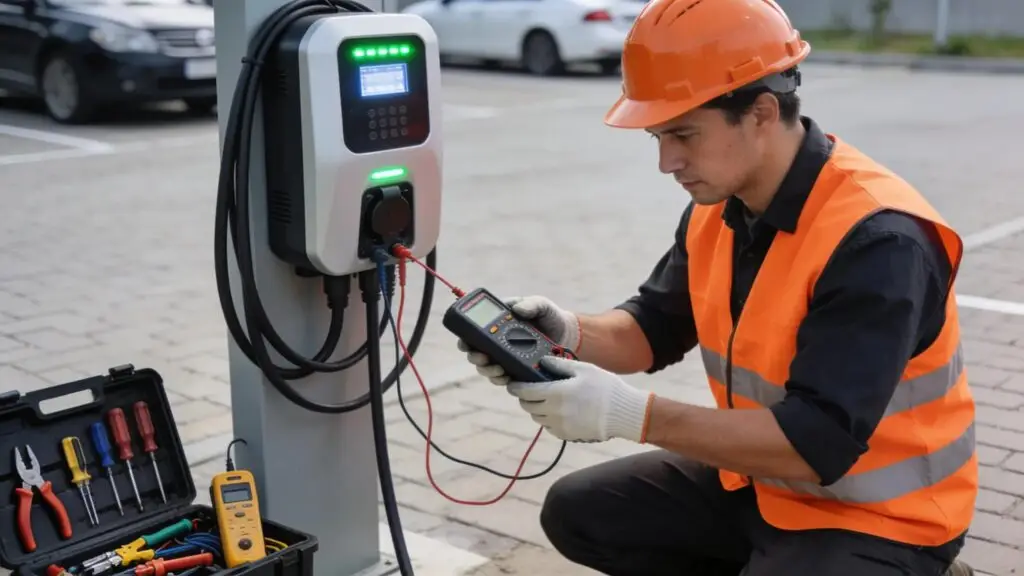
When problems go beyond simple fixes, certified electricians bring the training and tools to restore safe, reliable operation. Professional service reduces downtime and addresses complex electrical issues correctly.
Benefits of Hiring Certified Electricians for Charger Repairs
Working with licensed pros offers clear advantages:
- Trained Expertise: Technicians know how to diagnose electrical systems safely and accurately.
- Code Compliance: Professionals make sure work meets local codes and inspection requirements.
- Quality and Peace of Mind: Certified repairs reduce repeat failures and give you confidence in the installation.
Choosing a qualified electrician protects your investment and keeps your charger operating safely.
Schedule Inspections and Estimates With Moore Electrical Inc.
To book an inspection or get a service estimate from Moore Electrical Inc., call (603) 836-9513. Their team can evaluate your charger, recommend repairs or upgrades, and help keep your system running safely.
Why Electrical Safety Codes Matter for EV Charger Owners
Knowing the applicable safety codes is essential for safe installation and long-term reliability. Following code requirements helps prevent hazards and costly mistakes down the road.
How NFPA 70 and Local Codes Affect Installation and Maintenance
NFPA 70 and local regulations shape how EV charging systems should be installed and maintained. Key areas to focus on include:
- Importance of Compliance: Adhering to codes protects people and property by reducing electrical risks.
- Grounding and Bonding: Proper grounding reduces the chance of electrical faults and improves safety.
- Correct Panel and Breaker Sizing: Panels and breakers must be sized for the expected load to prevent overloads.
Understanding and following these rules prevents problems and supports safe, code-compliant operation.
Recent Updates to Electrical Safety Standards for EV Charging
Keeping up with standard updates helps you stay compliant and safe. Recent trends include:
- Higher Capacity Requirements: Standards increasingly call for greater panel capacity to support charging loads.
- Stronger Safety Measures: Ongoing enhancements aim to reduce fire and shock risks.
- Greater Compliance Emphasis: Compliance is more closely enforced to avoid hazards and penalties.
Staying informed lets you plan upgrades and maintain a safe charging setup.
Frequently Asked Questions
1. How often should I perform maintenance on my EV charger?
Do a basic check every six months—clean connections, inspect the charging cable for damage, and confirm electrical components look and operate normally. Address any alerts or odd behavior right away to avoid bigger problems and extend the life of your equipment.
2. What should I do if my EV charger shows an error code?
First, consult your charger’s manual or the manufacturer’s support site to identify the code. Try a power cycle (unplug or switch off for about a minute), and verify all connections are intact. If the error persists, contact a certified technician or the manufacturer for further diagnosis.
3. Are there specific signs that indicate my electrical panel needs an upgrade?
Yes—frequent breaker trips when charging, an old panel that can’t handle modern loads, or persistent flickering lights are common signs that an upgrade is needed. A licensed electrician can assess your panel and recommend the right solution.
4. How can I ensure my home is ready for an EV charging system?
Start with an electrical assessment to confirm you have the capacity and a dedicated circuit for the charger. A certified electrician can inspect your panel, wiring, and grounding and advise on any upgrades required for a safe installation.
5. Can I install an EV charger myself, or should I hire a professional?
While DIY installations are possible for experienced electricians, we recommend hiring a certified professional. Pros ensure installations meet local codes, reduce safety risks, and provide proper documentation for inspections and insurance.
6. What are the benefits of installing GFCI and AFCI devices with my EV charger?
GFCI devices protect against electric shock by cutting power when ground faults occur. AFCI devices detect dangerous arcing and shut the circuit down to help prevent fires. Together, they significantly improve safety for your charging circuit.
7. How do I find reliable professional EV charger repair services?
Ask for referrals from fellow EV owners, check online reviews, and verify licensing and insurance. Look for electricians with specific EV charging experience and good customer feedback to ensure competent, reliable service.
EV Charger Maintenance and Safety: A Professional Guide
Routine maintenance, sensible preventive measures, and compliance with safety codes are the best ways to keep your EV charger reliable and safe. When in doubt, bring in a certified electrician to handle repairs or upgrades. Staying proactive protects your investment and keeps your charging routine predictable and secure.