Whole-House Rewiring Guide: What to Expect During a Home Electrical Overhaul
By Brenden Moore, Moore Electric
Rewiring an entire house sounds like a massive project, and it can be. But it doesn’t have to be chaotic. When you know what the process looks like ahead of time, from the first walkthrough to the final inspection, the whole thing gets a lot less stressful.
This guide covers how whole-house rewiring works, what triggers it, how long it takes, and what homeowners should watch out for along the way.
What Does a Whole-House Rewire Actually Include?
A full rewire replaces the electrical wiring throughout the home, not just the spots giving you trouble. The scope usually covers three things: removing outdated wiring runs, installing new circuits, and updating outlets and switches where the old ones connect to wiring that’s no longer safe.
Older homes with knob-and-tube or cloth-insulated wiring typically need the full-system approach. Patching individual circuits in a house where the underlying wiring is deteriorating doesn’t fix the root problem. It just postpones it.
The goal isn’t new wire for the sake of new wire. A properly rewired home meets modern electrical demand safely, whether that means running a kitchen full of appliances, powering a home office, or charging multiple devices at once, all while meeting current code.
What Does Knob-and-Tube Replacement Look Like?
Knob-and-tube wiring is one of the most common reasons homes in New England end up needing a full rewire. This early-1900s wiring method has no ground wire, and the insulation breaks down after decades of use. It becomes brittle, cracks, and creates contact points that generate heat.
Replacement means pulling the old knob-and-tube runs out of service entirely and installing modern grounded circuits in their place. You can’t safely leave knob-and-tube partially active alongside modern wiring because the two systems have different safety characteristics. Complete replacement is the standard for good reason.
How Do You Know Your Home Needs Rewiring?
Some signs are hard to miss. Breakers that trip regularly, outlets that stop working without explanation, and lights that flicker or dim when an appliance kicks on all point to wiring that can’t keep up with what the house demands.
Other signs take a closer look to spot. Warm or discolored outlet covers suggest heat buildup behind the wall. A faint burning smell near switches or outlets is a serious warning. Visible fraying or cloth-wrapped cable in the attic or basement tells you the materials themselves have aged past their useful life.
When these problems keep coming back after individual repairs, the issue is the wiring system itself, not any single device or circuit.
Homes built before modern electrical codes carry the highest risk, especially those that haven’t had any electrical work done in 30 or 40 years. Major renovations also expose wiring problems that were hidden behind finished walls, making a rewire a practical necessity rather than something you can keep putting off.
Does an Old Panel Mean the Wiring Is Outdated Too?
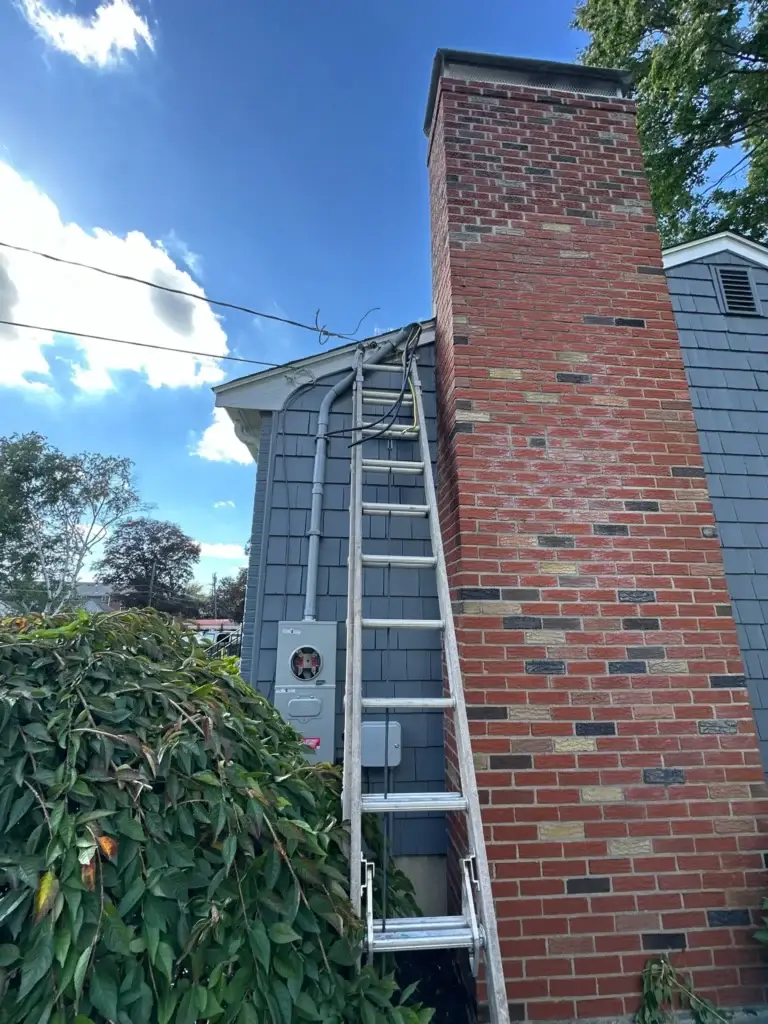
Usually, yes. An aging panel often sits at the head of aging wiring. Old fuse boxes and panels from discontinued manufacturers frequently accompany outdated wiring throughout the rest of the home.
A panel upgrade paired with a full rewire addresses both problems at once. Replacing the panel without touching the wiring behind it gives you a new front door on an old house. The panel can handle the load, but the wiring feeding each room might not carry it safely.
How Much Does a Whole-House Rewire Cost?
Cost depends on several factors, and no two houses price out the same way. The biggest variables are the square footage, the number of floors, the type of wiring being removed, and the number of circuits, outlets, and fixtures being updated.
Homes with knob-and-tube or aluminum wiring generally require more labor because removing outdated wiring runs takes longer than working with modern materials. If the panel needs upgrading alongside the rewire, that adds to the scope.
Permit and inspection requirements also factor in. Both New Hampshire and Massachusetts require electrical permits for rewiring work, and the fees vary by municipality.
The best way to avoid surprises is to get a written estimate that spells out the full scope before any work starts. That estimate should cover what’s being removed, what’s being installed, what the panel situation looks like, and what permits are required. If something changes once walls are opened, you want an electrician who calls you before adding to the bill, not after.
Does Rewiring Add Value Beyond Safety?
It does. Appraisers and buyers both view a fully updated electrical system as a real upgrade, not just a repair. A home with modern wiring, a current panel, and documented permits and inspections is worth more than one where the buyer has to wonder what’s behind the walls.
New wiring also runs more efficiently. Modern conductors have lower resistance than decades-old copper or aluminum, which can reduce energy waste over time. Combined with the safety gains, that efficiency makes a rewire an investment with returns beyond the initial cost.
How Long Does It Take to Rewire a House?
Most whole-house rewires take anywhere from a few days to two weeks, depending on the size of the home and how much structural work is involved.
The project moves through several stages. First, a walkthrough and load assessment to identify which circuits need replacement. Then permit filing with the local building department. After that, the physical work begins: removing old wiring, installing new circuits, and connecting everything to the panel. A rough-in inspection happens before walls get closed back up, and a final inspection confirms everything passes code.
Homes with plaster walls, tight attic access, or multiple additions tend to take longer because getting to the wiring is harder. Larger homes with multiple stories require more circuits, which extends the labor time.
Can a House Be Rewired Without Tearing Out All the Drywall?
In many cases, yes. Full drywall removal is not always required. Electricians can often reach wiring through attic and basement access, wall cavities, and targeted openings near outlets, switches, and junction boxes.
The approach depends on the wall construction, existing wiring paths, and how much new circuitry the home needs. Homes with open attic or basement framing below or above the rooms being rewired allow more access without cutting into finished walls.
Where openings are necessary, they’re kept small and targeted. Each one gets patched and sealed before the crew moves to the next area. Rooms with plaster walls or limited clearance above may need a few more access points than rooms with standard drywall and open framing.
Floors and furnishings get protected throughout the process, and the job site stays clean at the end of each day.
What Permits Are Required in NH and MA?
Both states require an electrical permit before any whole-house rewiring project begins. Skipping this step creates real risk. Unpermitted work can void a homeowner’s insurance claim and complicate the sale of a property later.
In New Hampshire, the permit application covers the scope of work, from circuit replacement to panel modifications, and must be signed off by a licensed electrician before the project closes out. Massachusetts follows a similar structure, with documentation of the work performed and a scheduled inspection tied to the local building code.
Your electrician should handle the permit application, coordinate with the utility company if panel work is involved, and manage inspections from start to finish. That’s part of the job.
What Mistakes Should Homeowners Avoid?
Rushing the electrician selection is the most expensive mistake homeowners make before a rewire. Once demolition starts, you lose leverage on scope, timeline, and cost. Vetting credentials and communication style beforehand matters more than comparing line-item prices.
Here’s what to watch for during planning:
Get a written scope of work, not a verbal estimate. If it’s not in writing, it doesn’t exist.
Confirm licensing and insurance before signing anything. In New Hampshire, you can verify an electrician’s license through the state’s licensing board.
Ask who will actually be on site day to day. On a project this size, you want to know who’s supervising the work and who you call when something comes up behind the walls that wasn’t in the original scope.
Don’t assume every contractor understands older wiring equally well. Rewiring a home in Plaistow with knob-and-tube is different from wiring new construction. The same goes for rewiring older homes in Haverhill, where you’re dealing with everything from colonial-era cloth wiring to mid-century aluminum branch circuits.
Get a written scope of work, not a verbal estimate. If it’s not in writing, it doesn’t exist.
Confirm licensing and insurance before signing anything. In New Hampshire, you can verify an electrician’s license through the state’s licensing board.
Ask who will actually be on site day to day. On a project this size, you want to know who’s supervising the work and who you call when something comes up behind the walls that wasn’t in the original scope.
Don’t assume every contractor understands older wiring equally well. Rewiring a home in Plaistow with knob-and-tube is different from wiring new construction. The same goes for rewiring older homes in Haverhill, where you’re dealing with everything from colonial-era cloth wiring to mid-century aluminum branch circuits.
Code violations discovered after drywall closes cost far more to fix than catching them during the initial install. Getting it right the first time is always cheaper than getting it right the second time.
Ready to find out what your home needs?
Brenden Moore is a Master Electrician with 25+ years of experience, licensed in NH, MA, and ME. He’ll walk through your home, assess the wiring and panel, and give you a clear written scope before any work starts.